trauma informed design

Autism, Nature and the Biophilia Effect

Autism, Nature and the Biophilia Effect

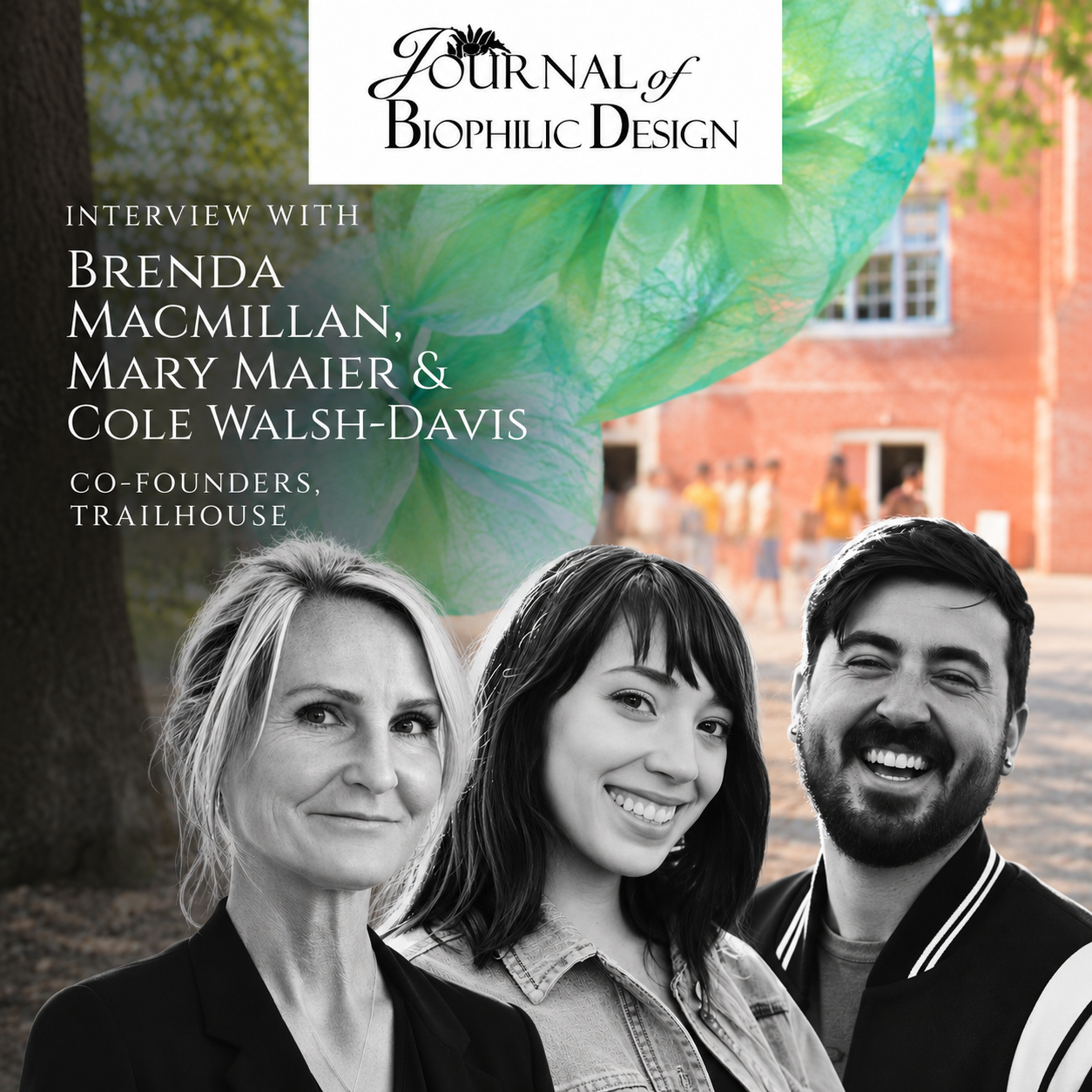
What happens when you rethink therapy through the lens of biophilic design? In the United States, a group of parents and practitioners have created TrailHouse: a nature-connected therapeutic environment where children can feel safe, explore their world and, most importantly, be themselves.


For Cole Walsh-Davis, Mary Maier and Brenda MacMillan, that realisation came through their own experiences of raising neurodivergent children and working with families. Despite their combined knowledge and experience, they struggled to find a therapeutic environment that reflected what they knew human beings needed to feel safe, connected and able to flourish. So, rather than accept the limitations of existing provision, they decided to create something themselves.
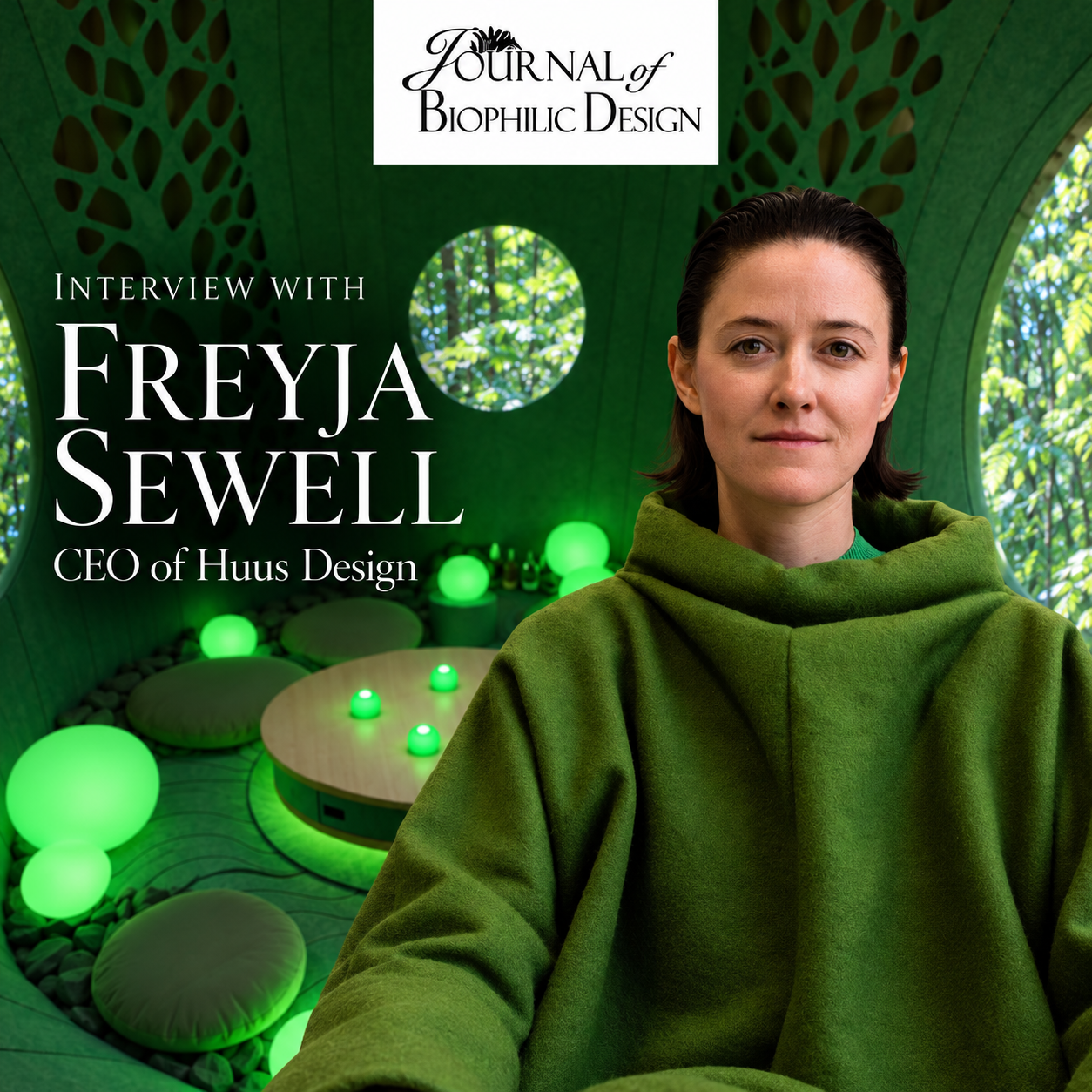
Mindful Designing - Freyja Sewell on Biophilia, Neurodiversity and Positive Futures

 Mindful Designing  - Freyja Sewell on Biophilia, Neurodiversity and Positive Futures

There are many places where we can feel an overwhelm, for some of us, the overwhelm can be, well, overwhelming and trying to find somewhere to recalibrate can be difficult. 

So how can design help us feel safe, connected and able to participate in the world? Designer and interdisciplinary artist Freyja Sewell begins with nature, sensory experience and a willingness to imagine things differently.

As a neurodivergent designer herself, Freyja is founder of HUUS Design, where she brings together art, technology, nature and sensory design to create gorgeous woven soft felt pods and other products including digital capability to help create environments that support human experience better. Her work is also woven by an ambition to make positive futures tangible.

Designing for How We Feel - Robert Hopkins on Biophilic Architecture

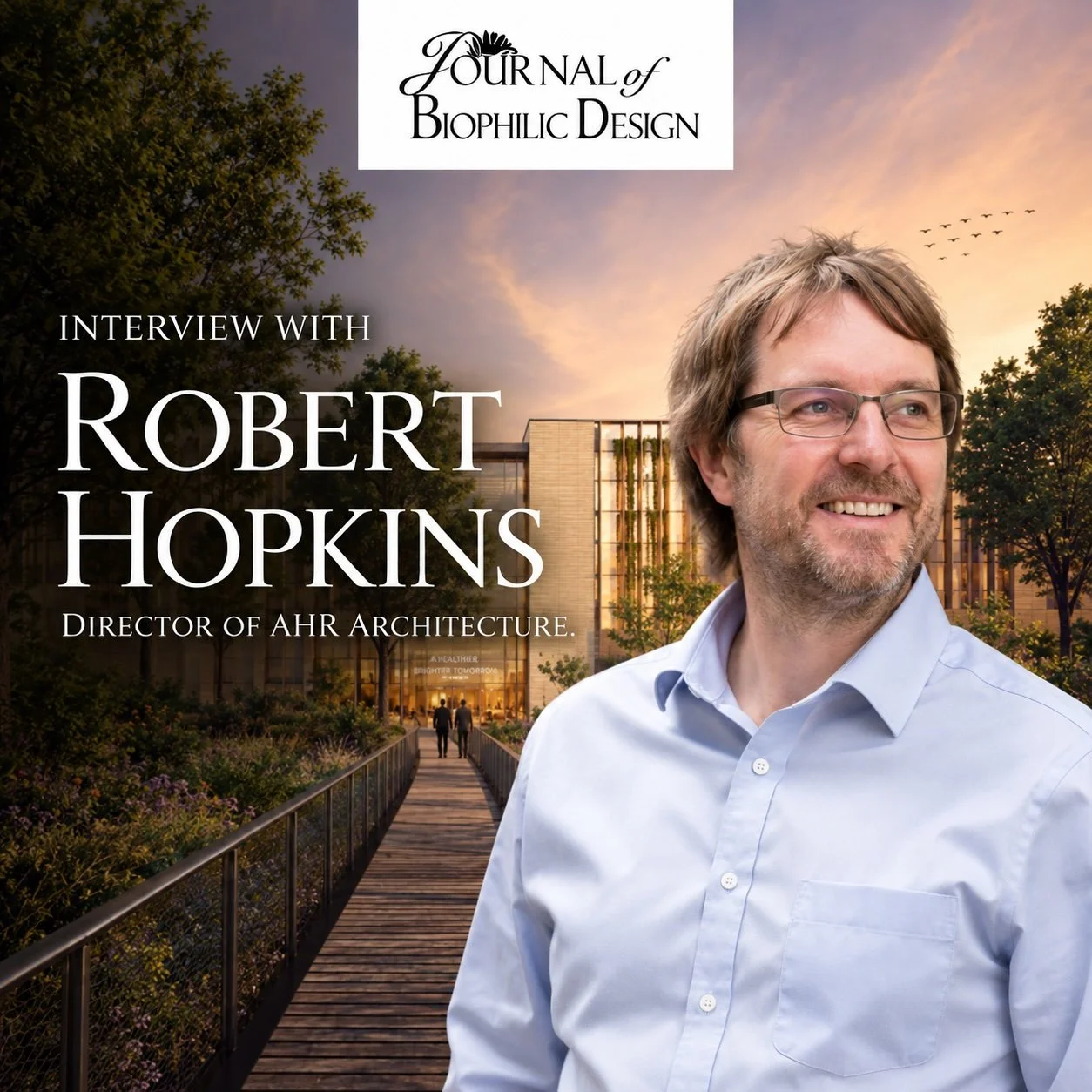
 Designing for How We Feel -  Robert Hopkins on Biophilic Architecture

What happens when architecture is designed around how people feel, not simply how buildings perform? Robert Hopkins, architect and sustainability leader at AHR, joins the Journal of Biophilic Design podcast to explore the thinking behind landmark projects including The Spine, Thrive Health and Wellbeing Centre and the Daphne Steele Building. From trauma-informed design and evidence-based decision making to materials, air quality, nature, choice and collaboration, Robert shares how small decisions can transform how people experience a place. His advice? “Don’t chase points” — focus on the why. Listen to the conversation and discover why, for Robert, great architecture might ultimately be about helping people be nice to one another. WATCH THE INTERVIEW