Biophilic News
Reports, opinion pieces, events, thought leadership. If you want to submit an article for publication contact us.
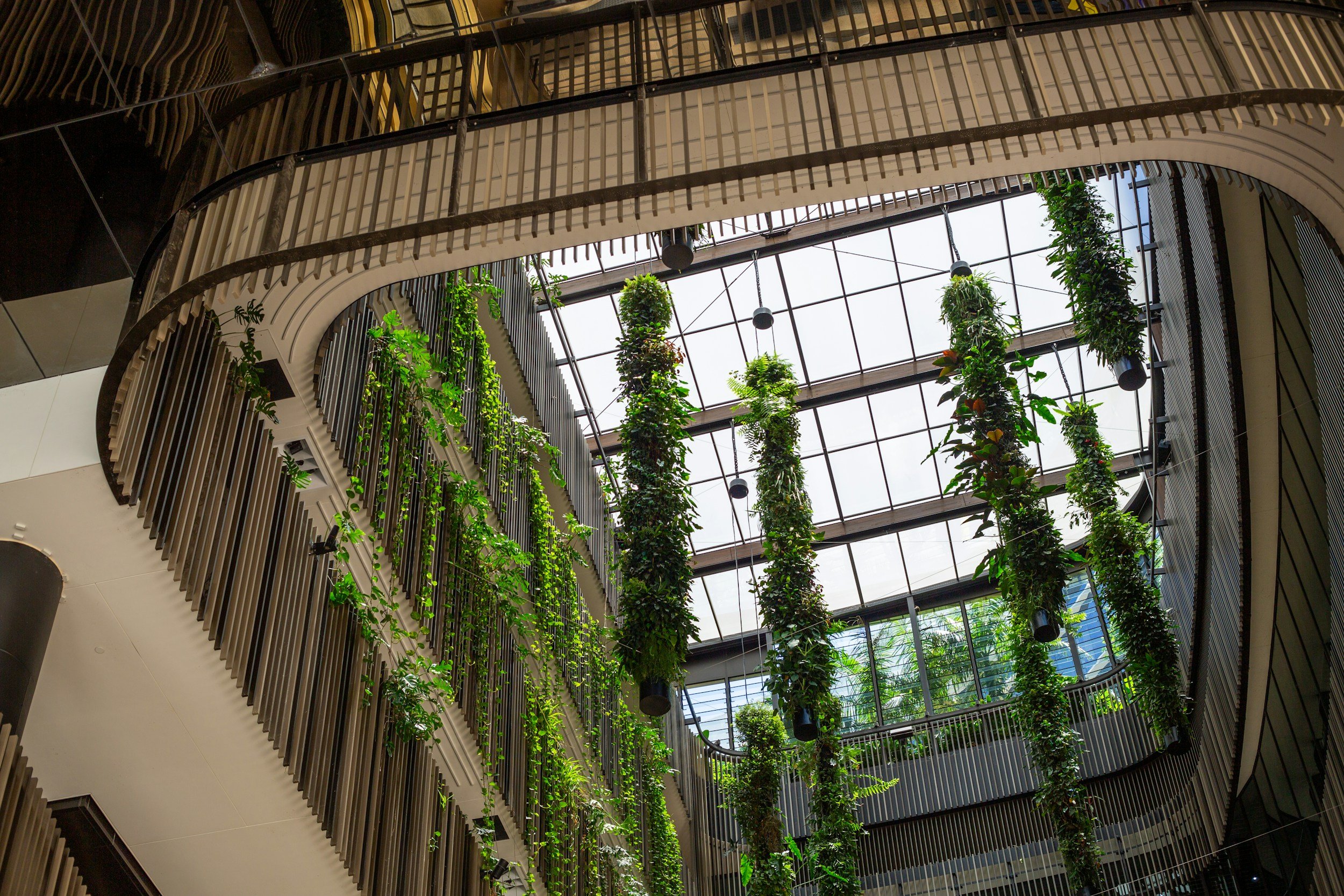
The transition to a circular built environment requires more than better recycling. It means rethinking how we value existing buildings, use materials and design for the future.
What if the most sustainable building material is the one we already have? And what if the greatest opportunity for creating more resilient buildings and cities lies not in what we construct next, but in what we choose to retain?
These questions were at the heart of the Association for Sustainable Building Products’ (ASBP) Building Resilience Through Reuse event, held at the British Library in London on 4th November 2026. Bringing together voices from policy, planning and the built environment, the event explored how we move away from a linear model of construction – extract, manufacture, build, demolish and dispose – towards an economy that values resources for as long as possible.

A company’s climate impact often reaches well beyond its own buildings and operations. It may be embedded in the materials it buys, the suppliers it relies on, or the way customers use its products. Changing that impact takes decisions at many levels: boards and CEOs set direction, while finance, operations, procurement, engineering and product teams control budgets and choices that shape what gets built, bought and used.
As designers, researchers and practitioners working within the built environment we frequently discuss how we effect change, how we help people make better decision. Who needs to make those decision and how do we help them do it faster.
With the climate crisis getting worse, Biophilic Design really does offer keys to accelerate the change. Here are some thoughts on how to approach businesses to help them make and importantly, justify better decisions.
Sustainability teams can guide and coordinate this work, but lasting change depends on the people with authority over strategy, investment and day-to-day decisions.
Biophilic designers can help connect those decisions to better outcomes for people and planet.

The State of Climate Report came out 14 October. For architects, developers, planners, engineers and designers, this means considering not just the emissions associated with constructing and operating a building, but also how that building performs during extreme heat, flooding, drought, power disruption and changing patterns of occupancy. It means planning for resilience without losing sight of the urgent need to reduce emissions.
“It also means recognising that a building does not exist in isolation. Its resilience depends on the surrounding landscape, drainage systems, energy infrastructure, transport networks, food supply and the health of the ecosystems on which the community depends. A climate-resilient building in a climate-vulnerable neighbourhood is not, on its own, a resilient settlement. The scale of our thinking must expand from individual buildings to streets, neighbourhoods, cities, regions and the wider living systems that sustain them.”
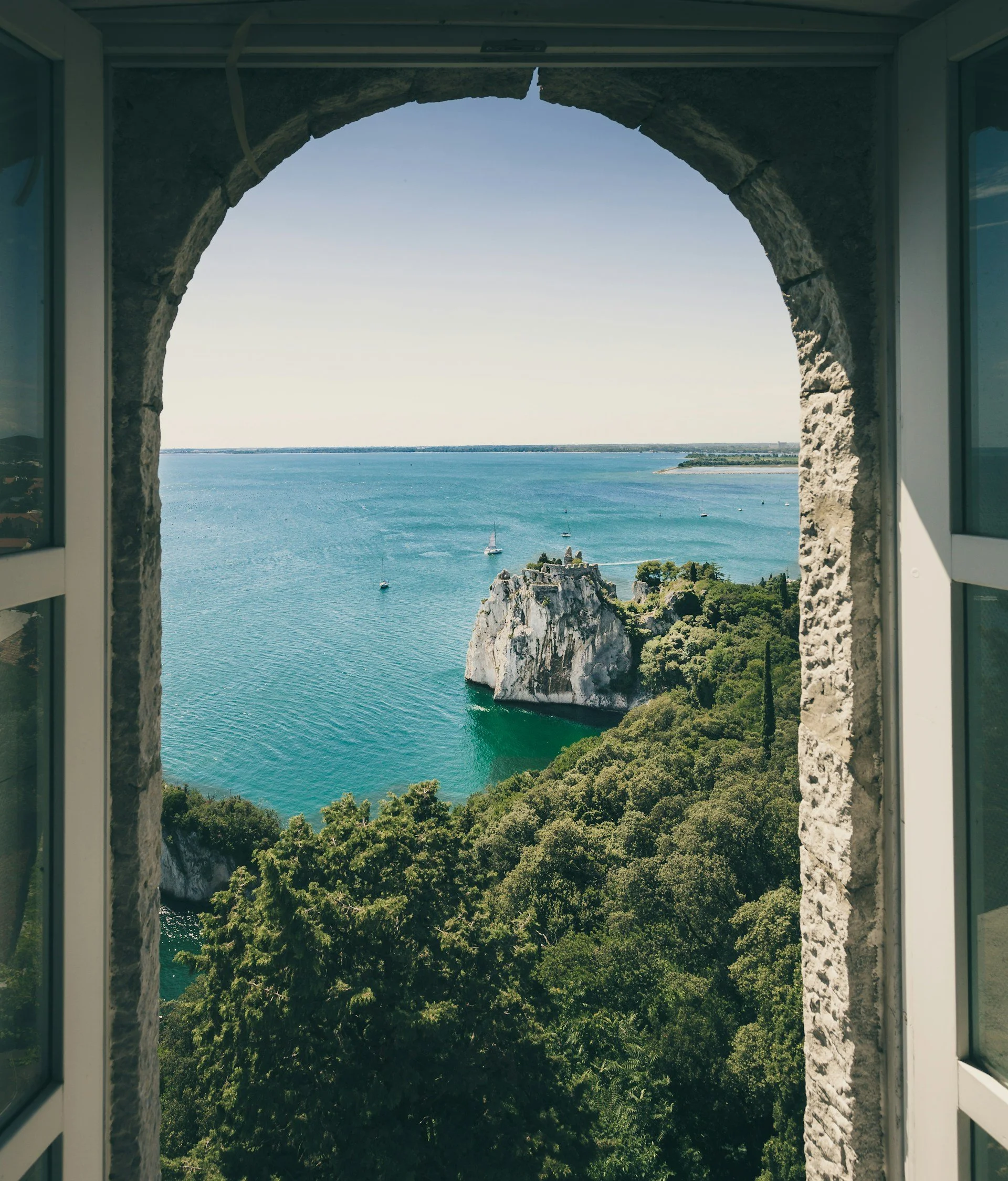
In The Symbolism of Habitat: An Interpretation of Landscape in the Arts, Jay Appleton explores the relationship between human beings and the environments they inhabit, introducing the concepts of prospect, refuge and hazard. Appleton’s work offers a fascinating perspective on why certain landscapes, buildings and views attract us, while others make us feel exposed, uncomfortable or confined. Drawing on evolutionary thinking, he suggests that our responses to landscapes may be connected to the opportunities they offer us to see without being seen, to observe our surroundings while retaining somewhere to retreat, and to recognise and negotiate potential hazards.

This is not a joke.
In September 2023, the landmark study published in Science Advances delivered a stark assessment of the state of our planet.
In Earth beyond six of nine planetary boundaries, Katherine Richardson, Johan Rockström, Will Steffen and colleagues found that six of the nine planetary boundaries had already been transgressed, placing Earth outside the safe operating space that has characterised the relatively stable conditions of the Holocene. Ocean acidification was also approaching its boundary, while regional aerosol loading had exceeded its boundary.
What if the buildings and places around us could do more than shelter us, accommodate us or help us get from A to B? What if they could actively help us live, work, connect and flourish?
That was the question at the heart of Health, Wealth: Environments That Enrich, an evening or panelists and research presentation hosted by Waugh Thistleton Architects to launch and discuss their new wellbeing research.
Presented by Kirsten Haggart, Associate Director at Waugh Thistleton, the report explores the relationship between the built environment and human wellbeing – asking what we can learn from the spaces in which we spend our lives.
For me, one of the most interesting aspects of the evening was the way the conversation moved beyond the familiar language of “wellbeing features”. Rather than simply adding greenery, daylight or natural materials to a project, the speakers were considering something much bigger: how architecture can create the conditions for people to live better lives. And the research offers a useful way of thinking about this: five interconnected principles – variety, spatial quality, biophilia, agency and nudge.
Think of it as a “five a day” for the built environment. Designing for how we actually live

We spend around 90% of our lives inside buildings, yet we often design those environments around a remarkably narrow idea of what a human being is. We specify the same lighting, the same acoustics, the same spatial arrangements and the same sensory experiences, assuming that what works for one person will work for everyone. But human beings are not standardised — and our environments shouldn't be either.
This is where biophilic design and neuroinclusive design have an important conversation to have.
Biophilic design is often understood simply as bringing nature into buildings: plants, natural materials, daylight, views of greenery. But its deeper value lies in recognising that humans have an innate relationship with the natural world and that our surroundings influence how we think, feel, behave and perform. Nature can offer moments of restoration, connection and calm, but it can also provide stimulation, fascination, movement, texture and sensory richness.
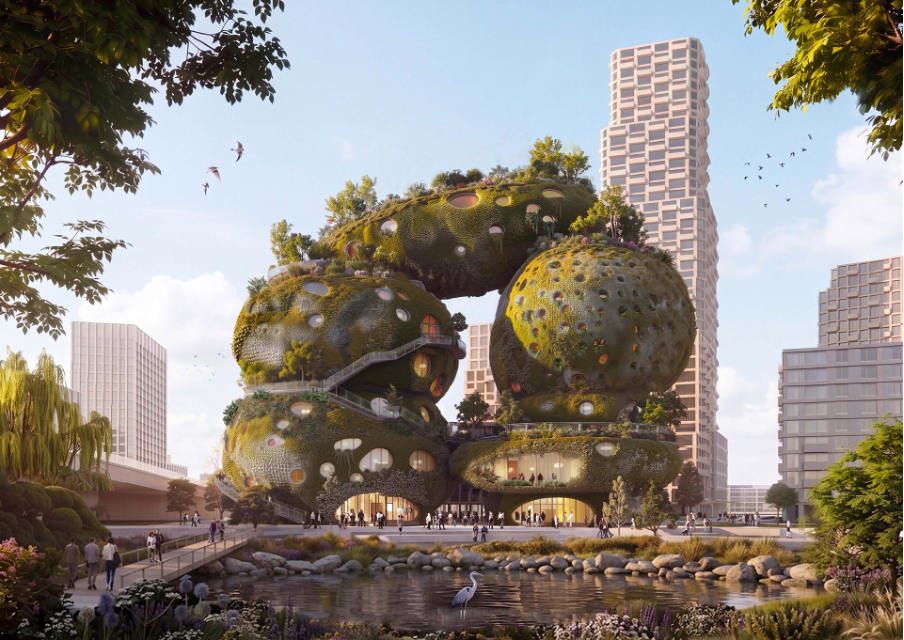
Rotterdam is no stranger to innovative architectural ideas. However this project may mark something more ambitious, a new kind of world wonder, a necessary future in which nature and the built environment are no longer separate but exist in a symbiotic relationship.
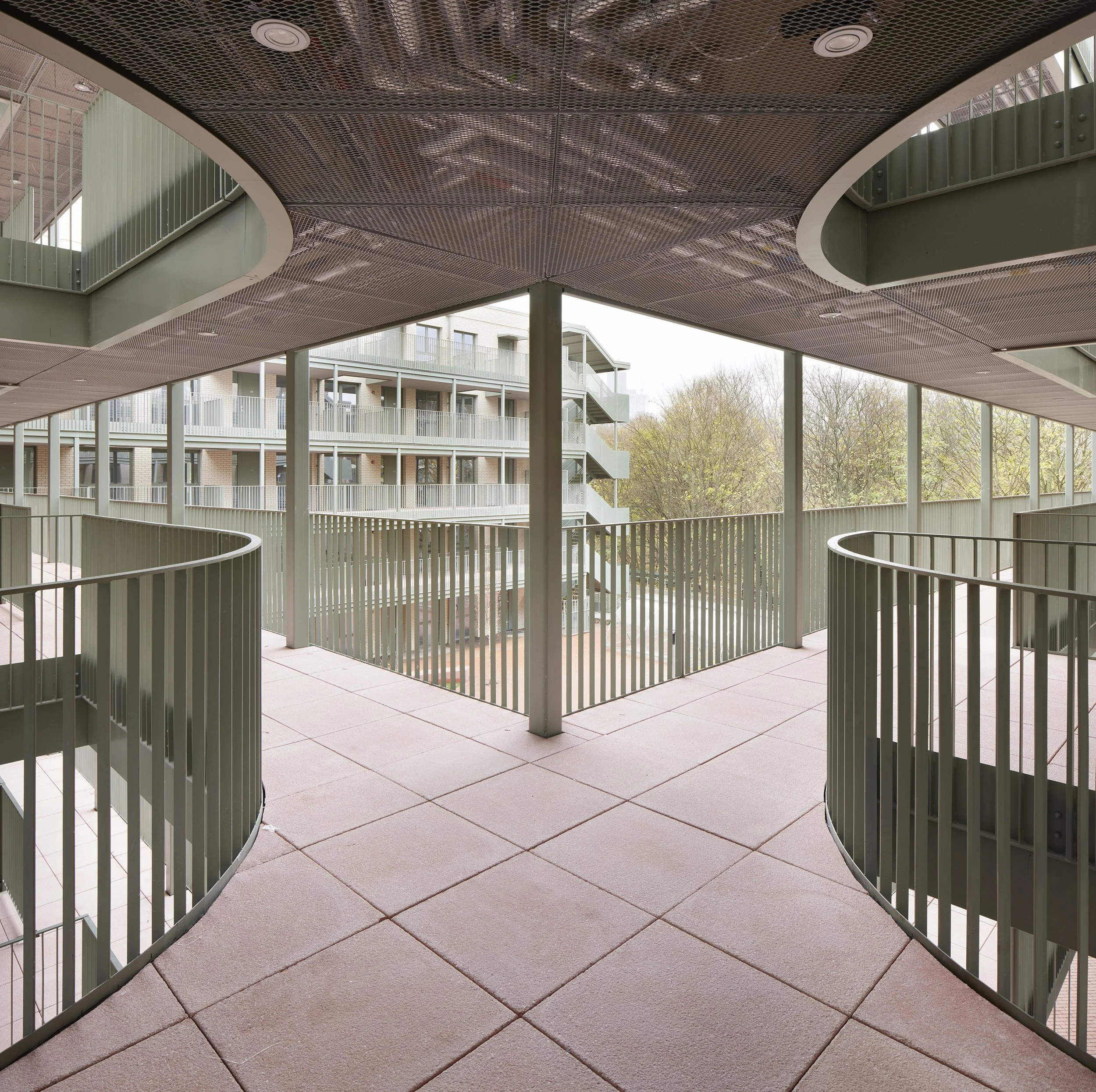
The shortlist for the RIBA Neave Brown Award for Housing is announced today. The annual award recognises the UK’s best new affordable housing, with this year's shortlisted projects demonstrating how high-quality affordable homes can meet both community needs and environmental ambitions.
Many of the qualities celebrated by the judges are exactly those that underpin Biophilic Design: abundant natural daylight, dual-aspect homes, visual connections to nature, biodiverse planting, natural materials, community interaction, and layouts that encourage movement, safety and wellbeing.

A visit to the current M.C.Escher exhibition at Somerset House recently transported me back to a personal discovery of the connection between mathematical formulas and the natural world. During a memorable - and ultimately successful - project for my maths A-Levels, my lifelong interest in art and design gave me a new perspective on the power and complexity of the natural world and maths..
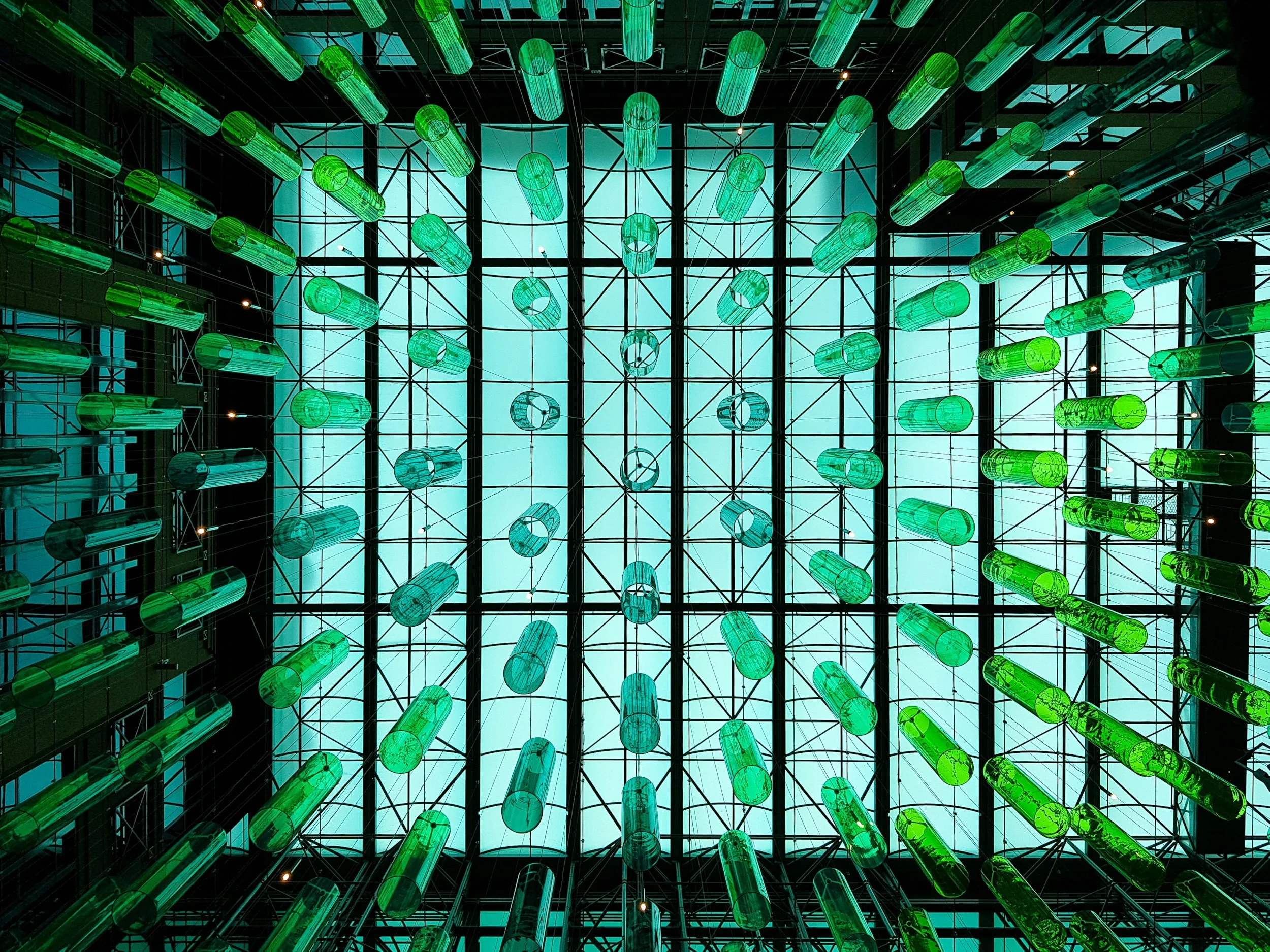
The built environment consumes enormous quantities of resources and produces equally enormous amounts of waste. Yet circularity is still often reduced to recycling percentages or the use of products containing recycled material. The reality is a lot more complicated.
A material can be recycled while losing much of its quality. A product can appear environmentally responsible while containing substances that are difficult to identify. A building can be saved from demolition without responding meaningfully to the people or community around it.
Circularity asks us to look more carefully at what already exists, such as the structure of a building, the composition of a product, the history of a material and the future uses that a design leaves open.
For biophilic design, a meaningful relationship with nature cannot begin and end with plants, timber finishes or views of greenery. It must also include the systems behind a space. We must ask ourselves where materials come from, what they contain, how long they can remain useful and what will happen when the needs of the building change.
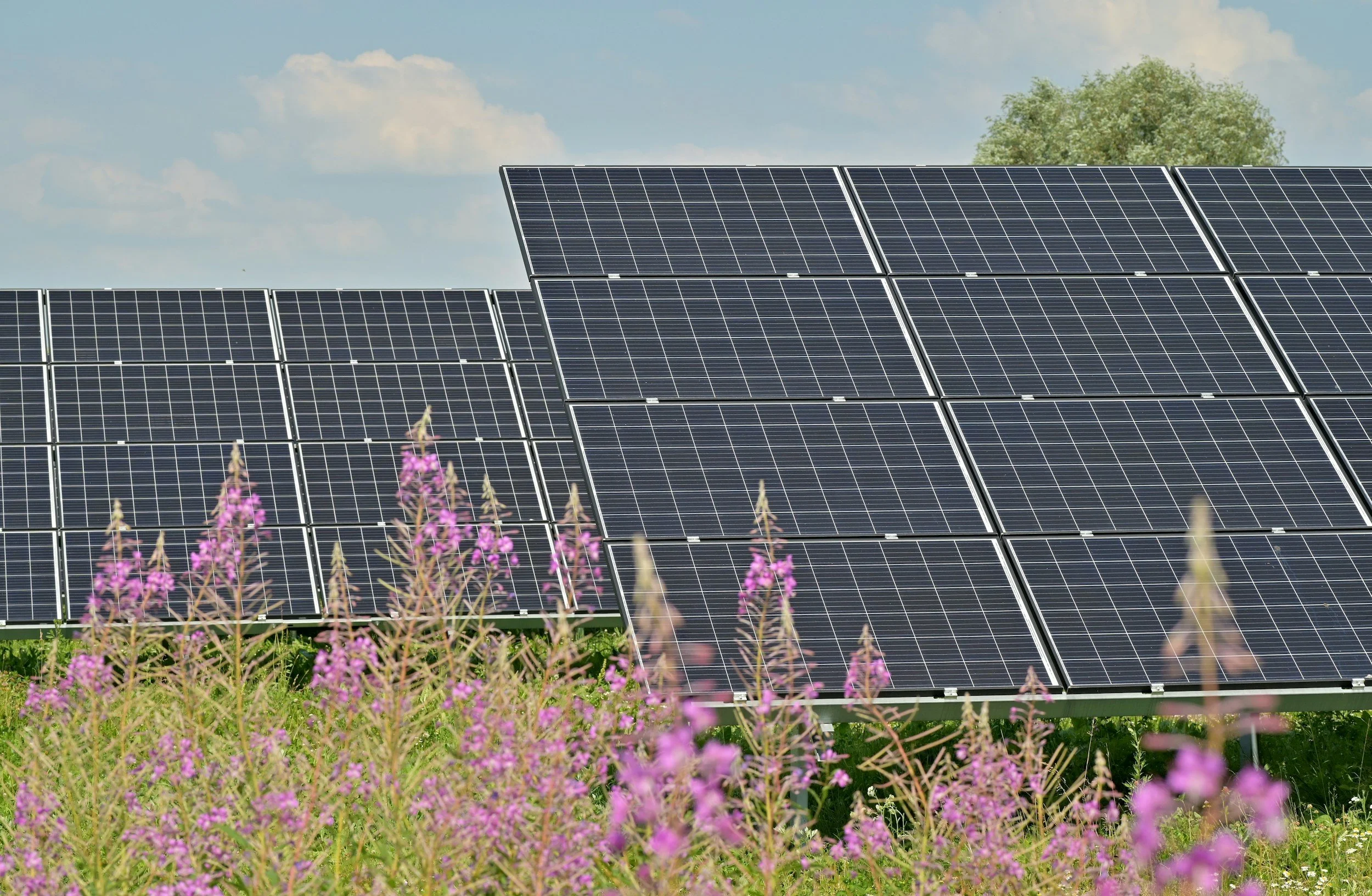
From March 2027, England's new Future Homes and Buildings Standards will fundamentally change the way we design new homes. Among the most significant amendments is the introduction of a new functional requirement (L3), requiring on-site renewable electricity generation for new dwellings and residential buildings. At the same time, Part L of the Building Regulations shifts its emphasis beyond simply conserving energy to also reducing greenhouse gas emissions.
For architects, designers, planners and developers, the conversation has understandably centred around technologies such as solar photovoltaics, heat pumps and smart controls. Yet there is a danger that renewable systems become viewed as solutions in isolation. Technology performs best when it works with nature rather than against it—and that is precisely where Biophilic Design has an important role to play.
Biophilic Design is often associated with planting, biodiversity and occupant wellbeing, but at its core it is about understanding natural systems. Before selecting renewable technologies, we should first ask: how does this site already work? Where does the sun travel? How do prevailing winds move across the landscape? Which existing trees provide seasonal shade? How can natural daylight reduce the need for artificial lighting? These are biophilic questions, but they are also questions of building performance.
READ one

The Women in Biophilic Design panel on 22 July 2026 brought together five women working across design, education, publishing, environmental psychology, forest therapy and community building.
Although their routes into the field were very different, each had come to biophilic design through a personal experience of healing, stress, nature connection or the feeling that conventional design practice was missing something fundamental.
The conversation went beyond the usual discussion of plants, materials and visual references to nature. It became a broader discussion about what biophilic design can bring back into practice, including more care, better listening, stronger collaboration, a deeper sense of place and greater responsibility for the people and generations who come after us.
What stayed with me most was the sense of hope running through the discussion. The panellists did not deny the scale of the environmental and social challenges we face. Instead, they suggested that many of the qualities needed to respond to them already exist within the field and within the communities forming around it.
READ ON…

If you've found yourself feeling more irritable during the recent heatwaves, you're not imagining it. A recent Guardian article explored the growing body of research showing that high temperatures affect far more than our physical comfort. Heat places the body under stress, disrupting sleep, increasing fatigue and dehydration, making us less patient, less focused and more prone to conflict. Studies have even linked hotter days with increases in aggression, road rage and mental health emergencies.
This is precisely why Biophilic Design needs to become central to the way we design our towns and cities. As temperatures continue to rise, we cannot rely solely on air conditioning and mechanical cooling. We need places that work with nature to create healthier, cooler and more resilient environments. READ ON…
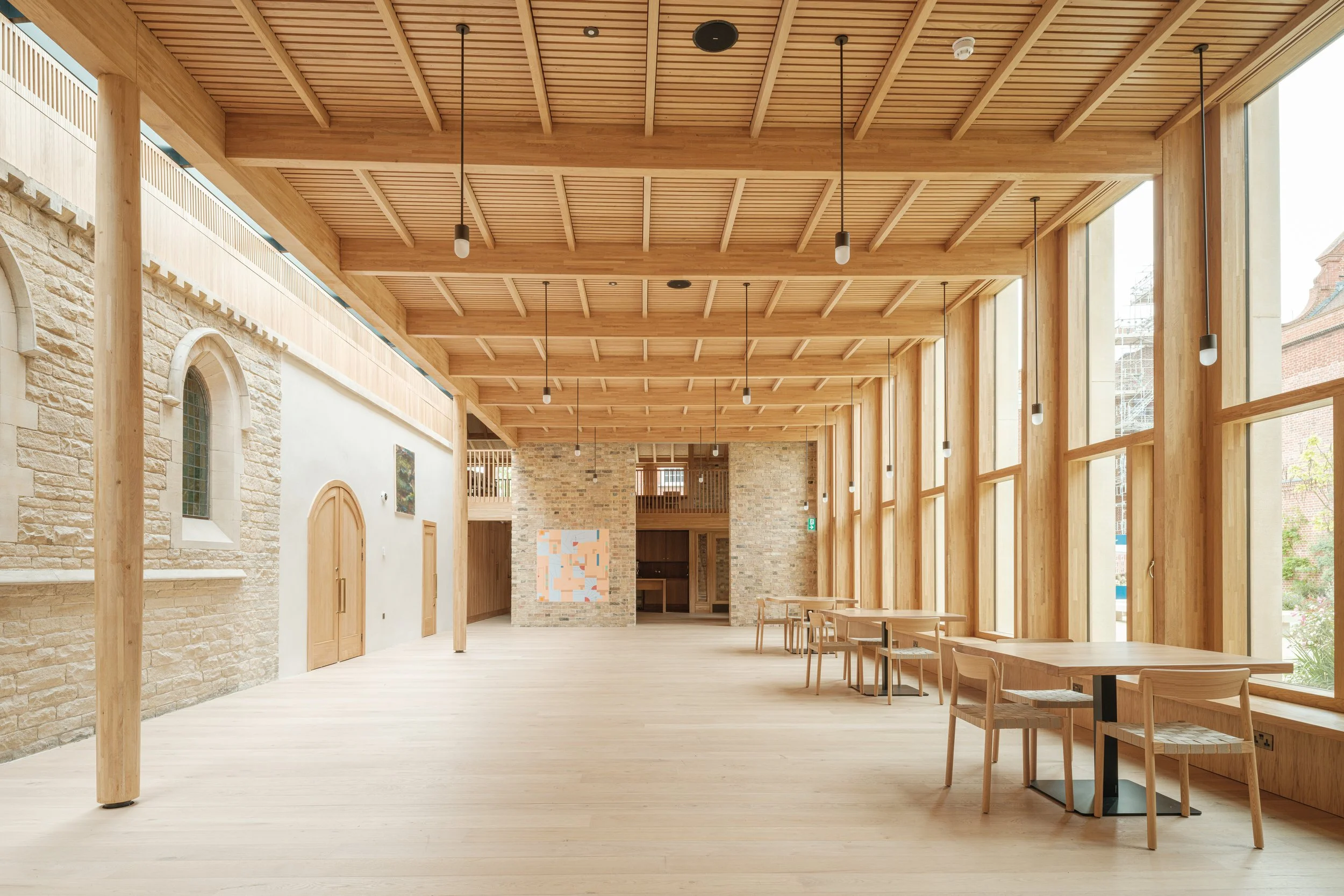
Every year the Stirling Prize celebrates architectural excellence. This year, however, another story emerges. Look beyond the headlines and a pattern begins to reveal itself. Britain’s best new buildings are increasingly embracing many of the principles of biophilic design, whether they call it that or not.
Beneath the discussion of materials, detailing and craftsmanship lies a common thread that is increasingly shaping Britain’s best architecture: a deeper connection between people, place and nature.
Whether through the warmth of timber, generous natural light, restorative views, biodiverse landscapes or carefully crafted communal spaces, many of this year’s shortlisted buildings demonstrate principles long championed by the Journal of Biophilic Design. They remind us that architecture is at its best when it supports both environmental resilience and human wellbeing.
Natural materials – timber, brick with tactile qualities, exposed structure and honest materiality.
Prospect and refuge – long views balanced with sheltered places to gather.
Natural light – daylight used as a design material rather than simply illumination.
Connection with living systems – landscapes, rivers, planting and seasonal change.
Community – courtyards, shared gardens, public squares and informal meeting places.
Awe and delight – spaces that inspire curiosity, wonder and emotional connection.
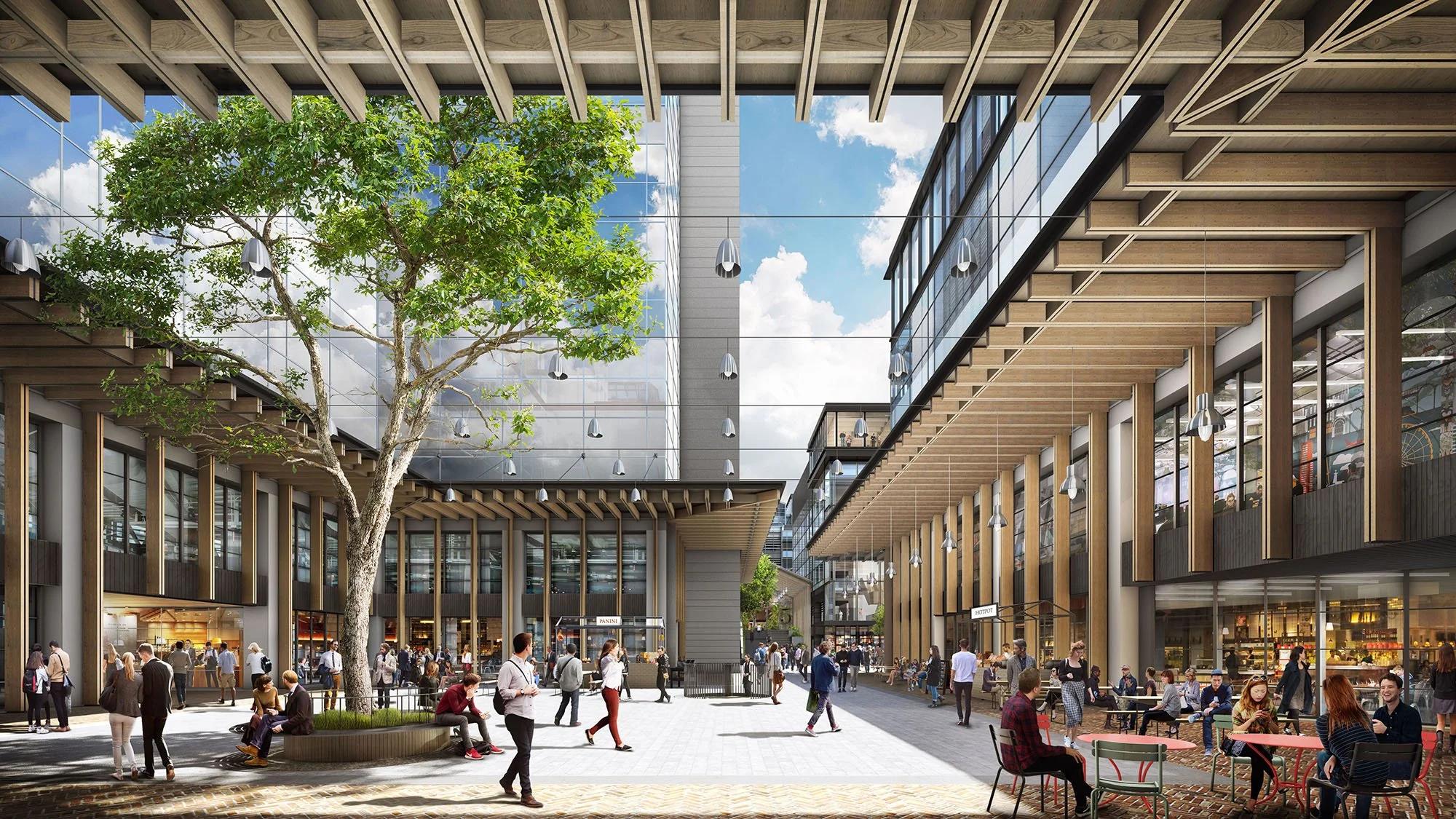
There is a conversation happening in workplaces right now that most leaders are not fully part of, and it is not just happening in board meetings or leadership away-days. It is happening in the gaps: in the quiet frustration of the team member whose idea was talked over, in the instinct of the specialist whose insight was shelved, in the resignation of the person who stopped raising their hand because nobody seemed to be listening. It is also costing organisations far more than they realise.
On 1 October 2026, an important event is taking place at Gensler's London studio that speaks directly to this gap. Breaking the Echo Chamber: Real Voices, Real Change, hosted by Jennifer L. Bryan and building on the acclaimed Hearing Women in the Workplace research by Paige Hodsman and Dr Nigel Oseland, promises to move the conversation beyond familiar territory. This is not simply a discussion about gender equity. It is a rigorous examination of whose voices carry weight in organisations, whose insights translate into action and what leaders may be missing as a result. For those of us working at the intersection of human wellbeing and the built environment, the relevance could not be more direct.
READ ON… and BOOK TICKETS TO JOIN US.
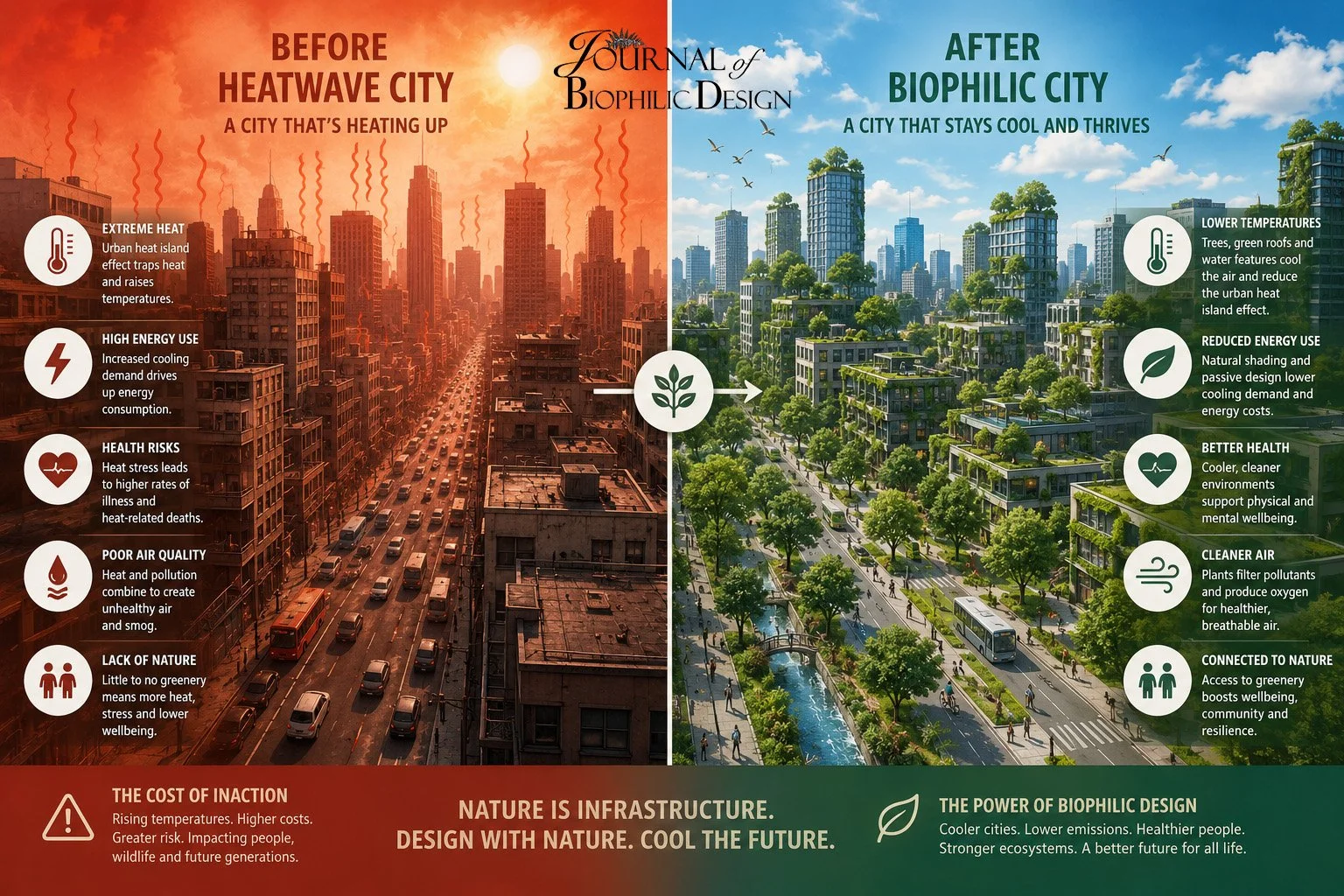
As record-breaking temperatures sweep across continents once again, it is becoming increasingly difficult to view extreme heat as an occasional weather event. From Europe and North America to Asia, Africa and Australia, heatwaves are growing more frequent, more intense and more prolonged. The impacts are profound: rising mortality, increased pressure on healthcare systems, declining productivity, infrastructure failure, biodiversity loss and growing social inequality.
Climate change is often discussed in terms of carbon emissions, energy systems and technological innovation. While these are all essential, we must also pay attention to how we design the places where people live, work, learn and heal. The built environment has become one of our greatest vulnerabilities during periods of extreme heat. Yet it also presents one of our greatest opportunities.
This is where Biophilic Design offers an evidence-based framework for action.
READ ON…

We are delighted to announce that The Journal of Biophilic Design is now an Associate Member of the Green Roof Organisation (GRO), the UK trade association championing green roofs, living walls and nature-based roof solutions. GRO brings together experts from across the built environment to advance best practice and promote the vital role that green infrastructure can play in creating healthier, more resilient places for people and nature alike.
Biophilic design is about much more than bringing nature indoors. It recognises the importance of integrating nature throughout the built environment, from streetscapes and public spaces to green roofs, living walls and biodiverse landscapes. By reconnecting people with natural systems, these interventions help foster healthier, more restorative environments while strengthening the ecological performance of our buildings and cities.
When thoughtfully designed and maintained, green roofs deliver a remarkable range of benefits. They can help mitigate and adapt to climate change by reducing urban heat, managing stormwater, improving building performance and creating valuable habitat for wildlife. They also contribute to cleaner air, improved acoustics and enhanced biodiversity, while providing opportunities for human wellbeing through greater access to nature in increasingly urbanised environments. As cities seek solutions to the interconnected challenges of climate change, biodiversity loss and public health, green roofs represent an important component of a truly biophilic future.

RSPB Announces the return of ‘Night of Nature’ on August 15, 2026 . Following a successful launch last year at London’s Troxy, RSPB is pleased to share details for the 2026 return of their unique Night of Nature event.
Held at Harrogate’s Royal Hall venue on August 15, the evening’s programme will sync transportive footage from across the UK’s stunning natural habitats and wildlife with live music. Hosted by RSPB Vice President, nature writer and broadcaster Kate Humble, the immersive event will be headlined by vocal group G4, with support from the Blackheath Quartet.
With a stirring blend of storytelling and visuals, Night of Nature aims to narrow the divide between humans and the nature surrounding us, striving towards a future where people, wildlife and wild places can all thrive alongside each other.
Nature needs our help now more than ever, as we move ever closer to the government’s legally-binding UN target to protect 30% of UK land and sea for nature by 2030, and with 1 in 6 species currently at risk of extinction from climate and biodiversity crises.
READ on and Book tickets…

Energy Secretary Ed Miliband joins Kenyan teenager on shortlist for UK’s leading climate awards. P.E.A. Awards 2026 shortlist announced.
“We are pleased also to announce that Edgardo Rossi has also been shortlisted. The Journal of Biophilic Design is publishing a monograph on Preserved Plants with him. The monograph will be published in the Fall,” said Dr Vanesa Champion, Founder and Editor, Journal of Biophilic Design.
READ ON….
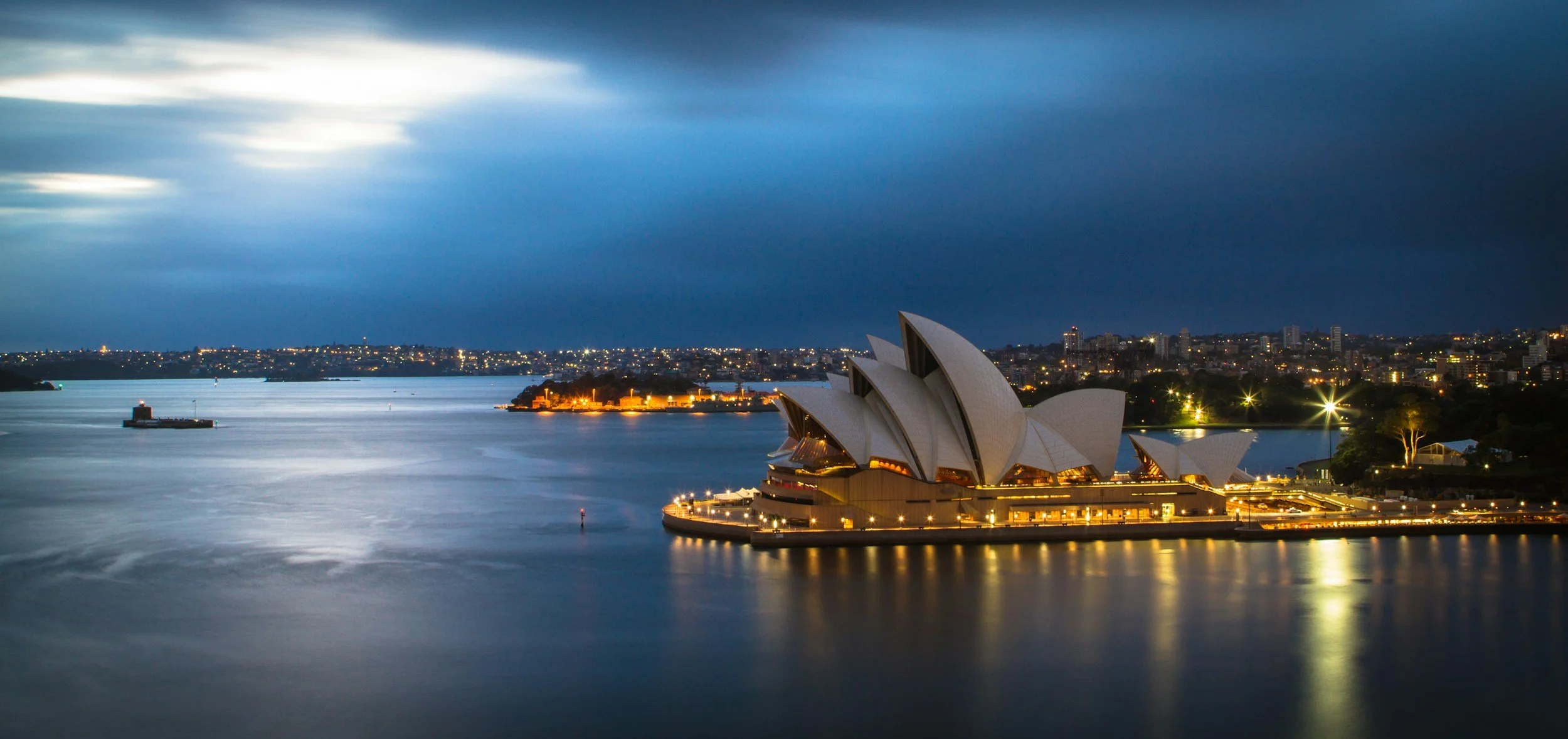
Journal of Biophilic Design Launches in Australia with Studio Chintamani at Futurebuild Sydney 2026 with their first formal international territory partnership. Sydney, Australia | 11–13 June 2026
Journal of Biophilic Design is officially launching in Australia through an exclusive partnership with Sydney-based Studio Chintamani, with the launch taking place at Futurebuild Sydney from 11–13 June 2026. Founded in the United Kingdom by Dr Vanessa Champion, the Journal of Biophilic Design has become a leading global voice exploring the relationship between nature, people and the built environment. The expansion into Australia marks a significant milestone in the Journal’s international growth and reflects the increasing global demand for healthier, more nature-connected approaches to architecture, interiors, urbanism and placemaking.
The Australian launch builds on the Journal’s steady and growing presence across Europe and internationally, alongside a rapidly expanding global audience through its podcast, which now reaches more than 40,000 monthly listeners worldwide. The Journal has also developed media partnerships with major international trade shows and design events and was recently shortlisted for a BSME Award for its Art Team, recognising the strength and quality of its editorial and visual storytelling.
As the platform continues to grow, the Journal of Biophilic Design is expanding its international network across research, publishing, marketing, commercial partnerships and business development, helping connect academia, industry and practice through a shared focus on nature-positive design.

𝗔𝗿𝗰𝗵𝗶𝘁𝗲𝗰𝘁𝘂𝗿𝗲 𝗶𝘀 𝗻𝗲𝘃𝗲𝗿 𝗻𝗲𝘂𝘁𝗿𝗮𝗹 - Every rhythm of light, texture, and form leaves a deep impression on body and mind. Spaces can nourish us or disturb us, create a sense of connection or enforce separation.
When a place resonates, we feel it in our bodies: in the warmth of natural materials, the power of harmonious proportions, the deep calm of beautiful views. Thanks to emerging scientific disciplines such as environmental psychology and neuroaesthetics, we now better understand how spaces influence our perception, emotions, and behaviour, deep into the subconscious.
Join our friends at Mind-Body-Space Global Symposium, an international symposium in Amsterdam from 6 to 10 July on evidence-based and holistic design. Over five days, leading designers, researchers, and thinkers come together to move beyond the boundaries of their disciplines and define the human habitats of tomorrow.

Something we're very much looking forward to this week.
Material Matters Copenhagen returns to #3daysofdesign on 10–12 June.
Nineteen makers, manufacturers and researchers, from Hong Kong to Slovakia, India to Ukraine, gather at Ukraine House, Gammel Dok to explore material intelligence and asl what materials can do, and what they should no longer be asked to do.
For the biophilic approach there's plenty to get excited about. AHEC's immersive Wood for the Trees traces hardwood from forest to finished product across a 140sqm abstract woodland. Aifungi continues its investigation into mycelium-based furniture and lighting. Malai grows bacterial cellulose from coconut processing waste, and Kateha brings 270 years of rug-making heritage rooted in natural fibre.
Elsewhere, rice-husk waste, recycled glass, bio-based adhesives, olive pits and Nordic wood fibre all make an appearance. Material intelligence in the most grounded, tangible sense.
Free to attend. Register via the 3daysofdesign app.
Ukraine House, Gammel Dok, Strandgade 27B, Copenhagen
10–12 June | 10.00–18.00 daily
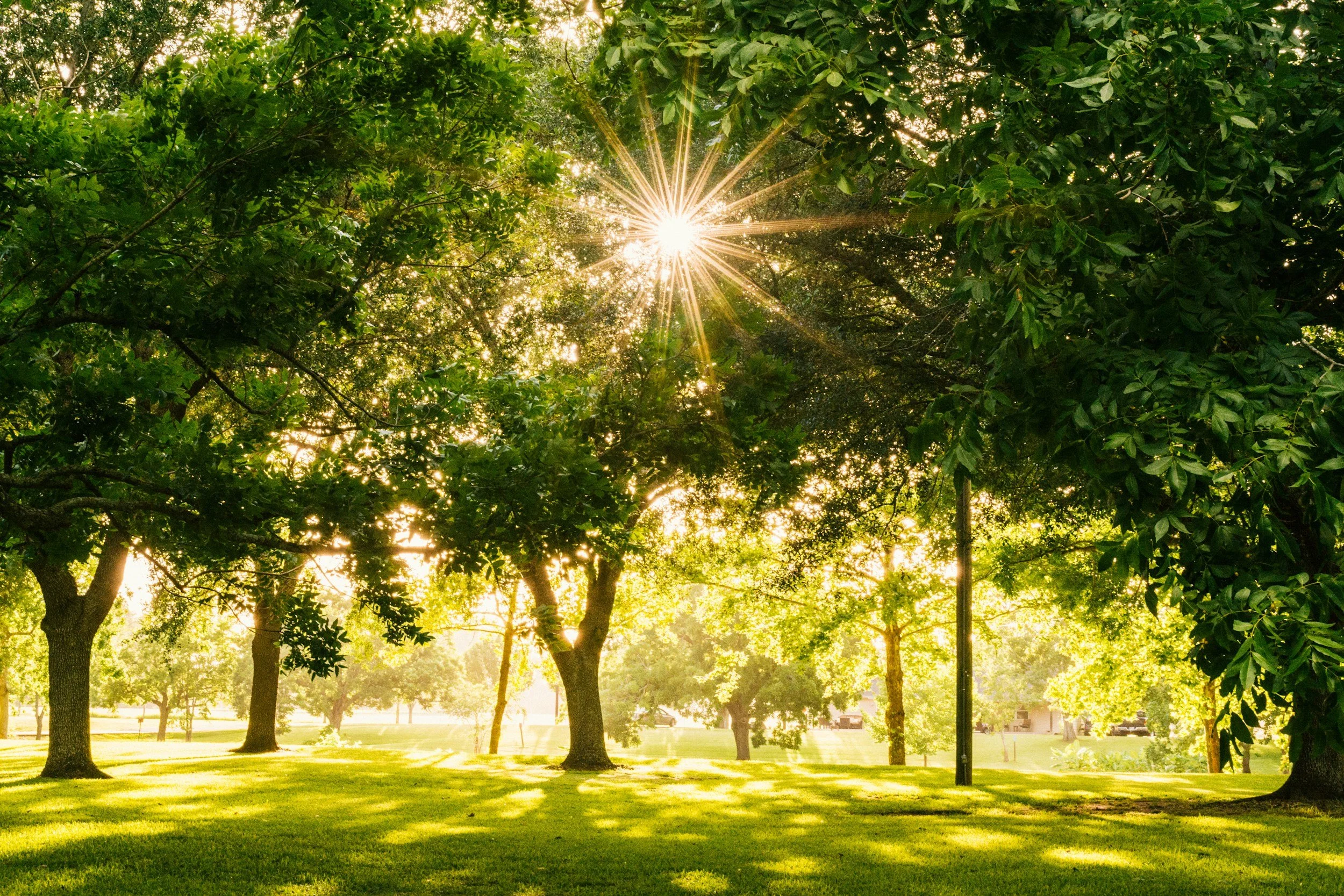
The King’s Speech this week placed housing, clean water, energy independence, infrastructure and climate resilience firmly at the centre of the national conversation. For those of us working in and advocating for Biophilic Design, this moment matters deeply, because the ambitions outlined by government cannot truly succeed without a more fundamental shift in how we design places for people and planet.
READ ON…

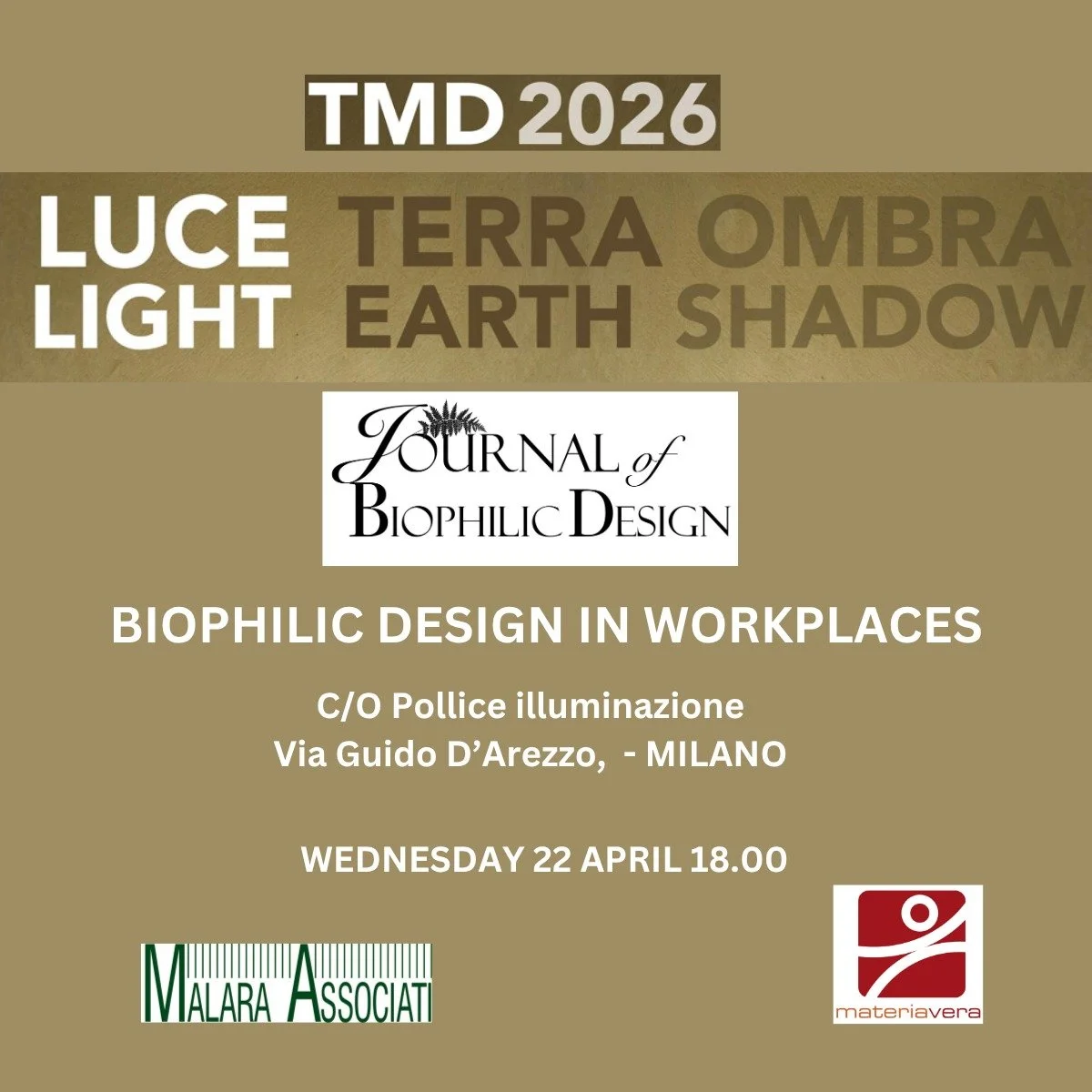
Journal of Biophilic Design makes debut appearance to Host Biophilic Workplace-Focused Panel at Fuorisalone 2026, Milan
Milan, Italy — April 2026 — As Milan Design Week transforms the city into a global hub of creativity and innovation, the Journal of Biophilic Design will make its debut appearance at Fuorisalone with a clear objective: to bridge the gap between design ideas and real-world application.
Hosted within a curated exhibition space developed in collaboration with ANAB and Terra Migaki Design, the Journal’s presence will spotlight practical, implementable approaches to biophilic design. The installation will take place at Pollice Illuminazione, a long-established destination for lighting design in Milan.
Amid a week known for conceptual exploration, this collaboration focuses on tangible solutions — showcasing bio-based materials, circular design thinking, and lighting strategies that can be specified, sourced, and delivered within today’s built environment.
Panel Event: Biophilic Design in Workplaces
📅 22 April 2026
🕕 18:00
📍 Pollice Illuminazione, Via Guido D’Arezzo 11, Milan ITALY
The Journal will host a panel discussion examining the role of biophilic design in shaping healthier, more resilient workplaces. Speakers include: READ ON…

We are also convening a Biophilic Design Masterclass on Placemaking with two of the best brains in Biophilic Design, Oliver Heath and Bill Browning. Plus a panel discussion on Biophilic Design and Resilience with Kirsty Wilman of Rebalance Earth, Luke Engleback of EcoUrbanist and Joanna Yarrow of Human Nature.
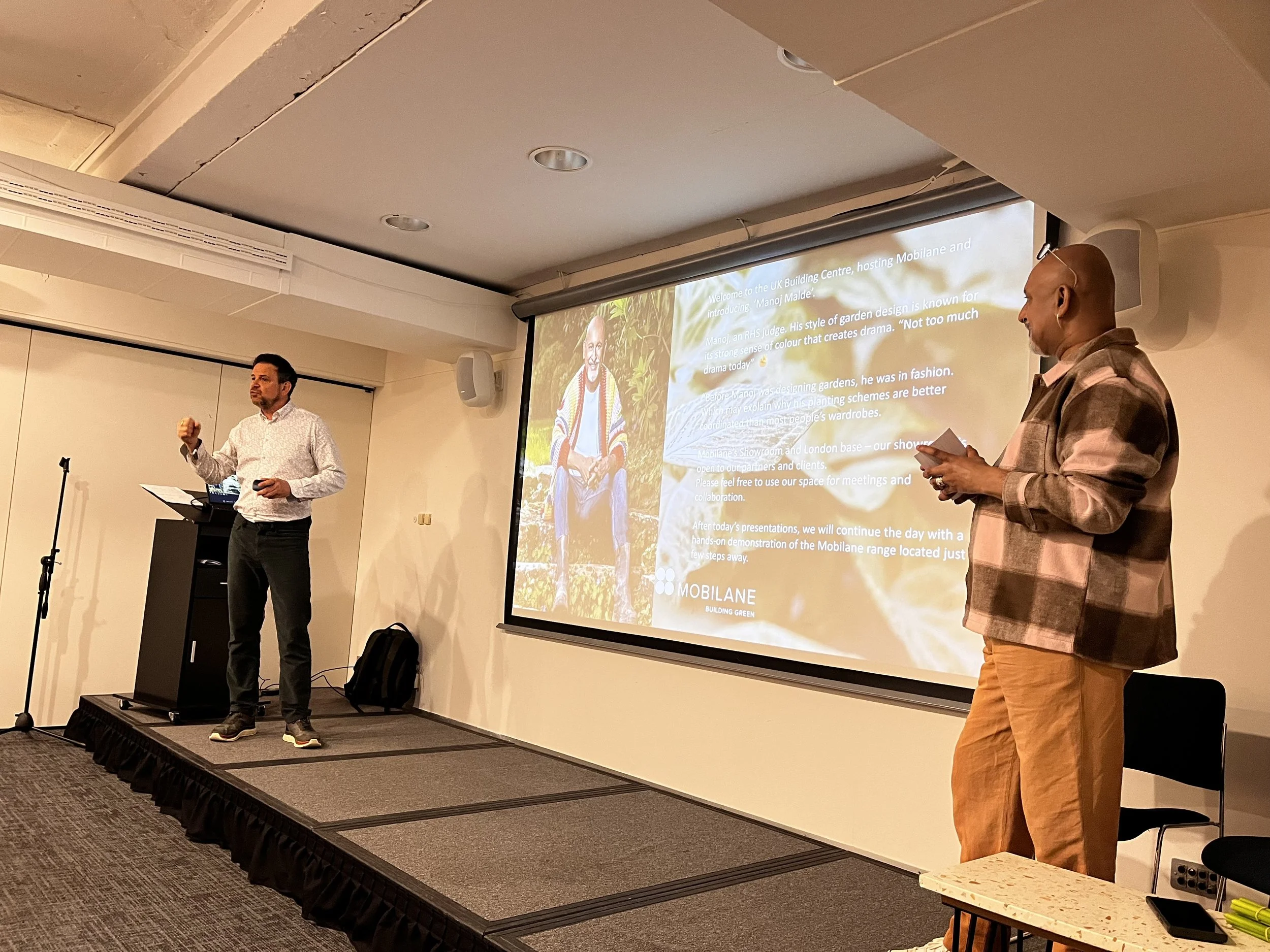
I was thrilled to be asked to attend a talk today hosted by Mobilane at The Building Centre, with award-winning garden designer, writer and TV presenter Manoj Malde who delivered a passionate and deeply personal exploration of living green walls and their role in the future of cities. Blending storytelling with research and practical design insight, Manoj made a compelling case that greenery in urban environments is a fundamental requirement for healthier, more resilient places to live.
Before becoming a garden designer, Manoj worked in the fashion industry, but a career shift led him into landscape and garden design. Early in that transition he spent time in Hong Kong. Surrounded by dense clusters of skyscrapers, he remembers waking one morning expecting to hear birdsong, only to be met with silence. The absence of a dawn chorus, something he had always taken for granted, left him feeling physically unsettled. It was that moment he realised something important, that when nature disappears from daily life, we feel it in our bodies.

Designers are always searching for ideas that endure — ideas rooted not only in aesthetics, but in how humans live, heal and belong within the natural world. That is why viewing Finding Harmony: A King's Vision matters now. The film brings together decades of thinking from King Charles III about our relationship with nature, communities and the built environment — themes that sit at the heart of biophilic design.
For architects, landscape architects and urban designers, the documentary offers more than a portrait of a monarch’s environmental advocacy. It is, in many ways, a historical record of ideas that anticipated today’s conversations around regenerative design, nature-based solutions and the social value of green space. In a moment when the profession is grappling with climate, wellbeing and how cities must evolve, the film provides context — and a reminder that these principles have deep roots.
Designers should watch it not simply as a documentary, but as a source of hope and inspiration. It shows that reconnecting people, place and nature is not an abstract theory but a lived practice — one that can shape farms, neighbourhoods, prisons, schools and entire communities. At a time when the future can feel uncertain, the film argues that harmony with nature is still possible, and that design has a crucial role in achieving it.
Regenerative design, waste reduction and reuse, biomaterials, preserving crafts, rescuing species, nurturing nature and more: eco-projects at the cutting edge. Visit GREEN GRADS exhibition 14 - 15 November 2026.