What happens when you rethink therapy through the lens of biophilic design? In the United States, a group of parents and practitioners have created TrailHouse: a nature-connected therapeutic environment where children can feel safe, explore their world and, most importantly, be themselves.
For Cole Walsh-Davis, Mary Maier and Brenda MacMillan, that realisation came through their own experiences of raising neurodivergent children and working with families. Despite their combined knowledge and experience, they struggled to find a therapeutic environment that reflected what they knew human beings needed to feel safe, connected and able to flourish. So, rather than accept the limitations of existing provision, they decided to create something themselves.
The result is Trail House, a place for neurodiversity-affirming therapy built around an understanding that the environment can really help healing and learning, and is an active participant in the process.
As Brenda, who has worked in the neurodiversity field for 30 years, explains, they had reached a point where they couldn't find anything that brought together all the things they knew people needed to flourish. When they discovered a building with beautiful natural light, timber floors and direct access to woodland trails, they began to realise their vision. Two years on, they are seeing the benefits extend well beyond the children themselves, with improvements in family wellbeing and a growing sense of community.
A space that communicates safety
Trail House offers occupational therapy, speech therapy and mental health support, but its philosophy goes much further than traditional clinical provision. The team wanted to create a safe landing space for families who may spend much of their lives navigating environments that feel uncomfortable, overwhelming or unwelcoming.
For many neurodivergent children, everyday environments can demand enormous amounts of energy simply to cope with their surroundings. The sensory experience of a room, the expectations placed upon them and the pressure to conform can all contribute to stress. At Trail House, the building itself is designed to communicate something different: you are welcome here; you can be yourself.
Natural light, beautiful timber, adaptable spaces and an abundance of opportunities to connect with nature replace the clinical feel of conventional therapy rooms. Importantly, the doors lead directly outside, connecting the indoor environment with woodland trails, a creek and the natural landscape beyond. Nature isn't something to look at through a window. It is part of the therapeutic experience.
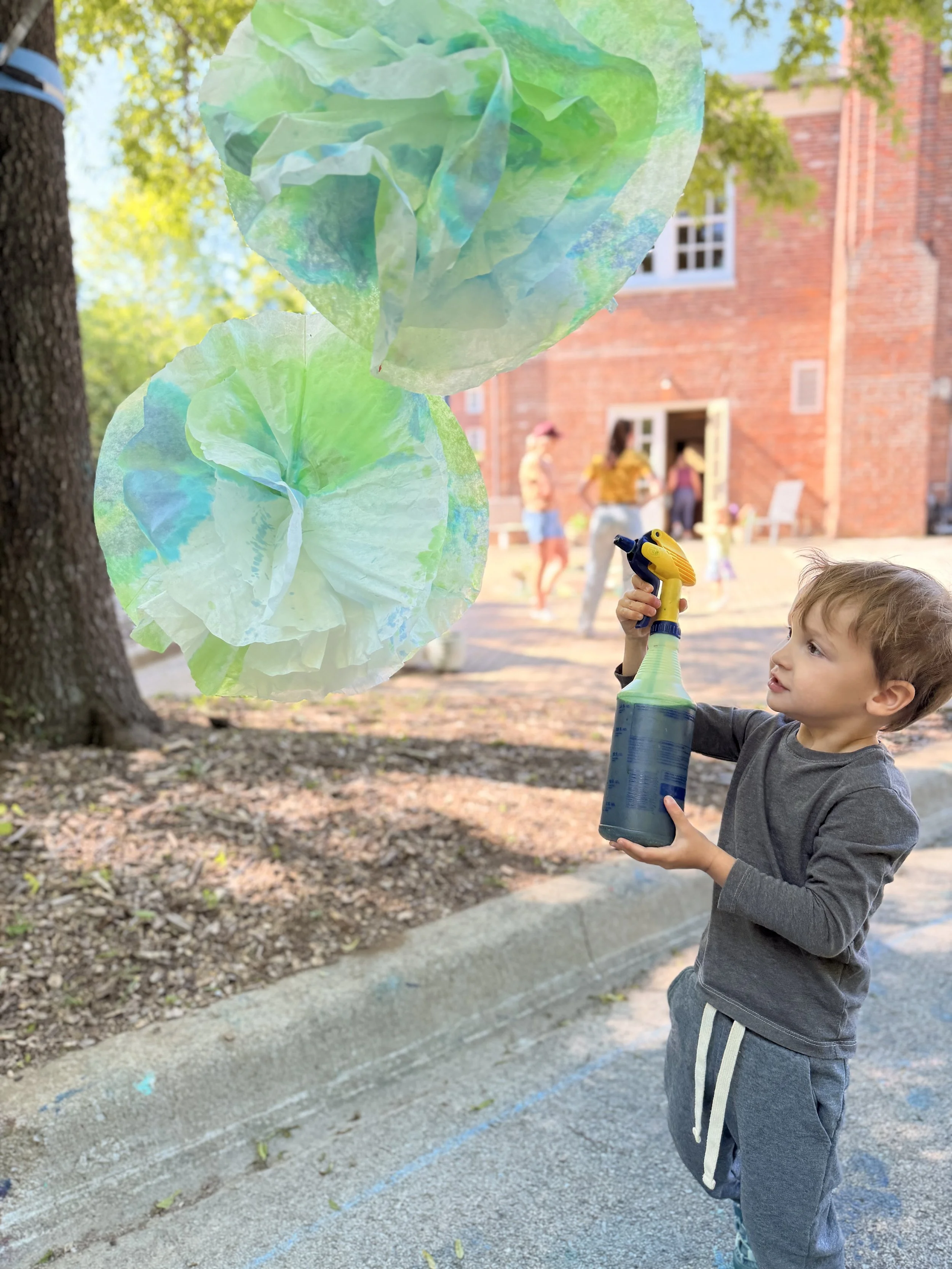
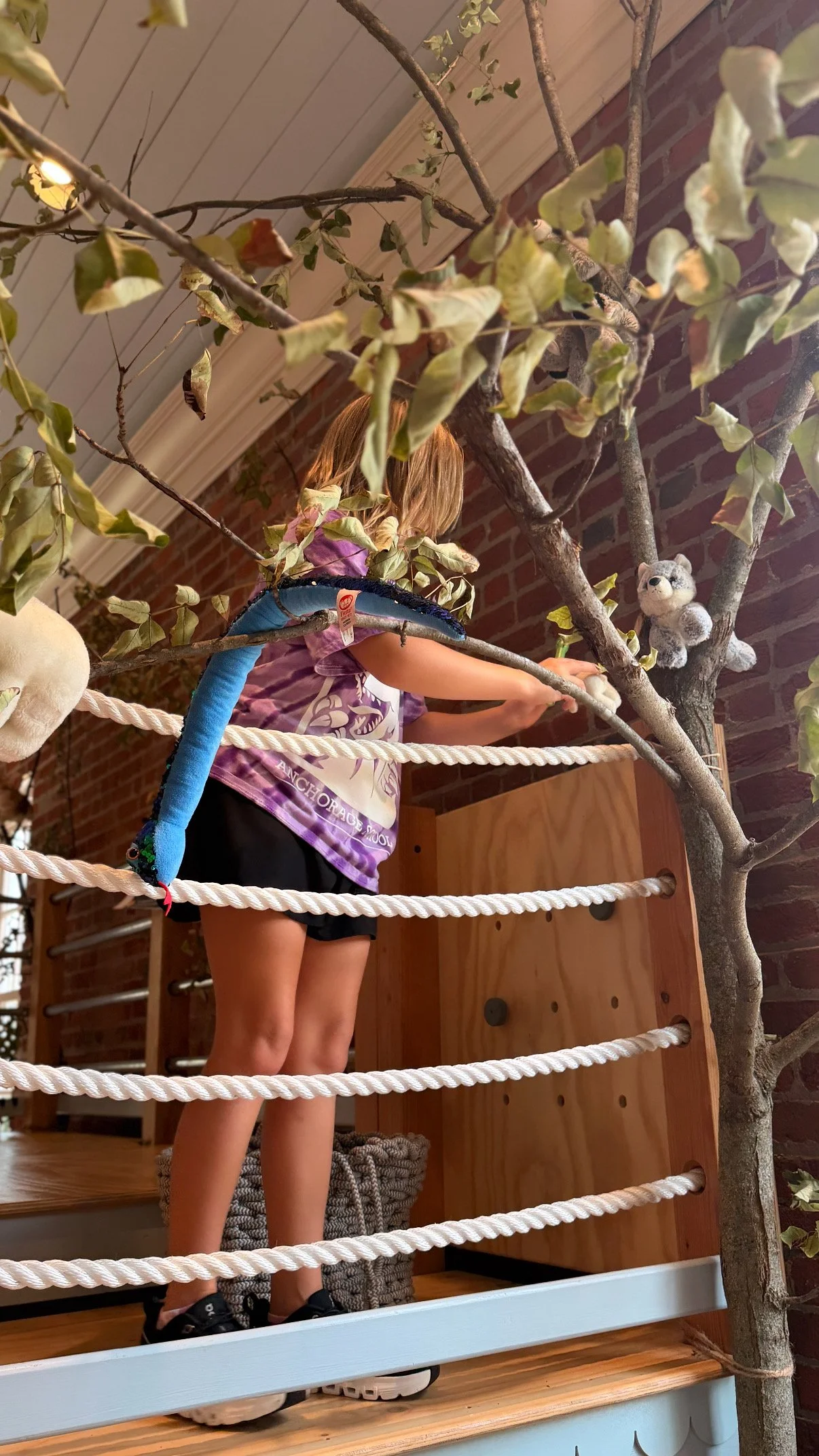
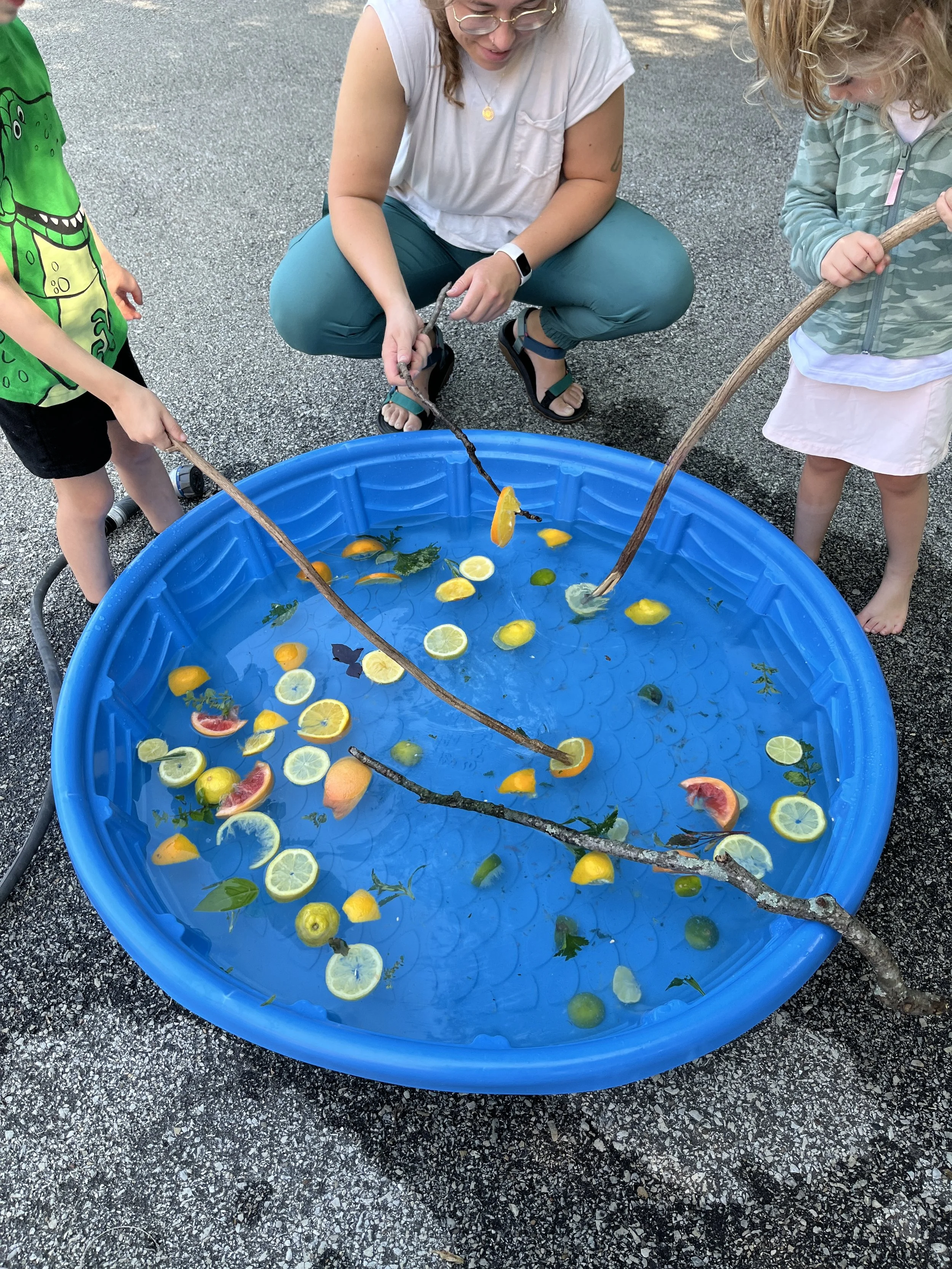
Children can collect rocks, investigate insects, play with water, climb, swing, explore and bring natural treasures back inside. Branches gathered from the trail become part of indoor play structures, while sensory invitations change regularly to encourage curiosity and discovery.
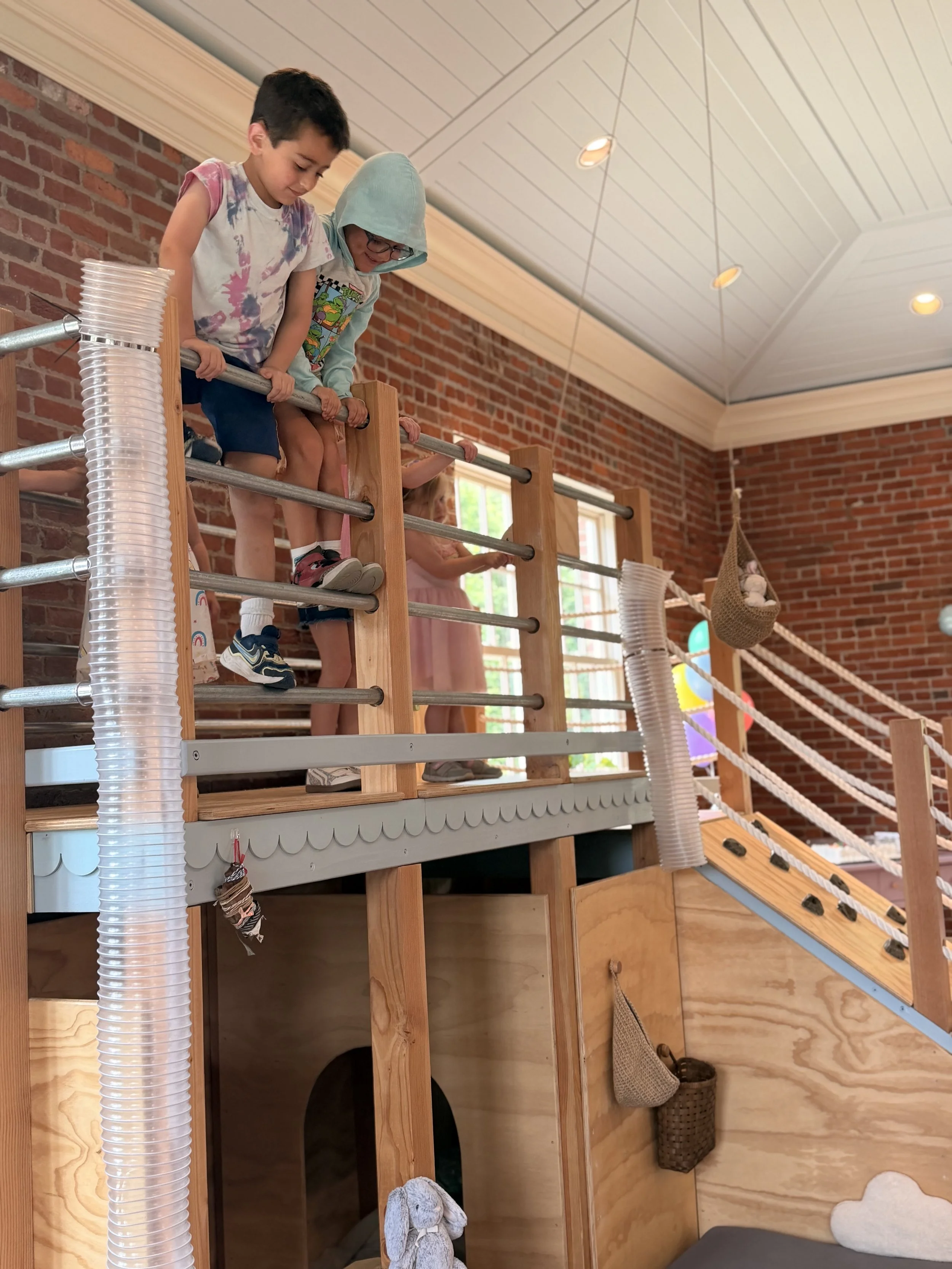
The boundary between indoors and outdoors becomes wonderfully fluid .
Designing for choice, movement and discovery
Adaptability was one of the team's essential design principles. They wanted to avoid a space dominated by restrictions and instructions – a place where children were constantly being told what they could and couldn't do.
Instead, bespoke furniture and fittings were designed to encourage movement, exploration and autonomy. A large, movable wooden table can be used in different ways, climbing structures provide opportunities for physical activity, and adaptable swings offer different sensory experiences.
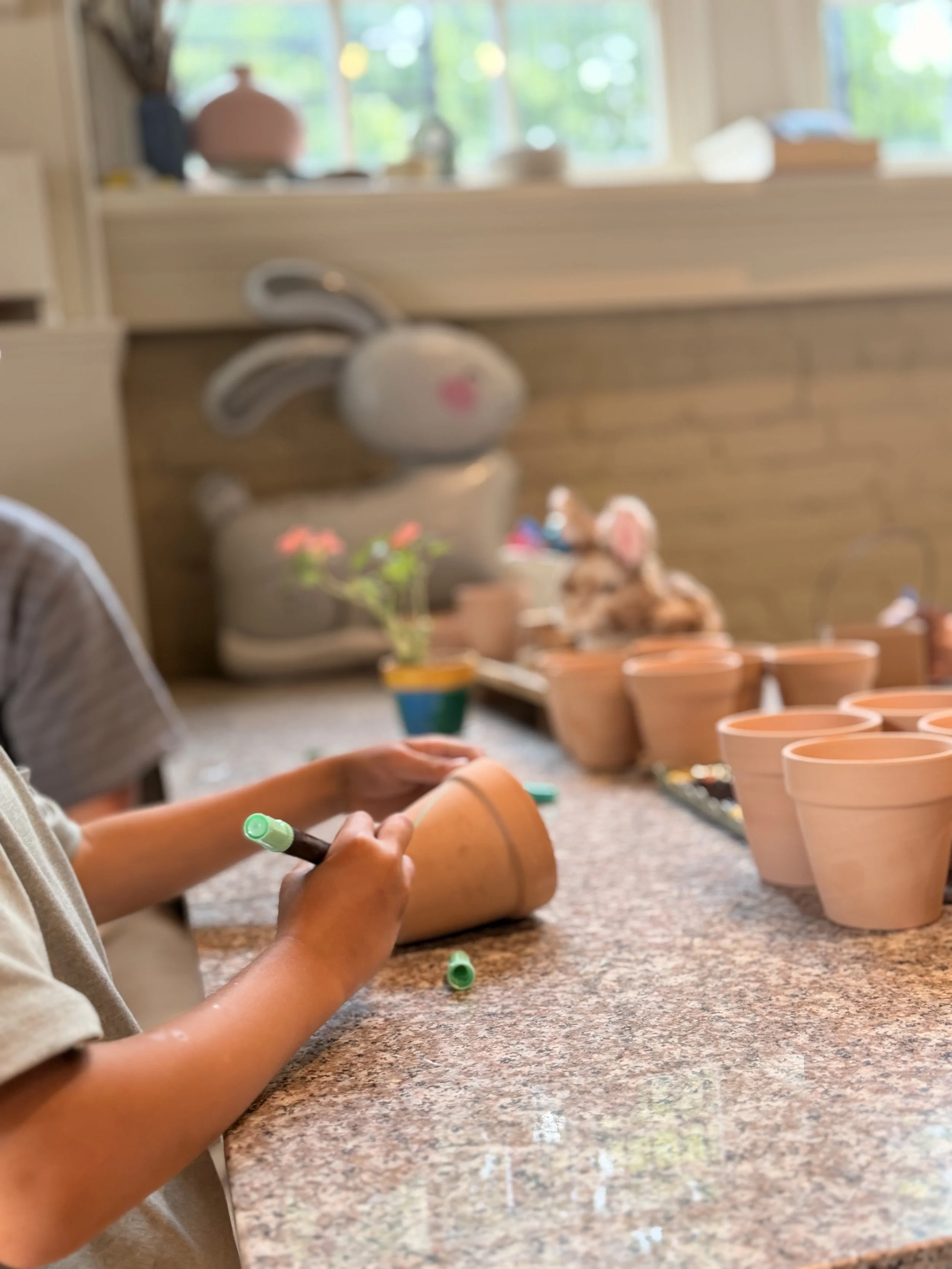
There are tall spaces and cosy enclosed areas, bright natural light and quieter places to retreat. Materials and activities can be changed to reflect children's interests and needs. The thinking draws partly on the Reggio Emilia educational philosophy, which recognises children as capable, curious learners and describes the environment as the 'third teacher'.
At Trail House, the environment is designed to invite learning without constantly directing it. Children lead their own exploration, with practitioners observing, understanding and responding to their individual strengths and interests.
When nature changes everything
One particularly moving example shared by the team concerned a young boy who initially found it extremely difficult to leave his car, having developed a strong association between indoor environments and the anxiety he experienced at school and in clinical settings.
Rather than insist he enter the building, his therapist met him outside. They played basketball, used the swing in the woods and gradually built trust, without pressure or expectations. It took weeks before he felt comfortable enough to come inside.
Eventually, the team saw a remarkable change. He was running barefoot through the corn pit, moving freely between indoors and outdoors and enjoying experiences that had once seemed impossible. His parents and sibling were also spending time on the trails, staying late into the evening and enjoying the space together.
The changes were beginning to transfer into family life, too. A child who had previously struggled with unfamiliar situations was becoming more confident and comfortable when family visited. It is a reminder that wellbeing isn't necessarily achieved by asking children to adapt to their environment. Sometimes, we need to change the environment to meet them.
A lesson for all our buildings
The team's ambition now extends beyond Trail House. Through the Elm Grove Foundation, they want to share their research, design principles and therapeutic approach with schools, healthcare settings and other organisations, helping more people create environments that support neurodivergent children and their families.
And their message to architects, designers and specifiers? Start with what makes people feel good.
Biophilic design doesn't have to mean expensive transformations or ambitious building projects. A few more plants, natural materials, beautiful tactile surfaces, access to fresh air or opportunities to see and experience nature can all make a difference.
As the team reflects, the things that help neurodivergent children flourish are not exclusive to them. Natural light, movement, beauty, connection and the freedom to explore are fundamental human needs.
Trail House demonstrates what becomes possible when we put those needs at the heart of design. It is not simply a therapy centre with a beautiful natural setting. It is an example of how thoughtfully designed environments, rooted in nature, can help children and families feel safer, more connected and more able to flourish.
To find out more visit:
What is Biophilic Design? https://journalofbiophilicdesign.com/what-is-biophilic-design
Find out more about how Biophilic Design supports Childhood development: https://journalofbiophilicdesign.com/shop/journal-of-biophilic-design-issue-13-childhood
Find out more how Biophilic Design supports neurodivergence:
Want a free copy of the Journal? Visit: https://journalofbiophilicdesign.com/free-materials-issue
The world of biophilic design delivered to you – join us: https://mailchi.mp/journalofbiophilicdesign.com/50-free-subscription-promotion
Podcast with Cole’s father, and TEDx speaker, Criswell Davis, a lifelong campaigner for wood and Biophilic Design, our Workplace issue was dedicated to him after he passed: https://journalofbiophilicdesign.com/podcast-journal-of-biophilic-design/biophilic-design-wood-trees
We also support the Criswell Davis scholarship: https://timberandforestry.org/criswell-davis-scholarship/
Credits: with thanks to George Harvey Audio Production for the calming biophilic soundscape that backs all of our podcasts.
Listen to our podcast on Audible, Amazon Music, Spotify, iTunes, YouTube and all the RSS feeds.
https://www.facebook.com/journalofbiophilicdesign/
https://www.linkedin.com/company/journalofbiophilicdesign/
https://www.instagram.com/journalofbiophilicdesign
If you like this, please subscribe!