The King’s Speech this week placed housing, clean water, energy independence, infrastructure and climate resilience firmly at the centre of the national conversation. For those of us working in and advocating for Biophilic Design, this moment matters deeply, because the ambitions outlined by government cannot truly succeed without a more fundamental shift in how we design places for people and planet.
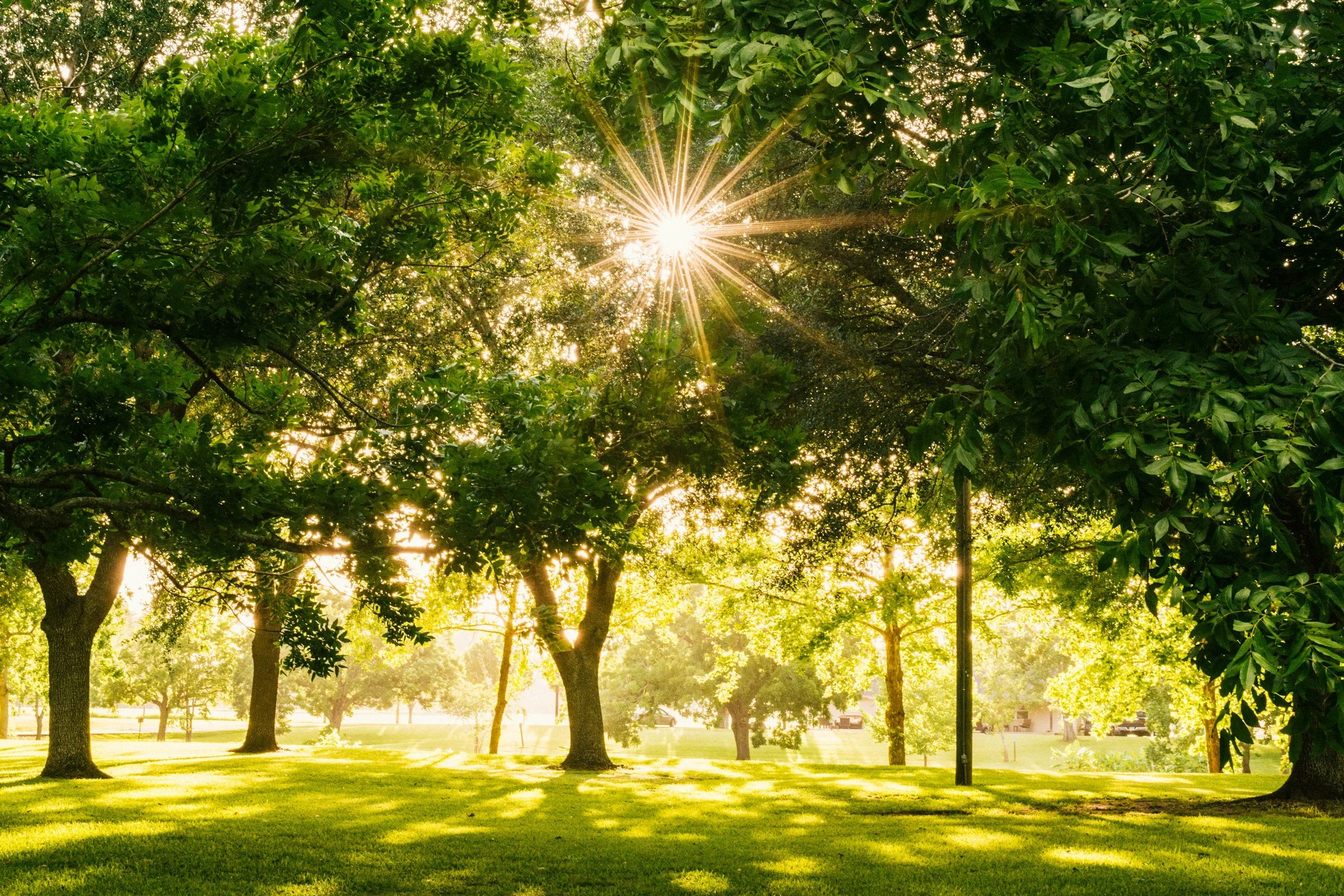
Biophilic Design is often misunderstood as simply adding greenery to buildings. In reality, it is a systems-thinking approach that reconnects human beings with nature through the design of homes, streets, workplaces, schools, healthcare settings and public space. It is about creating environments that function more like living ecosystems — healthier, more resilient, lower carbon, socially connected and better adapted to climate pressures. In many ways, Biophilic Design sits above all other solutions because it connects health, energy, biodiversity, water management, placemaking and social wellbeing into one integrated framework.
As government seeks energy independence, practitioners in Biophilic Design have an enormous contribution to make. We know that buildings designed with better natural daylight reduce reliance on artificial lighting and support circadian health, focus, productivity and mental wellbeing. Passive solar design, tree placement and living façades can help cool buildings in summer and insulate them in winter, reducing dependence on mechanical heating and cooling systems. Green roofs and vertical planting help lower urban heat island effects, while increasing biodiversity and improving air quality at street level.
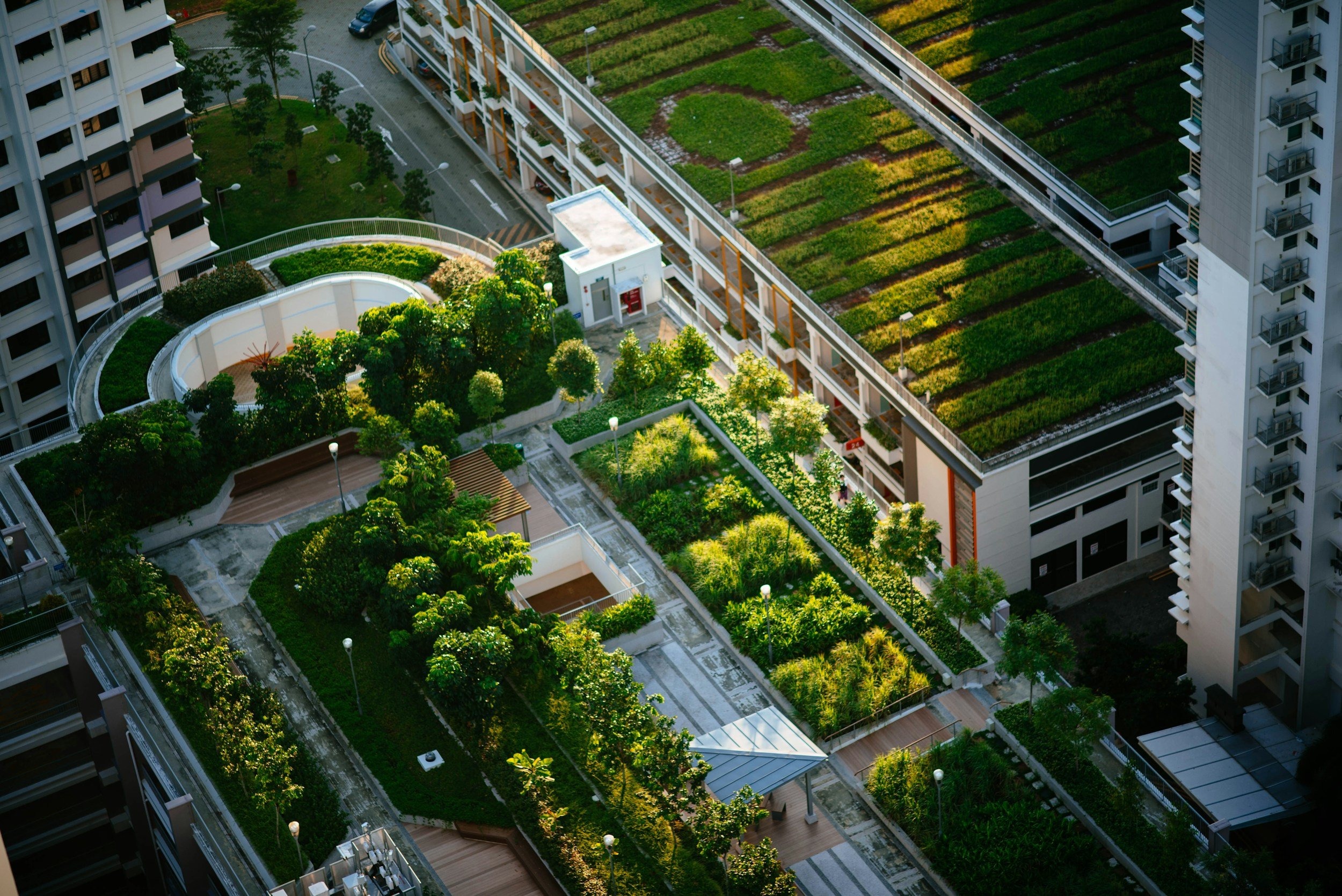
This is not aesthetic window dressing; it is practical climate adaptation. If we reduce overheating in cities naturally, reduce stormwater runoff naturally, improve insulation naturally and support mental health naturally, we also reduce pressure on national infrastructure and healthcare systems.
The proposed investment in social housing is particularly important. The UK has an opportunity not only to build more homes, but to build healthier homes. Too often social housing has historically prioritised speed and minimum compliance over long-term human wellbeing. Biophilic Design asks a different question: how do we help people flourish where they live?
That can mean designing neighbourhoods around biodiversity-rich green corridors and pocket parks that encourage walking, social interaction and outdoor play. It can mean creating streets planted with trees and rain gardens that support Sustainable Drainage Systems (SUDs), reducing flood risk while cooling urban environments. It can mean integrating communal growing spaces and edible landscapes that encourage food resilience and neighbourly connection.

Even sound matters. Research increasingly shows that our brains respond positively to non-rhythmic natural sounds such as birdsong, flowing water and rustling leaves. In dense urban environments dominated by traffic noise and mechanical systems, introducing biodiverse landscapes can improve the acoustic quality of neighbourhoods and support mental restoration. Soundscaping through nature is not a luxury; it is part of creating psychologically healthy communities.
We should also think more boldly about the materials and systems we invest in. Moss cladding and living walls can transform hard urban surfaces into visually rich, cooling and pollution-filtering environments. These interventions can improve civic pride and placemaking, helping people feel more emotionally connected to where they live. Green infrastructure should not be treated as an optional add-on after “core” development has been delivered. It is core infrastructure.
The King’s Speech also highlighted clean water as a national priority. Nature-based biophilic solutions can play a significant role here too. Wetlands, bioswales, urban planting schemes and permeable landscapes naturally filter pollutants and slow water movement through cities. Restoring coastal ecosystems and supporting regenerative marine systems such as oyster farms can help clean waterways while creating new economic opportunities through habitat restoration and circular byproducts that support manufacturing and other industries.

Practitioners in Biophilic Design can help shift the conversation from short-term construction targets to long-term environmental and social resilience. We can help planners, developers, local authorities and communities think beyond isolated interventions towards interconnected systems that improve health outcomes, biodiversity and resource efficiency simultaneously.
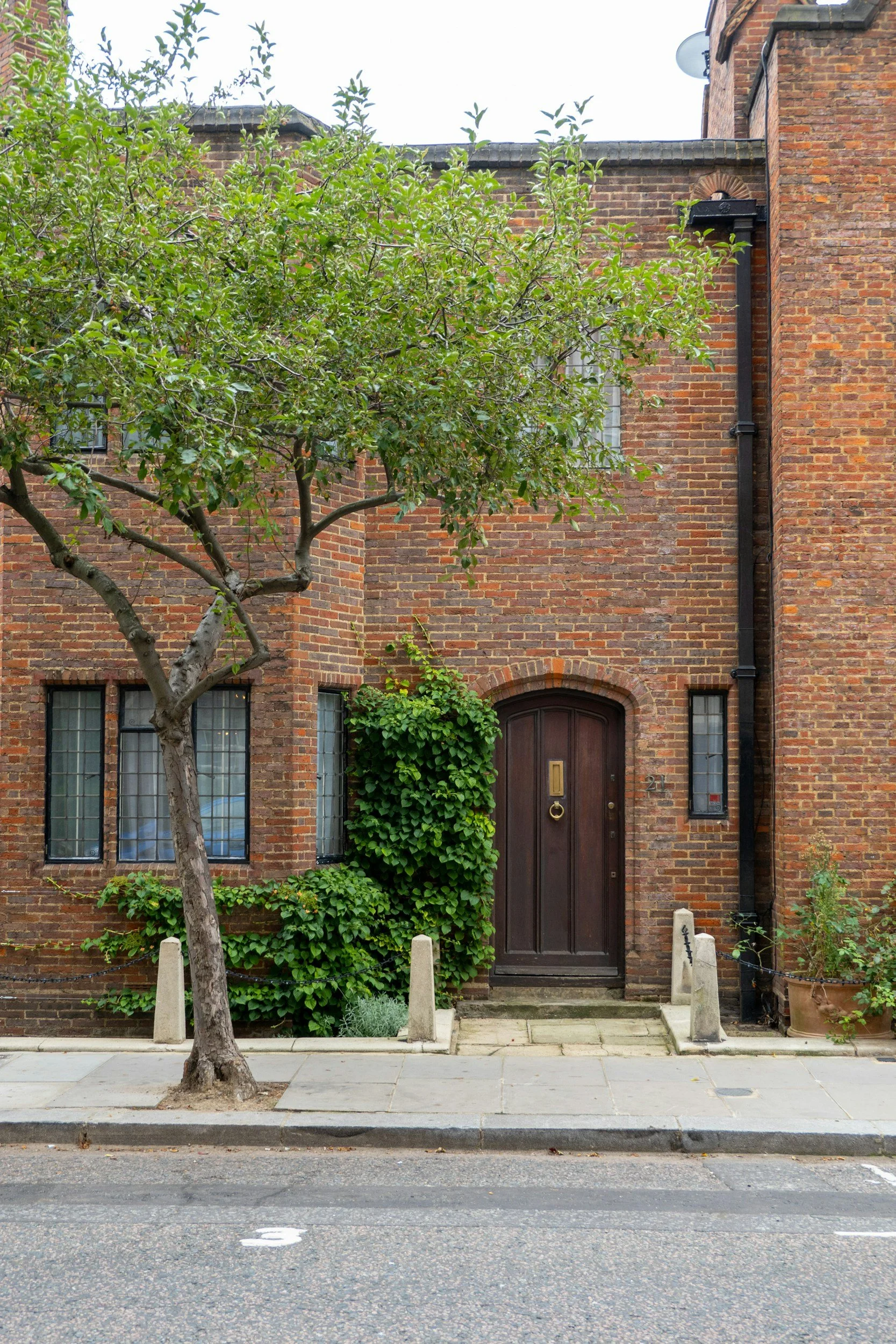
There are already many practical actions we can take now. We can prioritise street trees and connected urban forests to cool cities and improve air quality. We can embed SUDs into every major streetscape project rather than relying solely on underground drainage infrastructure. We can design social housing with dual-aspect daylight, natural ventilation and shared green courtyards to support both energy efficiency and community cohesion. We can increase investment in living walls, moss façades and biodiversity-rich planting that reduce heat stress and improve mental wellbeing. And we can restore urban waterways, wetlands and oyster habitats as part of a wider nature-based approach to water resilience.
Biophilic Design is not just a niche conversation within architecture and interiors. It is becoming central to how we address the overlapping crises of climate change, biodiversity loss, public health pressures and social fragmentation. The government’s ambitions around housing, energy and clean water will require technical innovation, but they will also require cultural imagination — a willingness to design places that work with nature rather than against it.
Even if we focus only on the social housing agenda outlined this week, we have an extraordinary opportunity ahead of us. Let us not simply build more homes. Let us build places where people can sleep better, think better, connect better and live healthier lives. Let us embrace biophilic solutions that genuinely improve outcomes for both people and planet.
Dr Vanessa Champion, Founder & Editor, Journal of Biophilic Design. www.journalofbiophilicdesign.com