From March 2027, England's new Future Homes and Buildings Standards will fundamentally change the way we design new homes. Among the most significant amendments is the introduction of a new functional requirement (L3), requiring on-site renewable electricity generation for new dwellings and residential buildings. At the same time, Part L of the Building Regulations shifts its emphasis beyond simply conserving energy to also reducing greenhouse gas emissions.
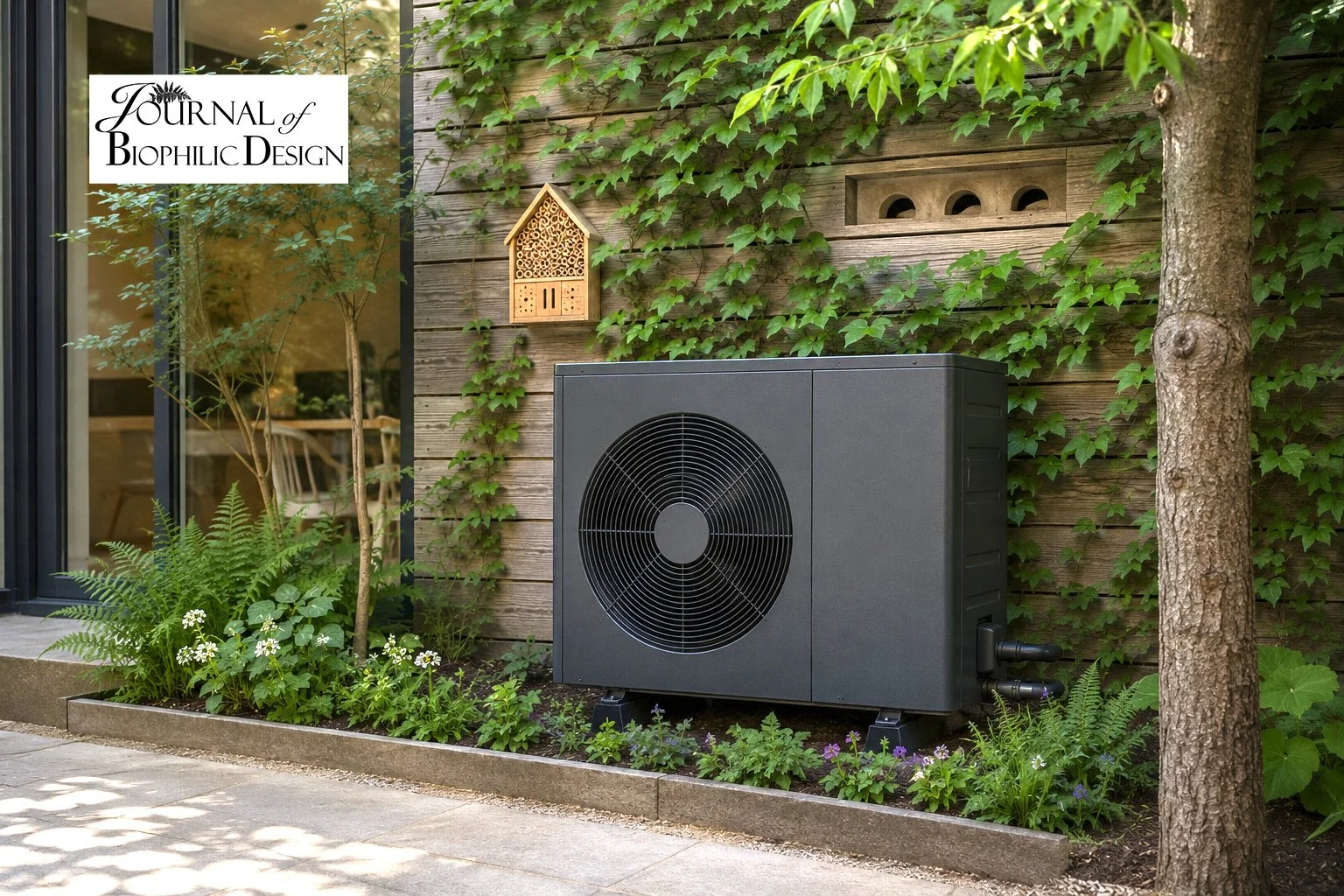
For architects, designers, planners and developers, the conversation has understandably centred around technologies such as solar photovoltaics, heat pumps and smart controls. Yet there is a danger that renewable systems become viewed as solutions in isolation. Technology performs best when it works with nature rather than against it—and that is precisely where Biophilic Design has an important role to play.
Biophilic Design is often associated with planting, biodiversity and occupant wellbeing, but at its core it is about understanding natural systems. Before selecting renewable technologies, we should first ask: how does this site already work? Where does the sun travel? How do prevailing winds move across the landscape? Which existing trees provide seasonal shade? How can natural daylight reduce the need for artificial lighting? These are biophilic questions, but they are also questions of building performance.
Solar panels, for example, are more productive when roofs are correctly orientated and free from unnecessary overheating. External planting and carefully positioned deciduous trees can reduce summer heat gain without compromising valuable winter sunlight, lowering cooling demand while maintaining photovoltaic efficiency. Green roofs can moderate roof temperatures, extending the lifespan and performance of rooftop systems. Natural ventilation strategies, informed by local wind patterns, reduce reliance on mechanical cooling while improving indoor air quality.
Material choices also become part of this wider picture. Natural, low-carbon materials such as timber, cork, hemp and other bio-based products frequently embody less carbon than conventional alternatives while contributing to healthier indoor environments. When combined with passive solar design, high levels of insulation and renewable technologies, they help create buildings that consume less energy before renewable systems even begin generating electricity.
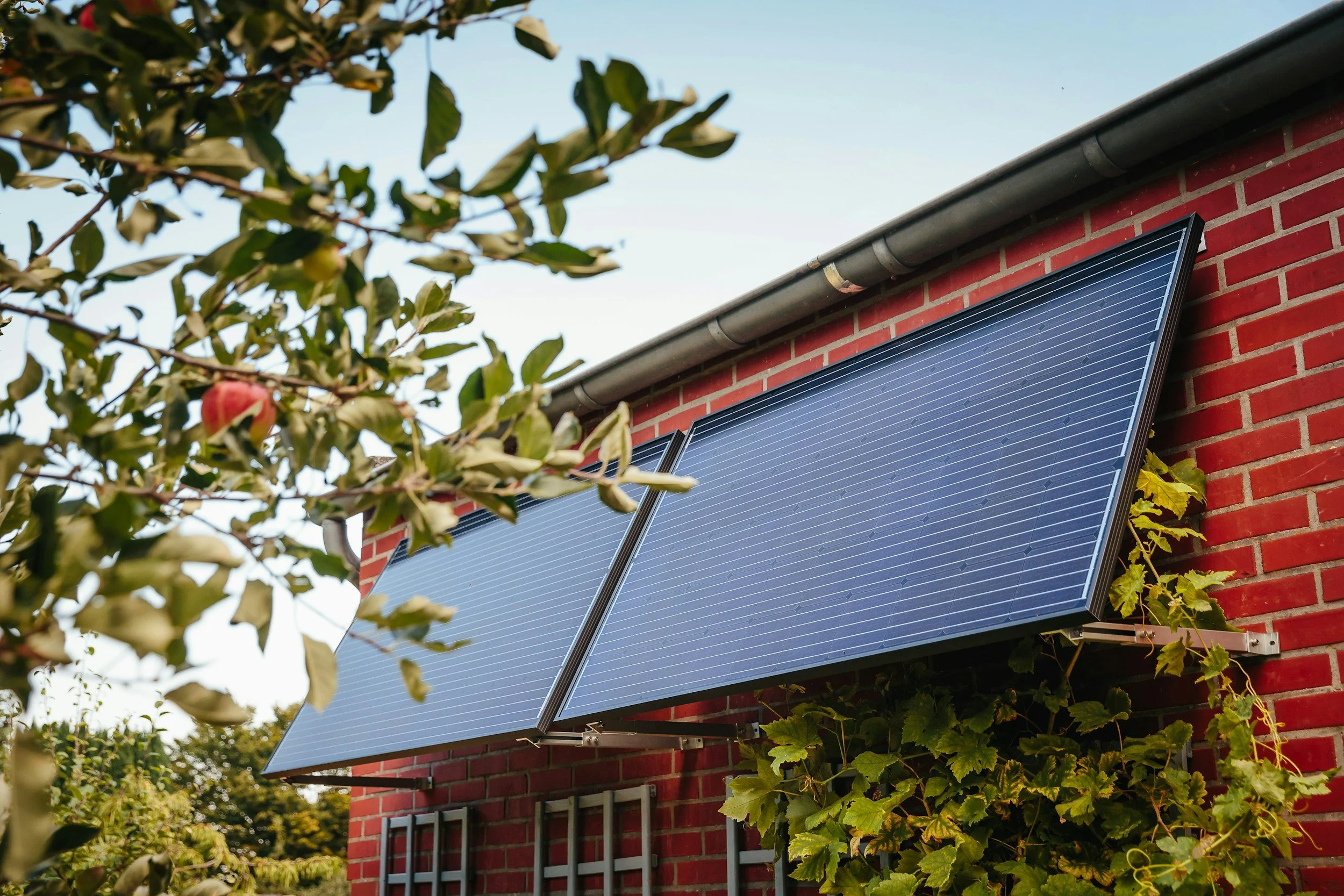
This is perhaps the greatest opportunity presented by the Future Homes and Buildings Standards. Rather than asking how many technologies can be added to a building, we should ask how intelligently the building itself has been designed. Renewable energy should not compensate for poor orientation, excessive overheating or inefficient layouts. Instead, buildings should be conceived as living systems where architecture, landscape, ecology and technology work together.
Biophilic Design provides exactly this systems-thinking approach. It encourages designers to begin with climate, ecology and human experience before layering on renewable technologies. The result is not only lower operational carbon, but buildings that are healthier, more resilient and more enjoyable places to live.
The Future Homes and Buildings Standards set an ambitious destination. Biophilic Design offers a practical route to getting there—ensuring that renewable energy systems don't simply exist on our buildings, but perform at their very best because the buildings themselves have been designed in harmony with nature.
Also let’s design these heat pumps with a more design led approach, they are so ugly!
Function doesn’t have to be grey or black boxes, the Victorians created industrial scale machines that were things of beauty, with our technology, global skill, and innovation, surely someone can come up with a more Biophilic Design?!
What are your thoughts?
Want to know more about Biophilc Design: What is Biophilic Design?
This is the link to the information on the UK Gov website: https://www.gov.uk/government/publications/the-future-homes-and-buildings-standards-building-circular-012026/the-future-homes-and-buildings-standards-building-circular-012026-letter