Reflections on materiality, perception and the hidden stories within the materials that shape our world
Dr Vanessa Champion
What if the materials we think we know aren't quite what they seem? What if the basalt in the table conveys history and crossings of cultures? Or the seemingly ordinary piece of paper has had a thousand hours of human attention invested in it?
These were among the questions prompted by an absorbing Keynote lecture by academic art historian Glenn Adamson, whose exploration of The Inherent Intelligence of Materials at Material Matters’ Assemble event on 19th November in London’s Hatton Garden, offered a fascinating invitation to reconsider our relationship with materials, materiality and the things we make.
Adamson's central proposition is that there is always a gap between what we think we know about a material and what it actually is. He describes this as a kind of productive ignorance: the space between our assumptions and the reality of the material itself. It is in that space, he suggests, that curiosity, discovery and deeper understanding begin.
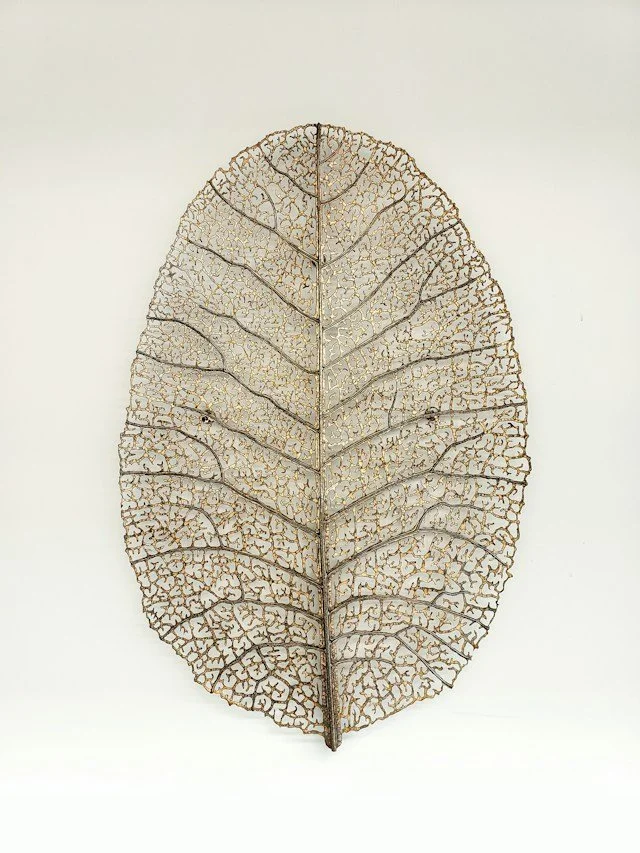
Through an extraordinary collection of artworks and objects, Adamson demonstrated how easily our perceptions can be challenged. A cube that appears to be solid steel might contain internal bracing. A glossy black box might actually contain hundreds of gallons of printer's ink. A piece of paper might represent a thousand hours of someone simply sitting and looking at it.
These examples are playful, sometimes provocative, but they reveal something important, namely that materials have stories, properties and histories that aren't necessarily visible on the surface.
For those of us working in biophilic design, this has particularly significant implications.
We often talk about bringing nature into the built environment through natural materials, textures, patterns and references to the living world. But how often do we stop to question what those materials are actually made of? A wall finish might look like timber, stone or natural fibres, but could be an entirely synthetic product designed to replicate their appearance. A material that appears natural might have a complex industrial manufacturing process behind it.
This matters because Biophilic design should be about more than appearances. If we are serious about creating healthier, more sustainable and regenerative environments, we need to understand the materials we specify. What are their origins, composition, processing, durability, toxicity, embodied impacts and what happens to them at the end of their useful life?
It also opens up important conversations about the circular economy and generative design. Understanding a material's actual composition and behaviour is essential if we are to design products and buildings that can be repaired, reused, disassembled, repurposed or returned safely to biological or technical cycles. We cannot make informed decisions about circularity if we don't really understand what we are working with in the first place.
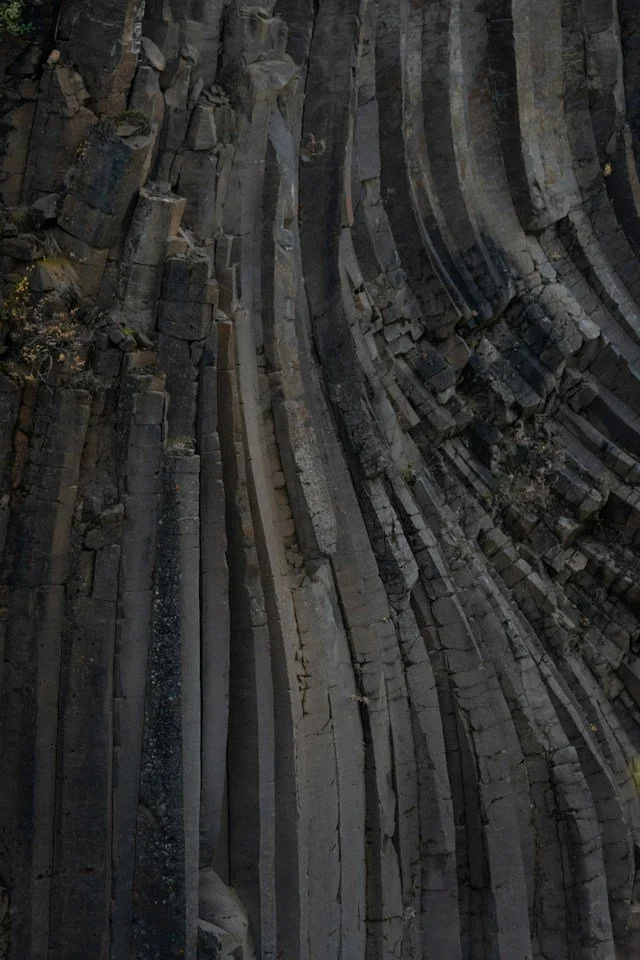
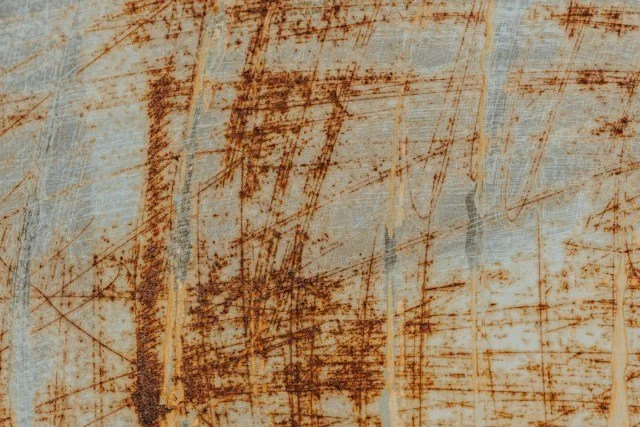
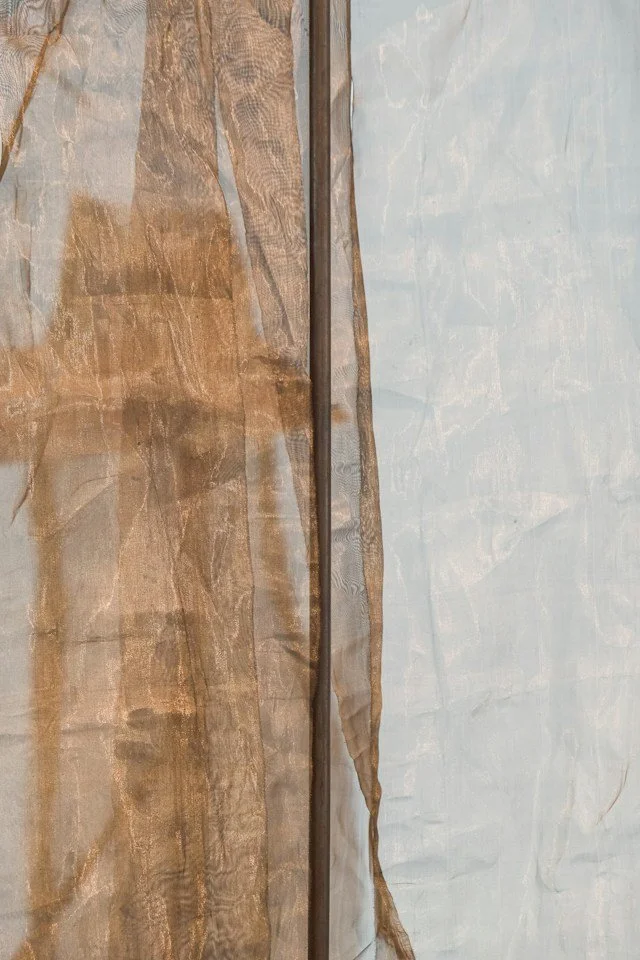
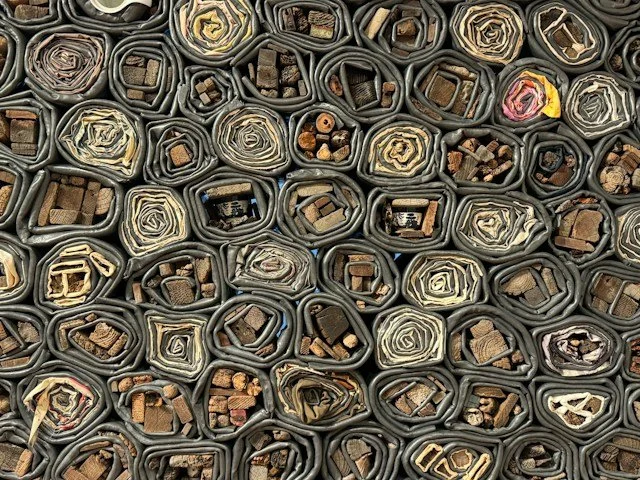
All of us bring different lenses to the conversation of materiality
Adamson's lecture also reminded us that material intelligence isn't confined to scientists, manufacturers or engineers. Artists, designers, craftspeople, historians and architects all bring different forms of knowledge to the conversation. Also, sometimes maybe we don't know enough, which this lecture reminded us all, and that sometimes being curious enough to find out can often bring more rewards than our initial supposition.
I know I frequently bang on about how we should be talking much more about what things are made off, that we should be asking better questions of manufacturers, sharing knowledge across disciplines and getting genuinely excited about the extraordinary properties, possibilities and stories held within materials. This lecture really stimulated conversation in the room. There is so much to discover, from the geological histories of stone and the microscopic structures of timber to the remarkable optical properties of glass, the potential of bio-based materials and the emerging possibilities of materials grown, rather than manufactured.
Materiality is not a dry technical subject. It is cultural, ecological, scientific, philosophical and deeply human. Materials influence how we feel, what we value, how we build and how we relate to the natural world.
For biophilic designers, perhaps the challenge is to look beyond what a material appears to be and become much more interested in what it really is. Because the more we understand about the materials that surround us, the better equipped we are to make choices that support the flourishing of people and planet.
To find out more about the Material Matters events visit: https://materialmatters.design
To be inspired by Materials have a read of our Materials issue here for free: https://journalofbiophilicdesign.com/free-materials-issue