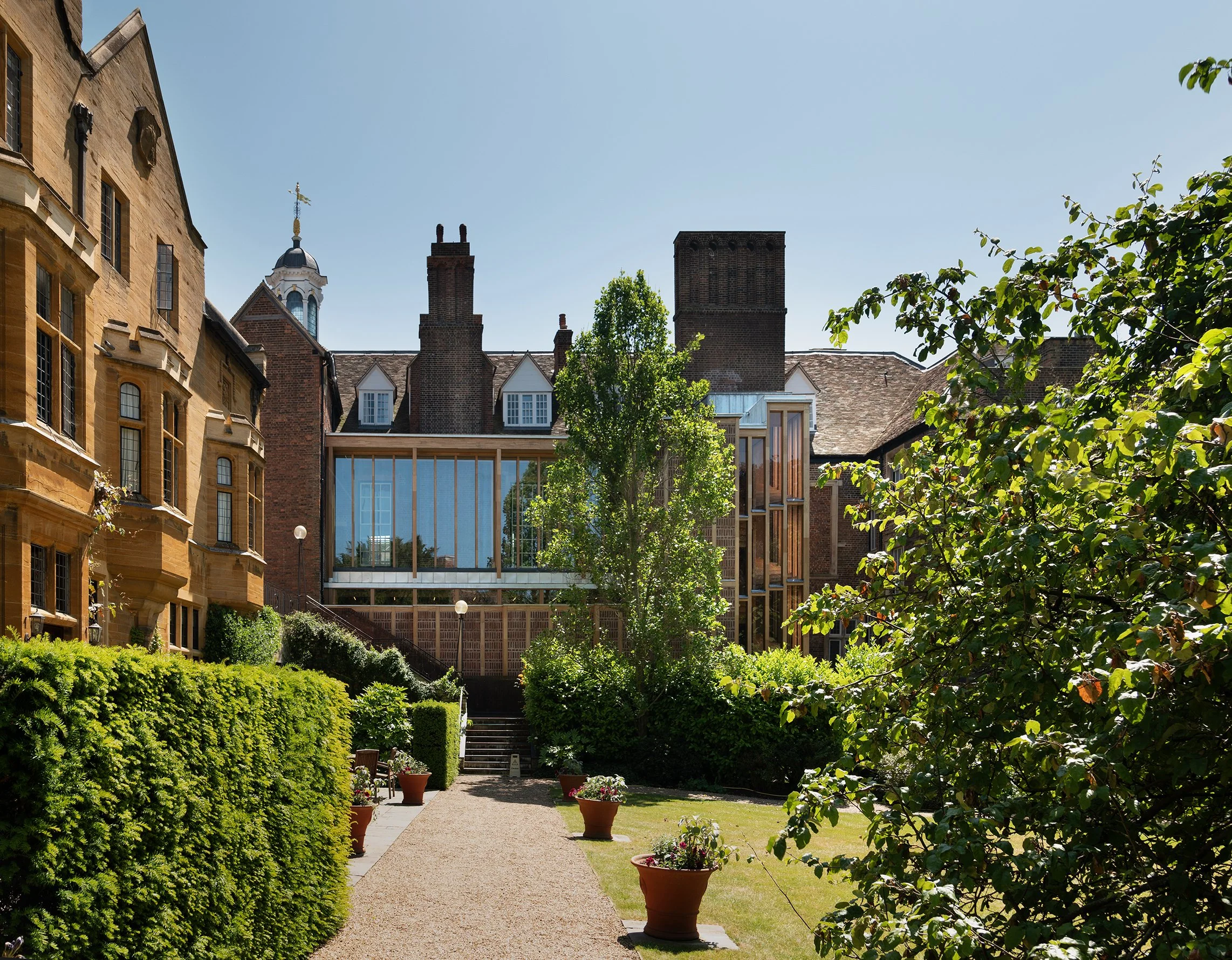
River Wing, Clare College, photo Philip Vile
Every year the Stirling Prize celebrates architectural excellence. This year, however, another story emerges. Look beyond the headlines and a pattern begins to reveal itself. Britain’s best new buildings are increasingly embracing many of the principles of biophilic design, whether they call it that or not.
Beneath the discussion of materials, detailing and craftsmanship lies a common thread that is increasingly shaping Britain’s best architecture: a deeper connection between people, place and nature.
Whether through the warmth of timber, generous natural light, restorative views, biodiverse landscapes or carefully crafted communal spaces, many of this year’s shortlisted buildings demonstrate principles long championed by the Journal of Biophilic Design. They remind us that architecture is at its best when it supports both environmental resilience and human wellbeing.
Natural materials – timber, brick with tactile qualities, exposed structure and honest materiality.
Prospect and refuge – long views balanced with sheltered places to gather.
Natural light – daylight used as a design material rather than simply illumination.
Connection with living systems – landscapes, rivers, planting and seasonal change.
Community – courtyards, shared gardens, public squares and informal meeting places.
Awe and delight – spaces that inspire curiosity, wonder and emotional connection.
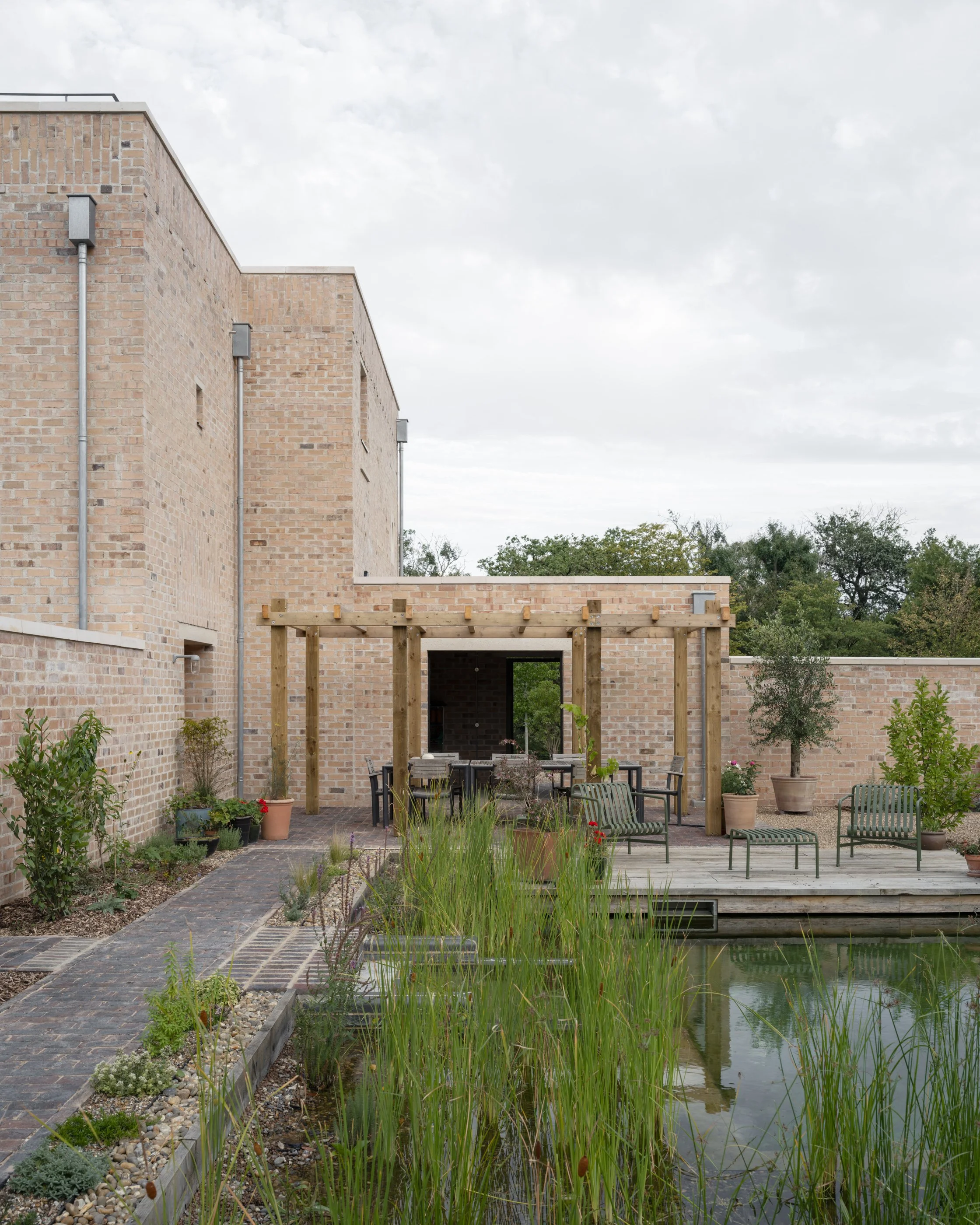
A house at Fairmead High Beach Epping Forest, photo Johan Dehlin
Fairmead House
Situated beside Epping Forest, the project demonstrates perhaps the clearest physical relationship with nature. Rather than dominating its landscape, the house frames views into the woodland, allowing changing seasons to become part of everyday life. This continual visual connection with living systems is one of the strongest predictors of psychological restoration identified within biophilic research. The restrained palette of natural materials reinforces that relationship rather than competing with it.
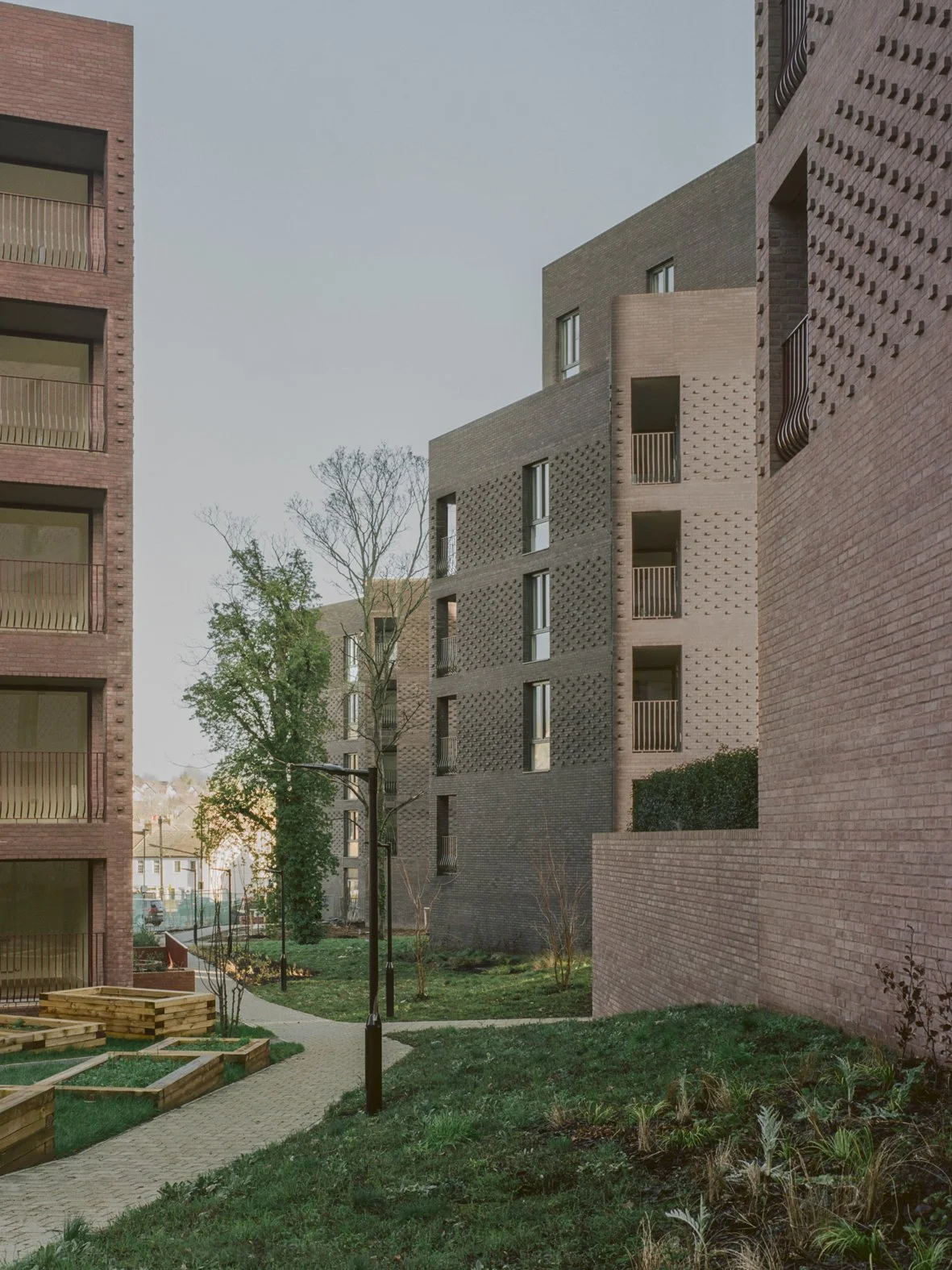
Lion Green Road photo Lorenzo Zandri
Lion Green Road
Housing is often judged by density and numbers, yet this scheme succeeds because it places landscape at its heart. Buildings are arranged around a generous green setting with shared outdoor spaces encouraging spontaneous encounters between neighbours. Biophilic Design has always recognised that connection to nature also means connection to one another. Social wellbeing is inseparable from environmental wellbeing.
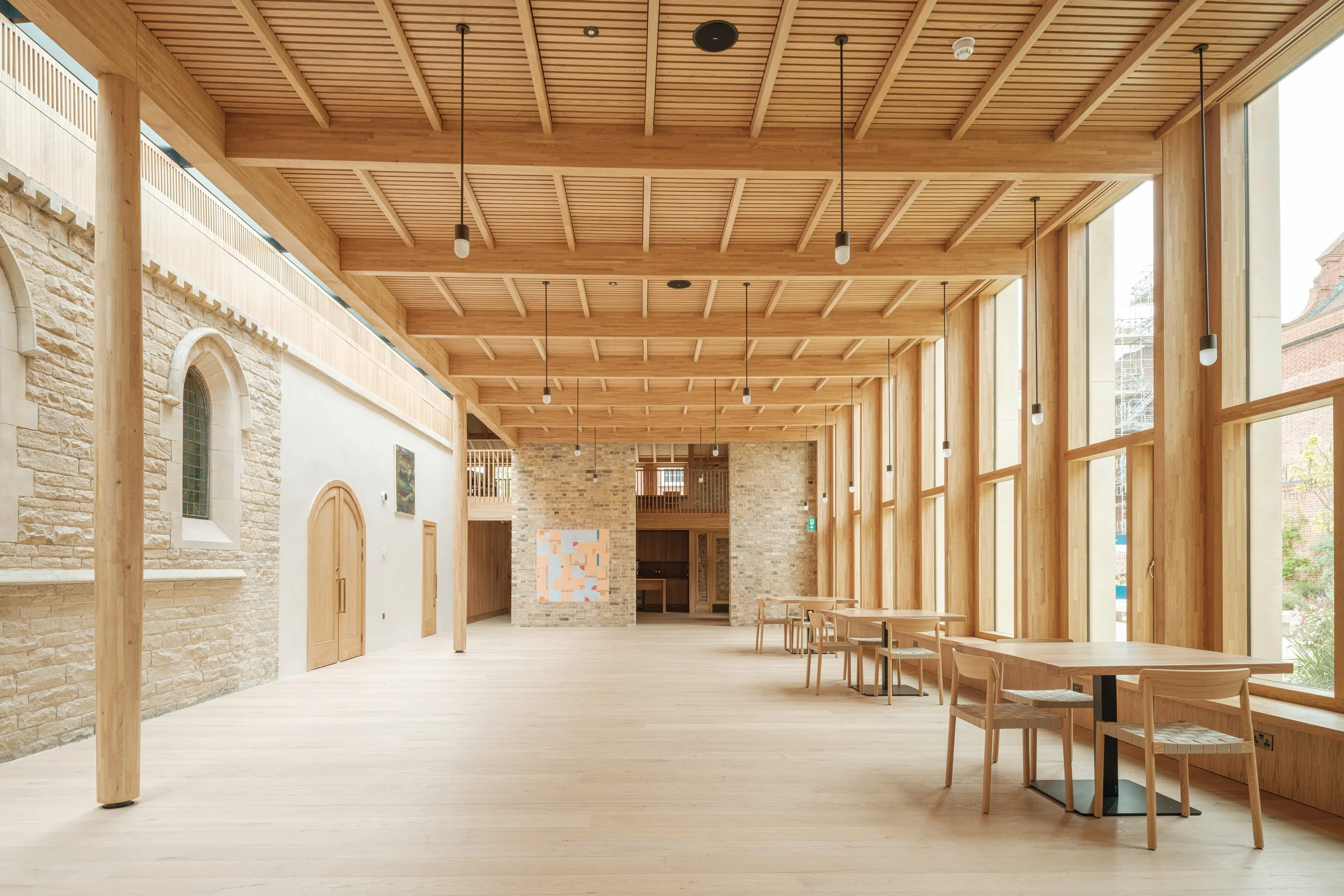
Pembroke Mill Lane, photo Fred Howarth
Pembroke College
The adaptive reuse of an existing church alongside new collegiate spaces demonstrates another overlooked biophilic principle: attachment to place. Preserving historic fabric allows cultural memory to remain embedded within the environment while new courtyards and naturally lit interiors support learning, contemplation and community.
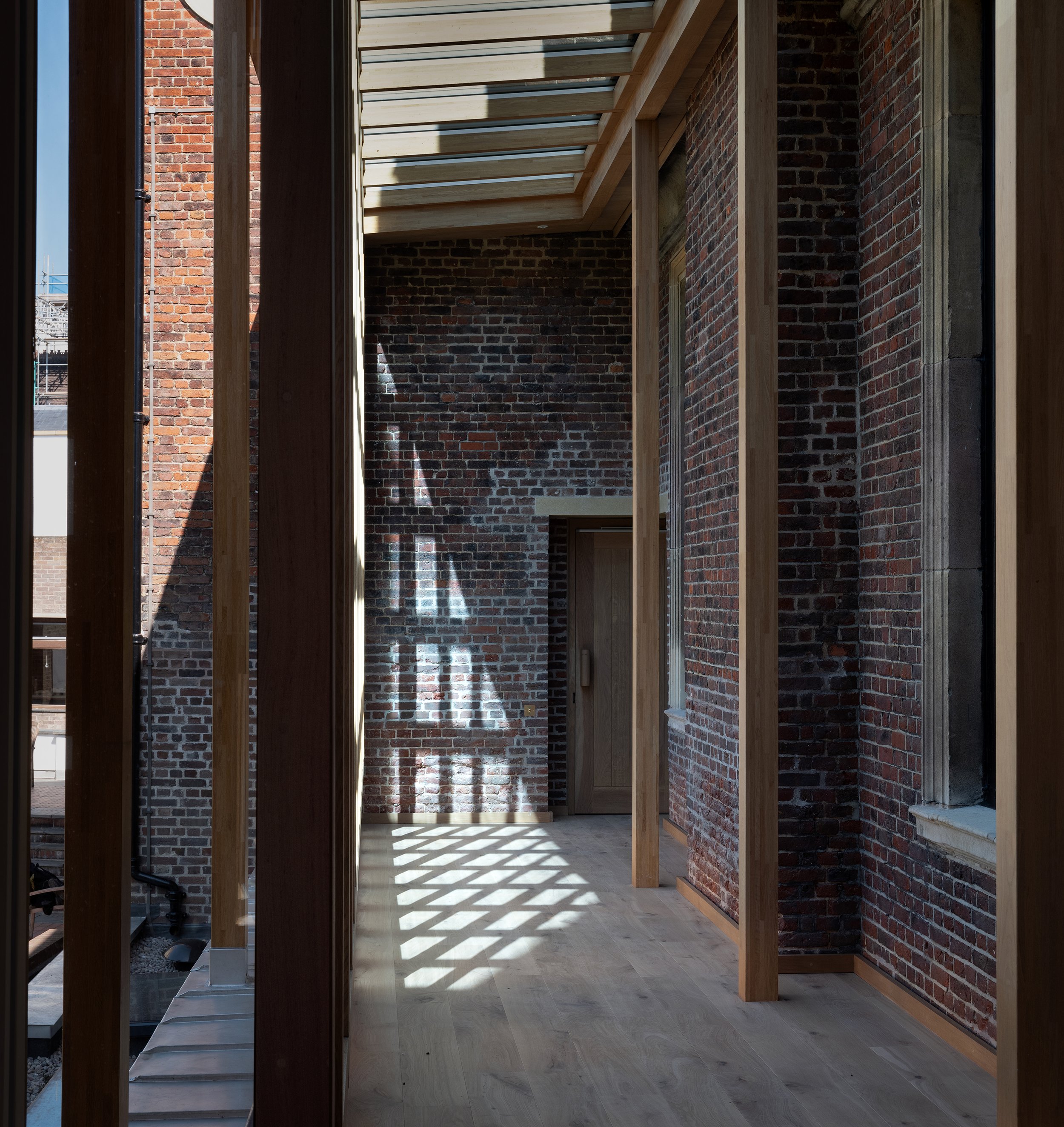
River Wing Clare College Cambridge, photo Philip Vile
River Wing, Clare College
This project’s relationship with the River Cam provides both visual and psychological value. Water has long been recognised as one of the most powerful elements in biophilic design, reducing stress while creating constantly changing sensory experiences through reflection, movement and sound. Timber construction further softens the architectural expression, creating warmth that contrasts with more industrial palettes.
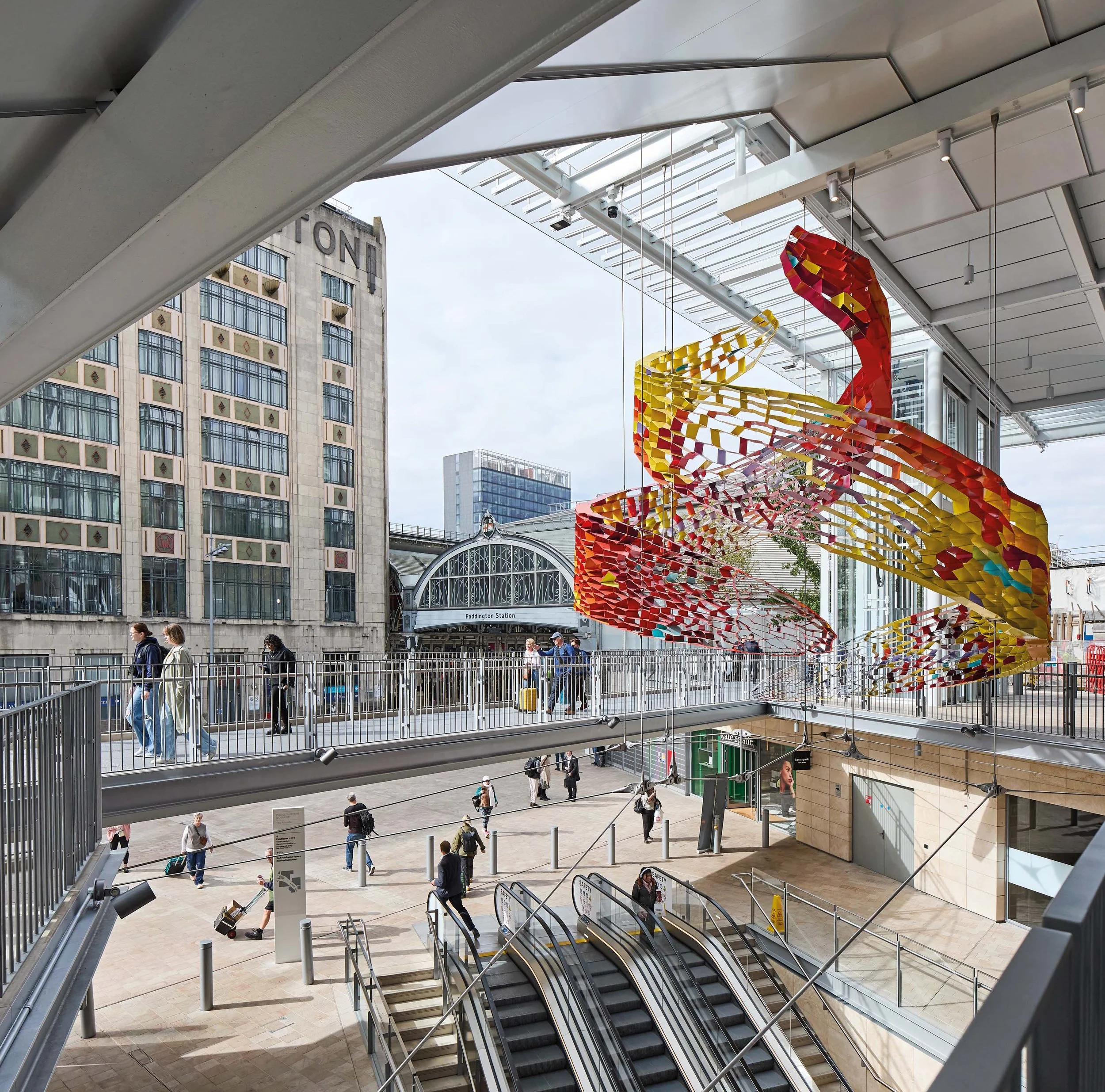
Paddington Square
Although at first glance it appears the least biophilic of the shortlist, its greatest achievement may be urban rather than material. By transforming the arrival experience into a generous public square, it creates opportunities for social interaction, orientation and daylight within one of London’s busiest transport hubs. Biophilia in cities is not only about planting; it is equally about creating healthier public places where people can pause, meet and navigate comfortably.
_______
Perhaps the most encouraging aspect of this year’s shortlist is not that every project contains trees or timber. Rather, it reflects a growing understanding that great architecture begins with human experience. Light, materiality, landscape, community, biodiversity and emotional connection are no longer peripheral considerations but central measures of quality.
For decades, Biophilic Design has argued that our buildings should work with nature rather than against it. The 2026 Stirling Prize shortlist suggests that many of Britain’s leading architects are now arriving at the same conclusion, whether they use the word biophilia or not. If this is the direction of contemporary architecture, it is one that offers genuine hope—for healthier people, stronger communities and a more regenerative built environment.
For more information on the RIBA Stirling prize visit: https://www.riba.org/news/stirling-prize-shortlist-2026/
Wondering what all this Biophilia is about? What is Biophilic Design? Find out more here.