The Glasshouse is using horticulture, employment and a deep connection with nature to give women leaving prison something they often desperately need: dignity, confidence and the chance to build a different future. I am joined by co-founder Kali Hamerton-Stove alongside Ri, who came through the programme herself and now works on the senior team.
A plant needs the right conditions, nourishment, care, light and time. Give it those things and given the opportunity, it grows. For Kali Hamerton-Stove, co-founder of The Glasshouse, this has become the foundation of an extraordinary social enterprise supporting women approaching the end of their prison sentences.
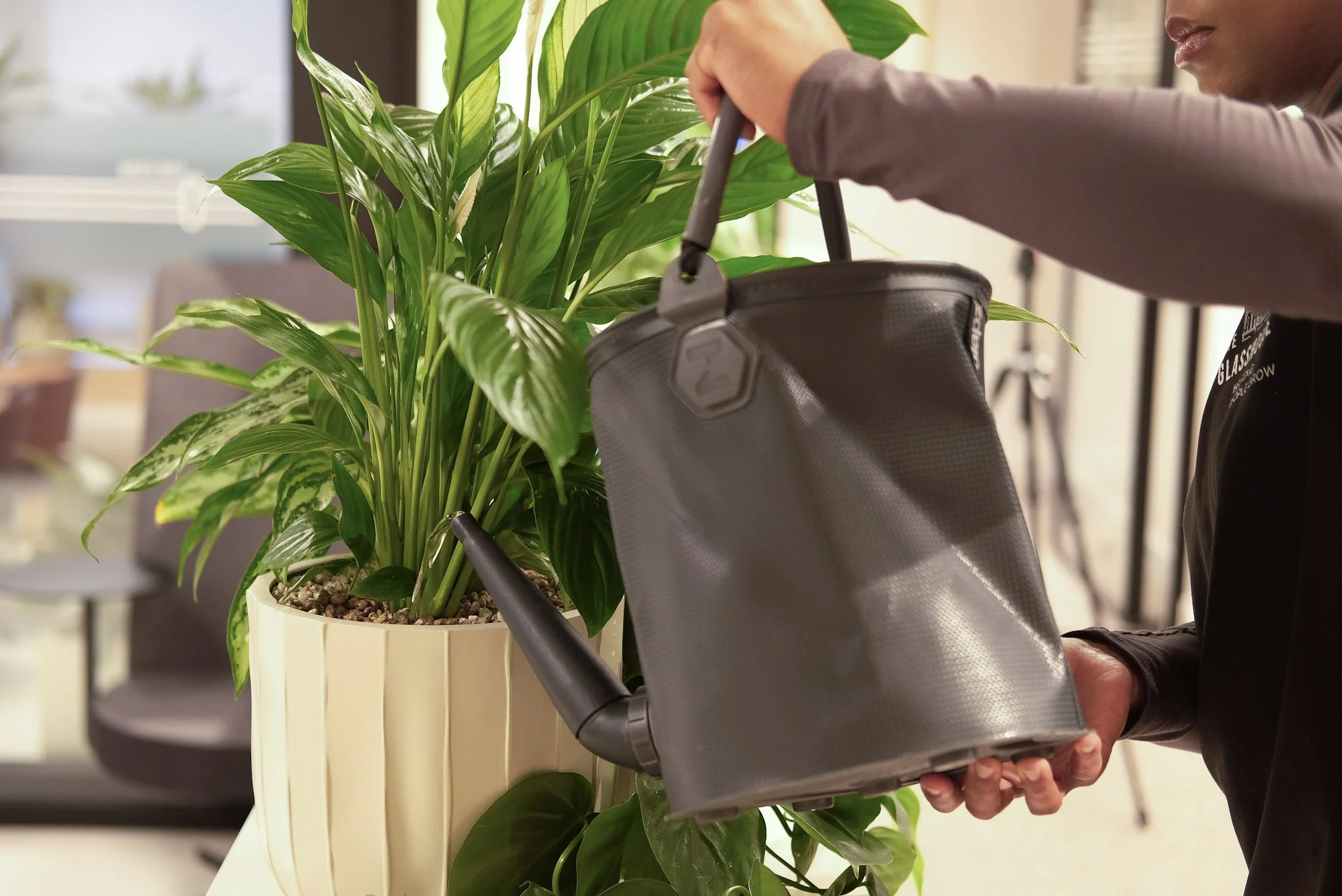
The Glasshouse credit Diana Yule
The Glasshouse began with disused greenhouses at HMP East Sutton Park, an open women's prison in Kent. Kali's friend Melissa had visited the prison and was struck by how difficult life could be for women approaching release. Finding safe housing and employment was a huge challenge, while the stigma attached to having been in prison created another barrier to rebuilding a life.
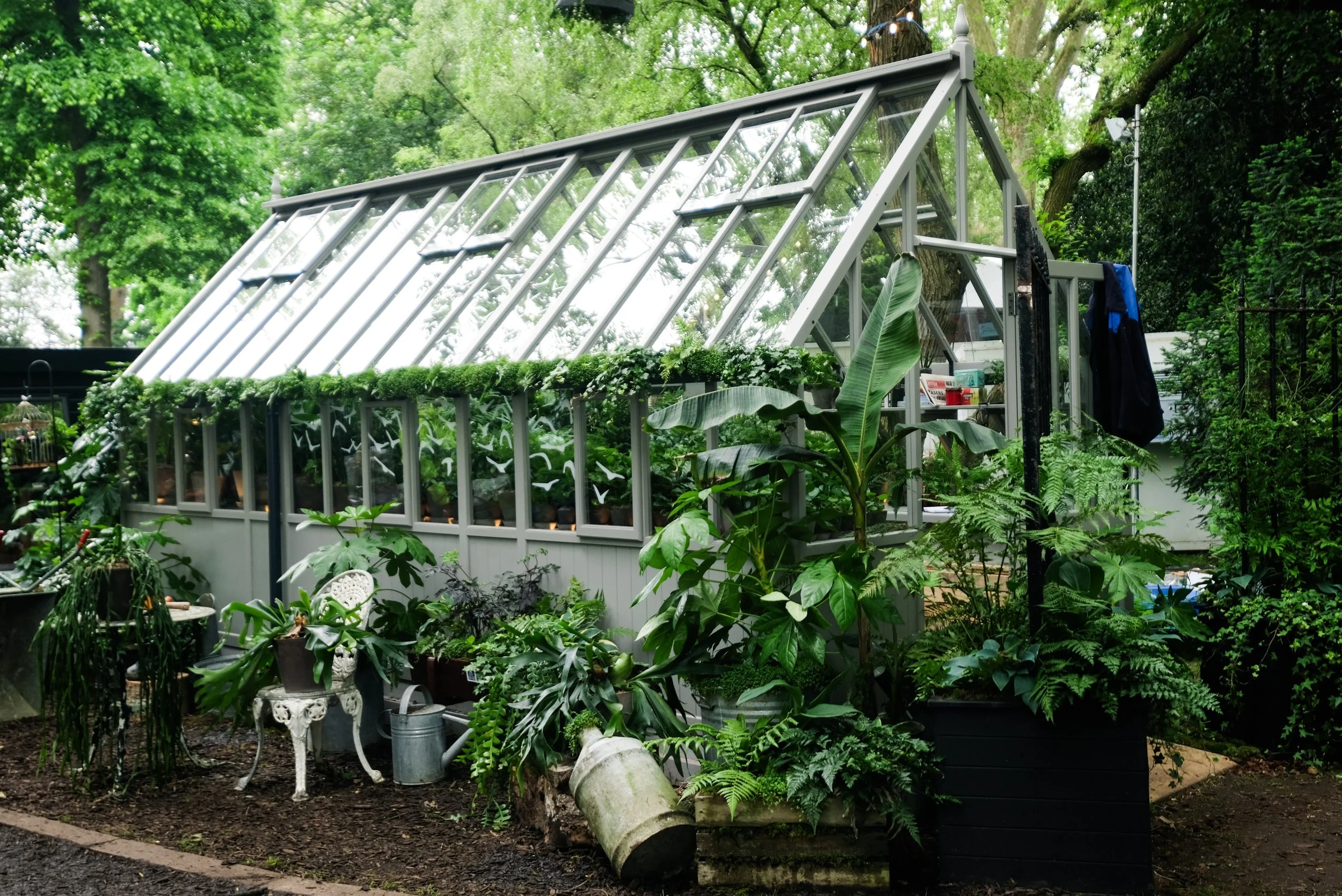
The Glasshouse Chelsea 2024 credit Diana Yule
The unused greenhouses suggested a possibility. Could they become somewhere women could learn horticultural skills, gain work experience and begin to imagine life beyond custody? Kali, whose own background is rooted in horticulture and a lifelong relationship with plants, helped develop the idea into a business plan. The proposal was put to the Ministry of Justice in 2020, and within around six weeks the first cohort of women was working with the Glasshouse.
The organisation has since developed into a commercial social enterprise, growing and nurturing houseplants and providing interior landscaping and plant maintenance for corporate clients. Women receive horticultural training and experience while still in custody, and the Glasshouse continues to support them after release with employment and the transition back into society.
But the story of the Glasshouse is about much more than horticulture. It is about what happens when someone is given the conditions in which they can rediscover their own value. Ri knows this from experience. She joined the Glasshouse programme while she was in custody, initially coming out on day release to work either in the shop or at the growing facility. It was in the growing facility that she says she "found her feet". Her explanation of why is particularly revealing.
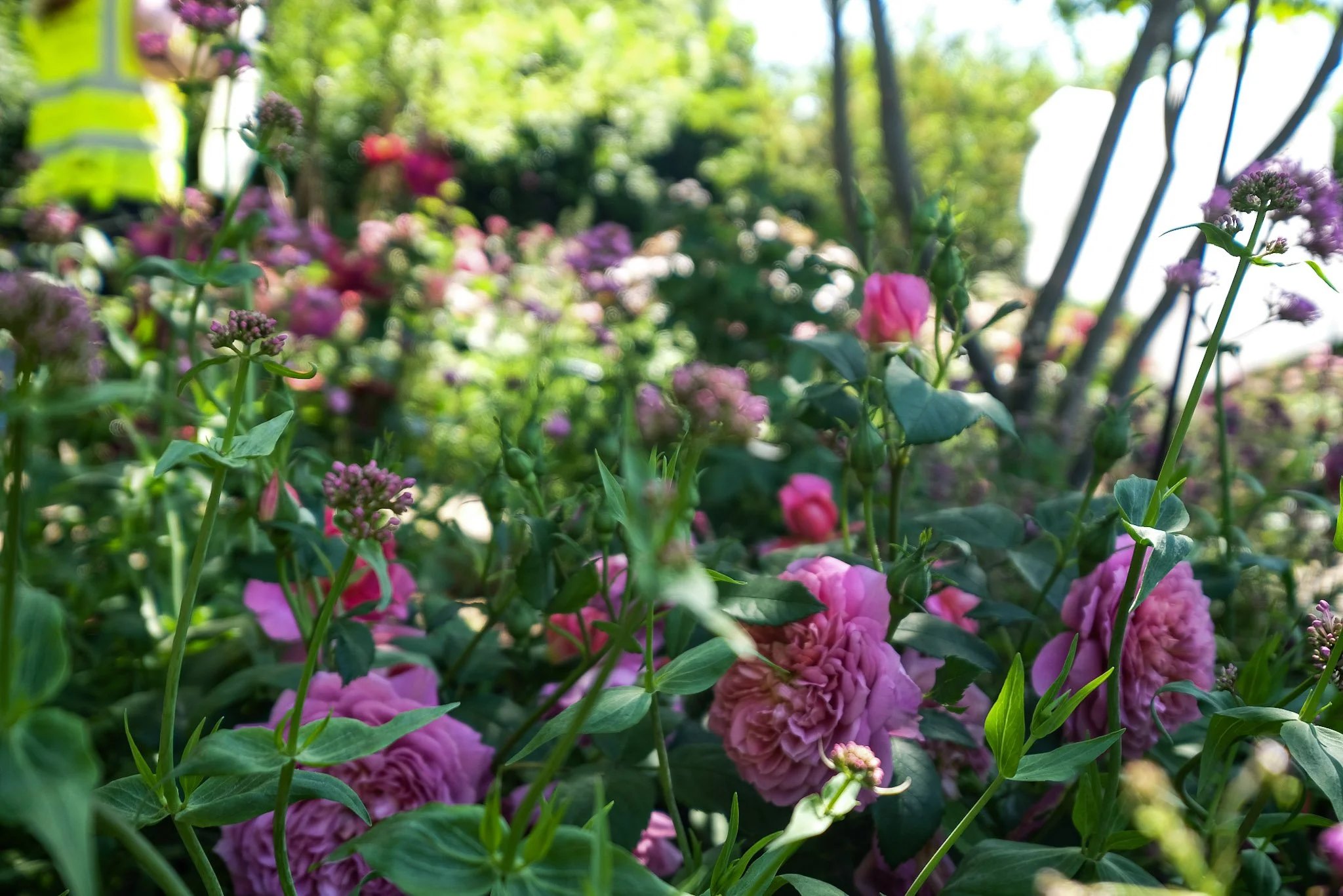
The Glasshouse Garden 2025 credit Diana Yule
"When women find themselves in custody," she explained, "I think what we lose is dignity, privacy and value." In the growing facility, something changed. She could work alone. She could care for plants that needed her. She could organise them, nurture them and watch them grow. The plants gave her a sense that she was needed, and therefore that she had value. "I could be alone there, so I could be brave enough to allow certain thoughts to come to the forefront that I might not be able to do whilst in custody," she said.
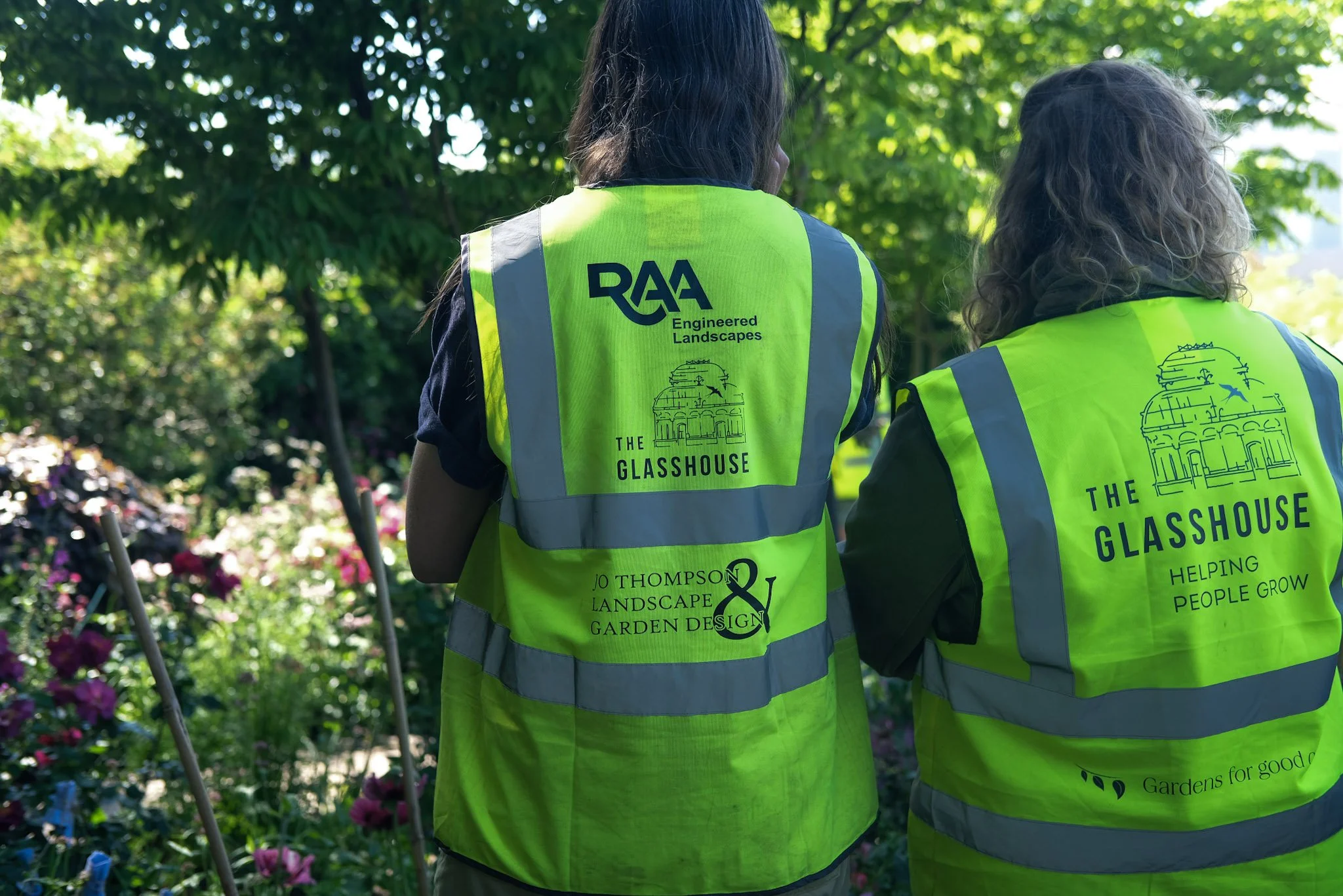
The Glasshouse Garden at Chelsea 2025, credit Diana Yule
And yet she was not really alone. "Although I was alone, I was surrounded by plants, so I had company." It is difficult to think of a more succinct description of the human value of nature connection. Ri went on to explain that the Glasshouse invests in the woman rather than simply assessing the skills she already possesses. The organisation does not assume that a woman's previous life tells you what she is capable of becoming.
Through the work, Ri discovered transferable skills she had never recognised in herself. She gained a City & Guilds qualification in horticulture and eventually moved from participant to employee. She has now worked with the Glasshouse for more than two and a half years after release. Her journey is not presented as a neat transformation in which prison is followed by an uncomplicated new life. Rhi is candid that coming out of custody was difficult. Having choices again was challenging. But she had something many women leaving prison do not: continuity, a workplace, people who understood what she had experienced, and the opportunity to develop her skills within an environment where she was already known.
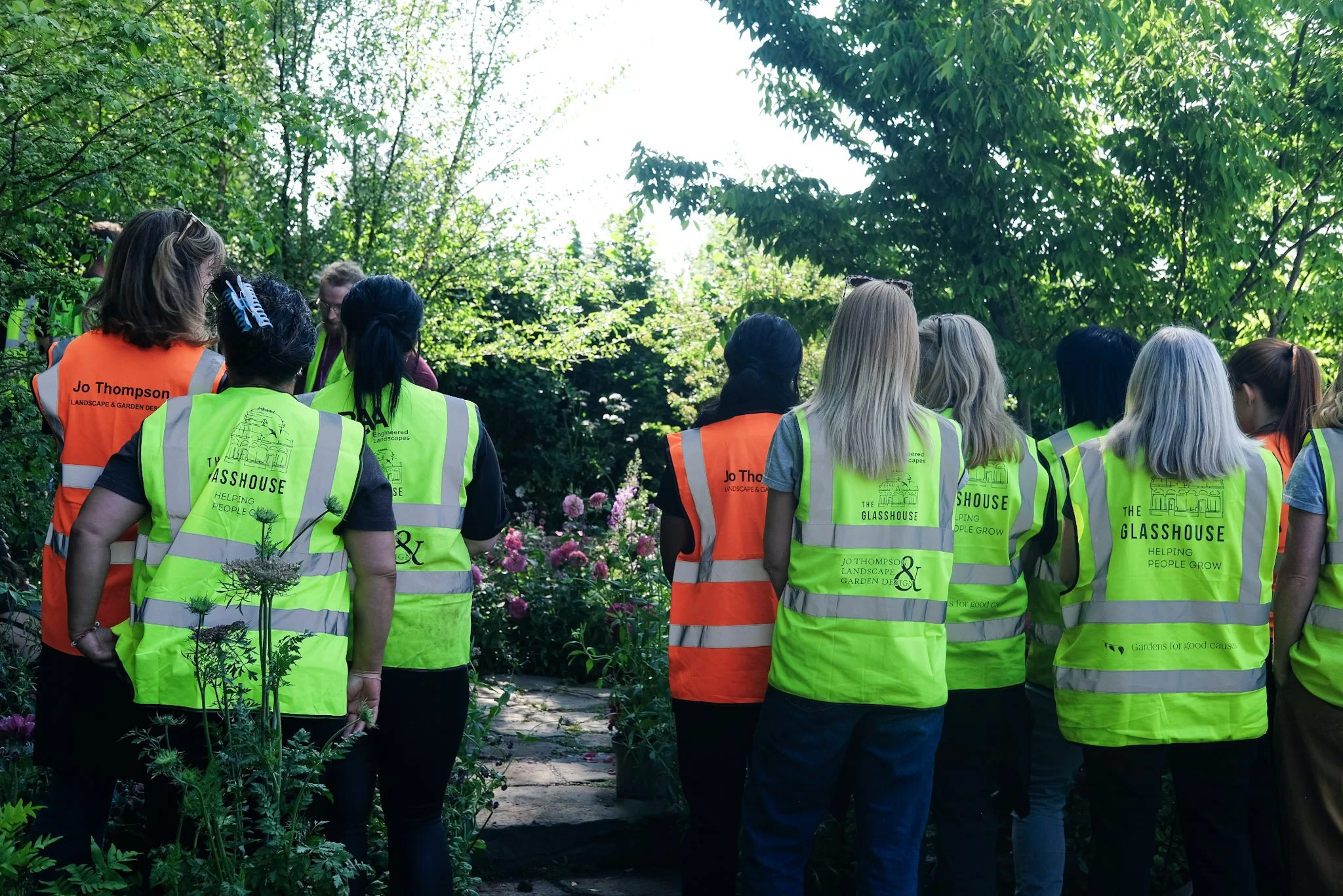
The Glasshouse Garden at Chelsea 2025, credit Diana Yule
That experience now enables her to support other women coming through the programme. The most moving part of our conversation came when Rhi described how her relationship with nature itself had changed. In custody, she explained, women can be almost completely removed from the natural world. Some may spend as much as 23 and a half hours a day in their cells. Exercise yards can be concrete spaces surrounded by razor wire. Some women may not even be able to see the sky from their rooms.
Then comes The Glasshouse. Suddenly there are plants. Soil. Growing things. Trees. Green. "I see green differently," Ri told me. "I also see trees differently." Then she said something that was really touching, and it is something that underpins the principle flowing through biophilia: "I know that I'm held by it." Held by nature. She described knowing that on a difficult day, during a difficult hour, or even during five difficult minutes, nature holds her. For someone who has experienced confinement, that word takes on an extraordinary significance.
The Glasshouse does not treat horticulture as an activity added around rehabilitation, it is woven into the rehabilitation itself. Kali describes watching women arrive uncertainly, sometimes saying that they have no idea what they are doing. Gradually, something changes as they spend time surrounded by greenery and learn how to care for plants.
Rii has found her own language for explaining why.
"When we make compost, we're handling grit," she said. "And we've got grit."
There is humour in the observation, but also something much deeper. A plant placed in the right environment, given its basic needs, can flourish.
"So why can't we do that with people?" Ri asked. "All we're asking is just to be put in the right environment... and just be given basic needs. We're not talking about luxuries. And then there's no reason that we can't flourish."
It is an important way of thinking about rehabilitation.
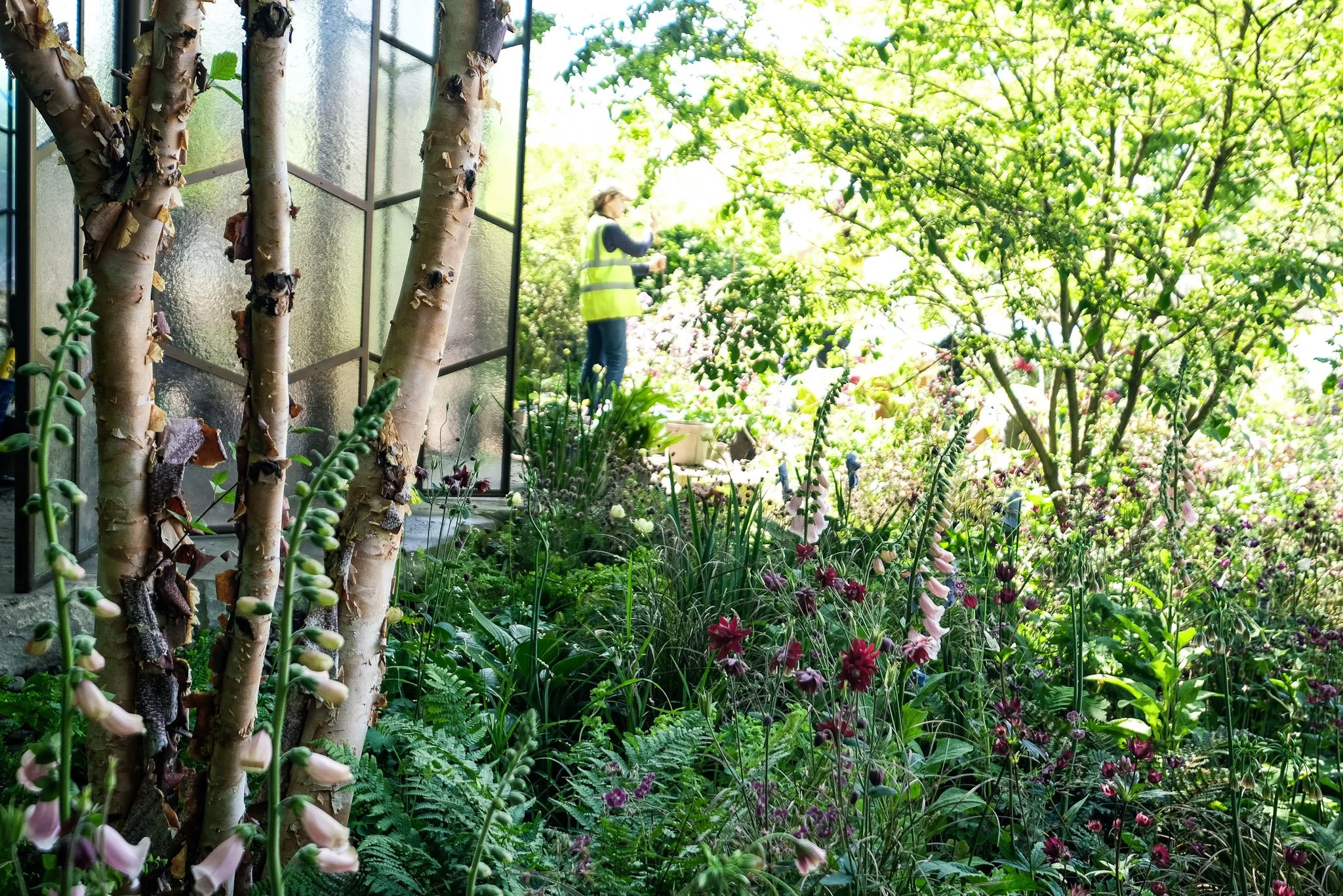
The Glasshouse Garden 2025, credit Diana Yule
The Glasshouse is not lowering expectations for the women it supports. Quite the opposite. It gives them real work, real responsibility and real professional expectations. Women learn to prepare CVs, attend interviews and develop skills they will need after release. The aim is to create an environment in which women actually experience working.
And the women themselves have helped shape the organisation. Kali says the programme has been guided and developed by the women who have participated in it, creating a commercial enterprise built with their experience at its centre.
From prison greenhouse to Chelsea
That professional identity became particularly visible when the Glasshouse took its work to the RHS Chelsea Flower Show. The women were not there just as a social enterprise receiving sympathetic attention. The distinction mattered enormously to Ri:
"We went to Chelsea as horticulturalists," she said. "And that is phenomenal."

The Glasshouse Garden at RHS Chelsea Flower Show 2025 - Designed by Jo Thompson (2025) Credit Jason Ingram
The Glasshouse has participated at Chelsea for two years. Its first project recreated the atmosphere of the prison greenhouses where the women had begun their horticultural journey. The women helped create the environment, and the project received a Gold medal. Ri was instrumental in developing and delivering the design. The experience gave the women something that is rarely associated with prison rehabilitation: professional pride.
They can now walk into a grey corporate environment and transform it with plants. They can install and maintain thousands of plants. They can travel into London to work. They can receive praise from clients for the quality of what they had created.
"Commuting into London gives you your dignity back," Ri explained. The words are striking because dignity is so often discussed as an abstract principle. Here, it is something tangible: putting on work clothes, travelling to work, doing a job well, being trusted, being paid, being part of a professional team. Being at Chelsea as professional horticulturalists represented a profound change in identity.
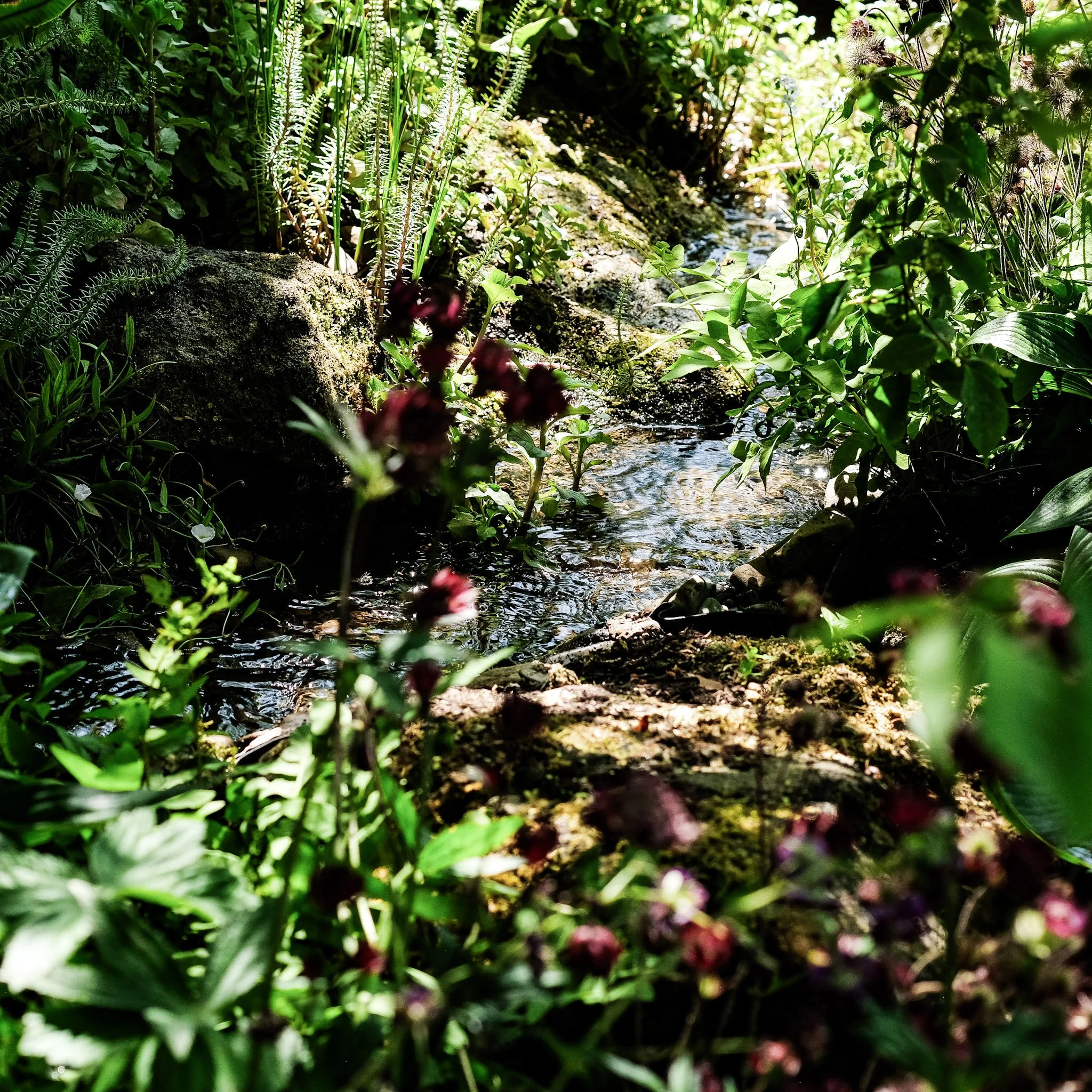
The Glasshouse Garden 2025, 2 Credit Diana Yule
A different way of seeing nature
Kali grew up surrounded by gardens and indoor plants. Her father was a master gardener in America, while her mother cared for the indoor garden. She says she did not fully recognise the benefits of that relationship with nature until it was absent. The Glasshouse has made that understanding something she can share with women who may have had very different experiences of the natural world.
The women learn about propagation and plant care, but also visit gardens and meet experts. They learn about rewilding, landscape design and the wider role of nature. Kali wants them to leave with a different understanding of their relationship with growing things and of their own ability to participate in the natural world.
There is another dimension, too.
Many of the women are mothers. Kali believes that having something to nurture matters. To care for something living, to see that it depends on you and responds to your care, can restore a sense of purpose and agency. The language of horticulture becomes a language for rebuilding a life. Roots. Growth. Resilience. Care. Conditions. Time.
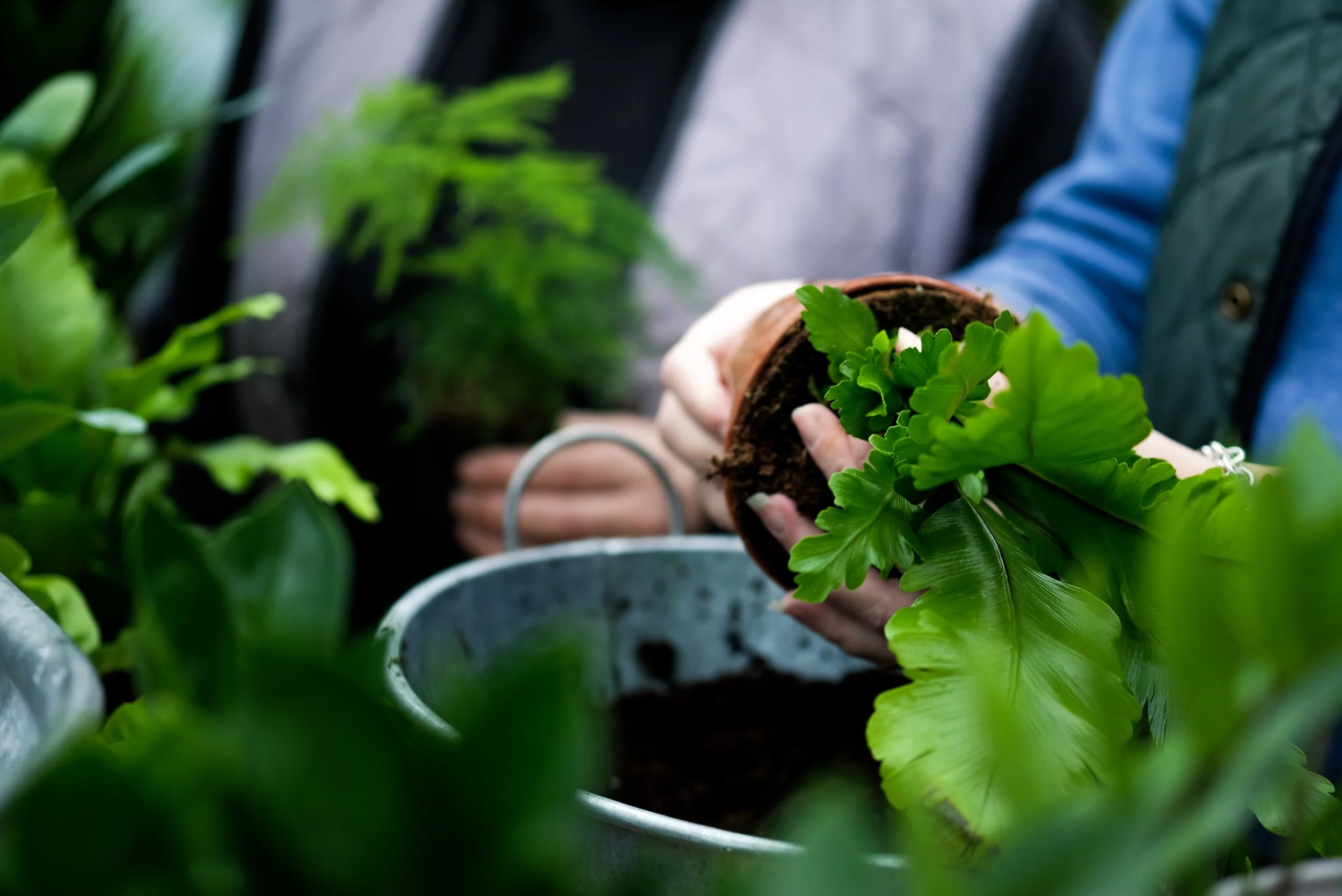
The Glasshouse, credit Diana Yule
None of this suggests that rehabilitation is simple. The Glasshouse does not pretend that every problem disappears when someone puts their hands into soil. What it demonstrates is something more practical and more hopeful: environment matters.
People need somewhere safe to begin again. They need meaningful work. They need relationships. They need skills. They need to feel useful. They need to be trusted with responsibility. And they need opportunities to discover capacities within themselves that may have been hidden for years.
Ri now helps provide those things for other women. She understands the uncertainty because she has lived it. She understands the plants because she has learned to grow them. And she understands something about nature that she did not know before custody. She sees green differently. At the end of our conversation, Ri offered a sentence that captures the Glasshouse better like a mission statement we all could learn from: "When you're around so much soil, you can't help but grow."
That is exactly what the Glasshouse is creating, it is not a place where women are told they can become different people, but an environment where they can discover that they already contain the capacity to grow. Sometimes, the most important thing we can do for another human being is provide the right conditions.
The Glasshouse is a social enterprise using horticulture, training and employment to support women approaching the end of their prison sentences and after release. Its work demonstrates the profound relationship between nature, dignity, purpose and rehabilitation.
To find out more about the Glasshouse visit: https://www.theglasshouse.co.uk
What is Biophilic Design? https://journalofbiophilicdesign.com/what-is-biophilic-design
Want a free copy of the Journal? Visit: https://journalofbiophilicdesign.com/free-materials-issue
The world of biophilic design delivered to you – join us: https://mailchi.mp/journalofbiophilicdesign.com/50-free-subscription-promotion
Credits: with thanks to George Harvey Audio Production for the calming biophilic soundscape that backs all of our podcasts.
Listen to our podcast on Audible, Amazon Music, Spotify, iTunes, YouTube and all the RSS feeds.
https://www.facebook.com/journalofbiophilicdesign/
https://www.linkedin.com/company/journalofbiophilicdesign/
https://www.instagram.com/journalofbiophilicdesign
If you like this,please subscribe!