Our bodies evolved under changing natural light. So what happens when we spend our lives beneath a ceiling of artificial illumination? Dr Shelley James, known as the Light Lady, explains why light may be one of the most important — and overlooked — elements of biophilic design.
We often talk about biophilic design in terms of plants, timber, water, natural materials and views of nature. But there is another fundamental element of the natural world that is so pervasive we can easily overlook it: light.
Dr Shelley James, founder of Age of Light Innovations, lighting consultant, educator and advocate for healthier environments, believes we need to rethink our relationship with it. Light isn't something that allows us to see, it is information. Our bodies are constantly reading it, interpreting it and responding to it.
“Every cell in your body is responding to light one way or another.”
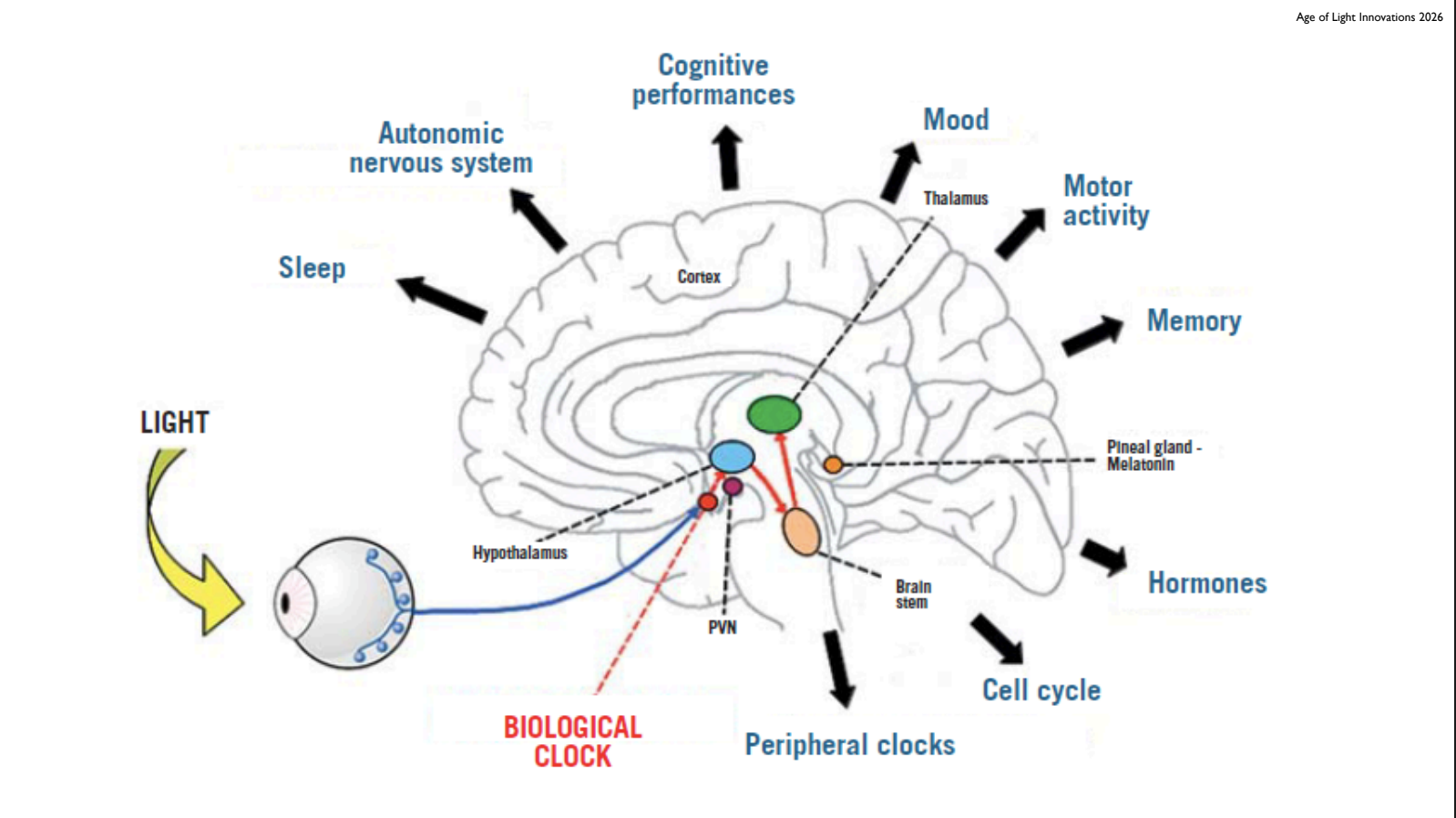
Light is one of the strongest signals our bodies receive about what time it is. Deep within the brain, the body's internal clock uses light and darkness to coordinate a remarkable sequence of physiological processes — from alertness and appetite to heart rate, hormones, blood chemistry, muscle function and sleep.
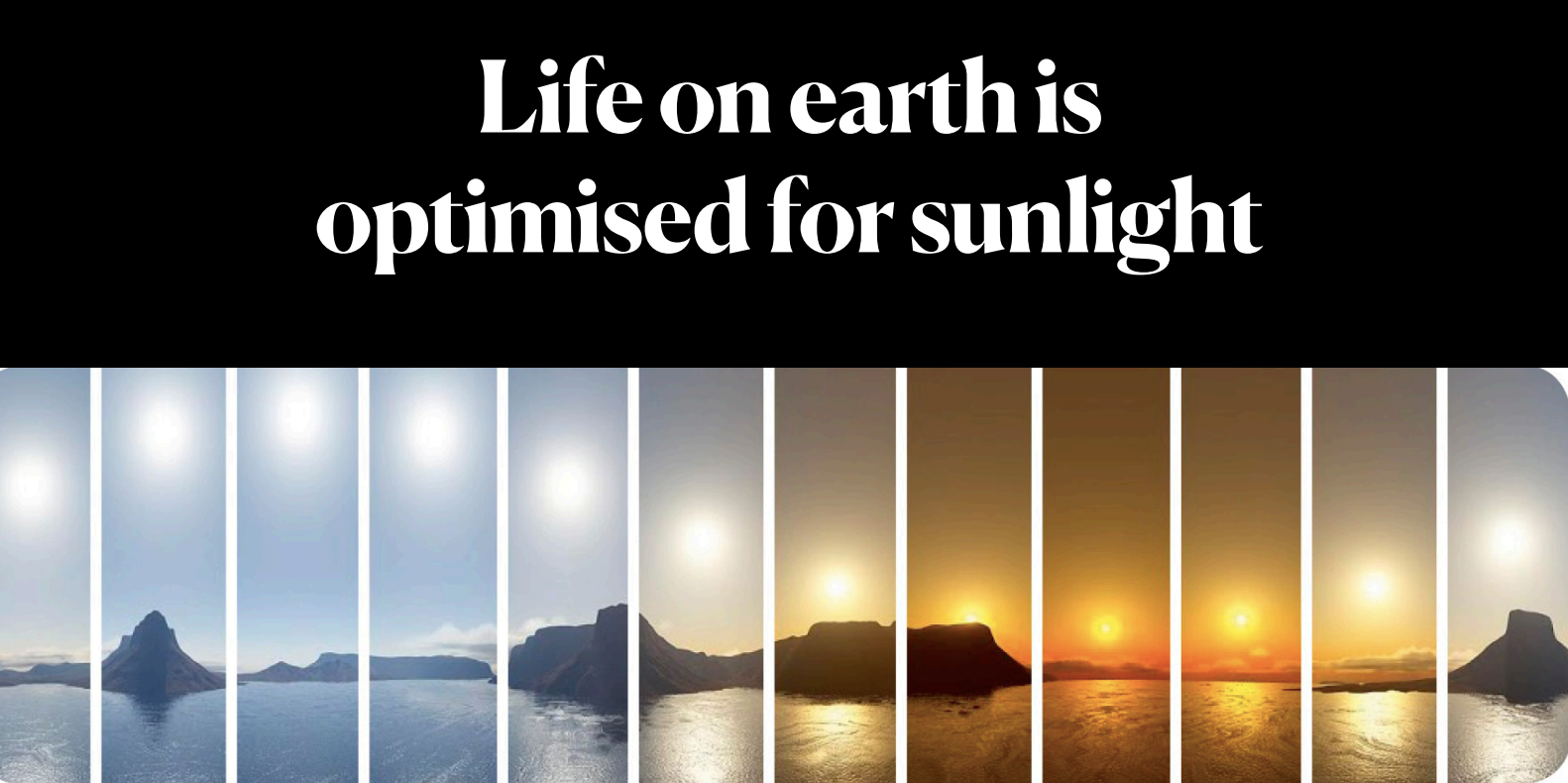
Our internal clocks are not perfectly 24 hours. Left without environmental cues, they tend to drift. Natural daylight — changing in intensity, colour and spectrum from dawn through midday to dusk — continually resets that internal timing system.
We evolved with changing light
Natural light is not static. Morning light is different from midday light, which is different again from the low, warm light of evening. Yet much of the built environment gives us something remarkably unlike this: a uniform ceiling of artificial light that may remain essentially unchanged from morning until night.
And the consequences go far beyond aesthetics.
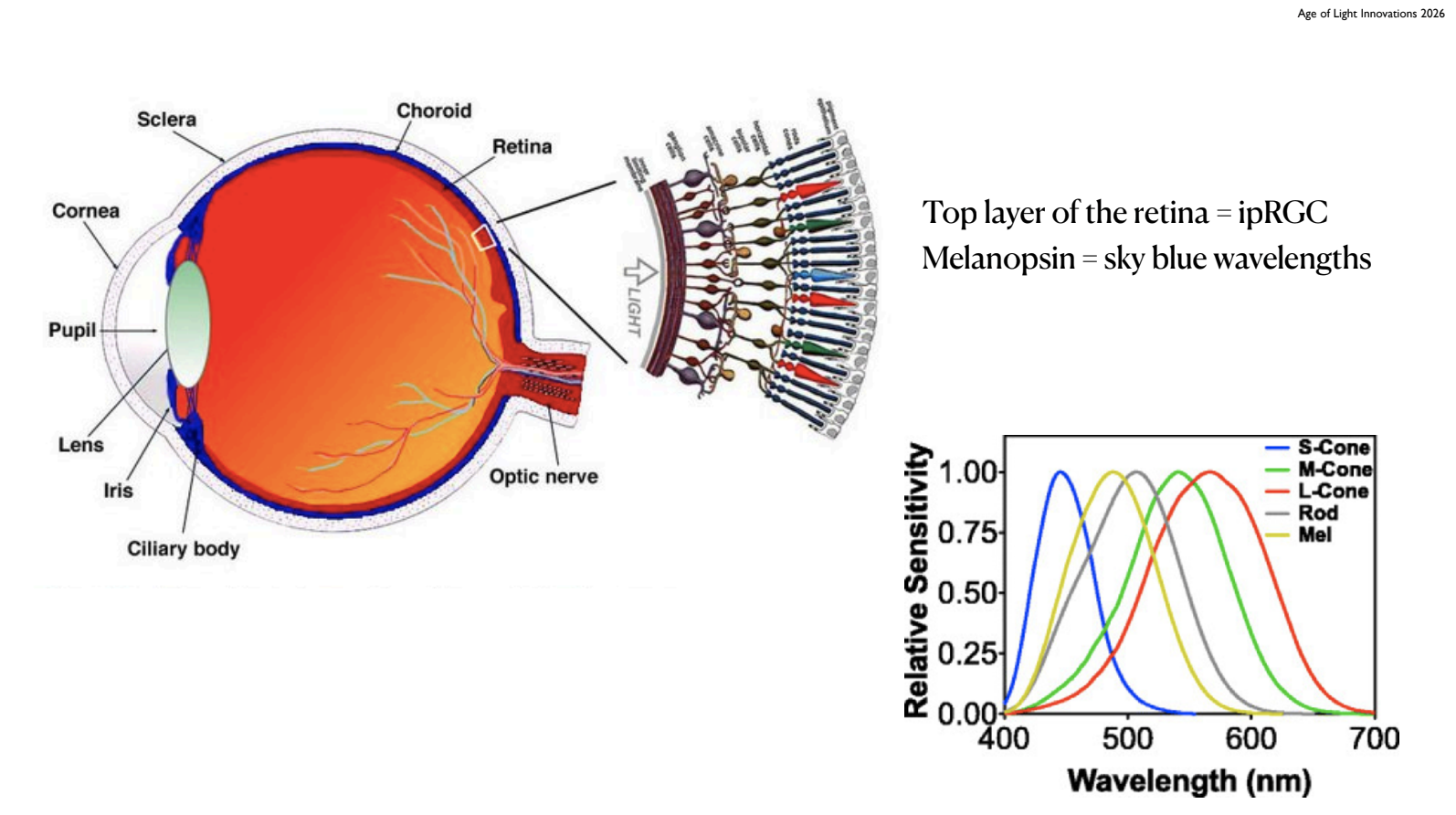
Shelley explains that the eye is effectively an extension of the brain, and that processing visual information is energetically expensive. The visual system is constantly working out what something is, where it is, whether it matters and whether we need to respond.
There is also another pathway through the eye, involving specialised cells containing the light-sensitive protein melanopsin. These cells are particularly responsive to blue wavelengths associated with the sky and help regulate the body's non-visual responses to light — including the circadian system, mood, attention and pupil response.
In other words, we don't simply see light. Our bodies use it to understand the world around us.
Think beyond brightness
For designers, this doesn’t mean just specifying required number of lux.
Shelley argues for the right quality of light, in the right place, for the right person, at the right time.
That means thinking about daylight first: how can it be brought deeper into a building, reflected from surfaces or borrowed from adjacent spaces? It means considering the quality of artificial light too — including its colour rendering, spectrum, flicker and distribution.
Colour temperature is measured in Kelvin. A higher Kelvin value produces a cooler-looking light: around 6,500K appears much closer to a cool daylight sky, while 2,700K is warm and associated more closely with evening.
But Shelley makes an important distinction: colour temperature is not the same as colour rendering.
A 6,500K 'daylight' lamp can still render colours poorly. High-quality light should reproduce the spectrum of daylight as closely as possible, allowing materials, skin tones and colours to appear naturally.
This matters particularly in healthcare, where poor-quality light can make people appear unnaturally green or grey, but it matters everywhere. If our environments are telling our brains that something is wrong or unfamiliar, we are asking them to work harder than necessary.
Light can help the body put the bins out
Shelley' says that light helps our bodies put the bins out.
Our bodies accumulate biological by-products throughout the day. Sleep is not simply switching off: it is a period of restoration and maintenance. Adenosine builds up with activity, creating what Shelley describes as a kind of pressure for sleep, while melatonin helps prepare the body for rest.
Think of it as a bath filling throughout the day. As we sleep, the plug is gradually pulled and the level drops. By the early hours of the morning, the system is particularly vulnerable to being disturbed.
But if we repeatedly override those signals — staying stimulated, working late, eating at inappropriate times or exposing ourselves to the wrong light at the wrong time — the processes that should happen during rest can become disrupted.

Designing light like nature
This brings us back to biophilia. Natural environments contain variation, contrast, shadow, movement and changing horizons. Light filters through leaves, reflects from water, changes with clouds and seasons, and gradually shifts from morning to evening.
Our visual systems evolved within this complexity.
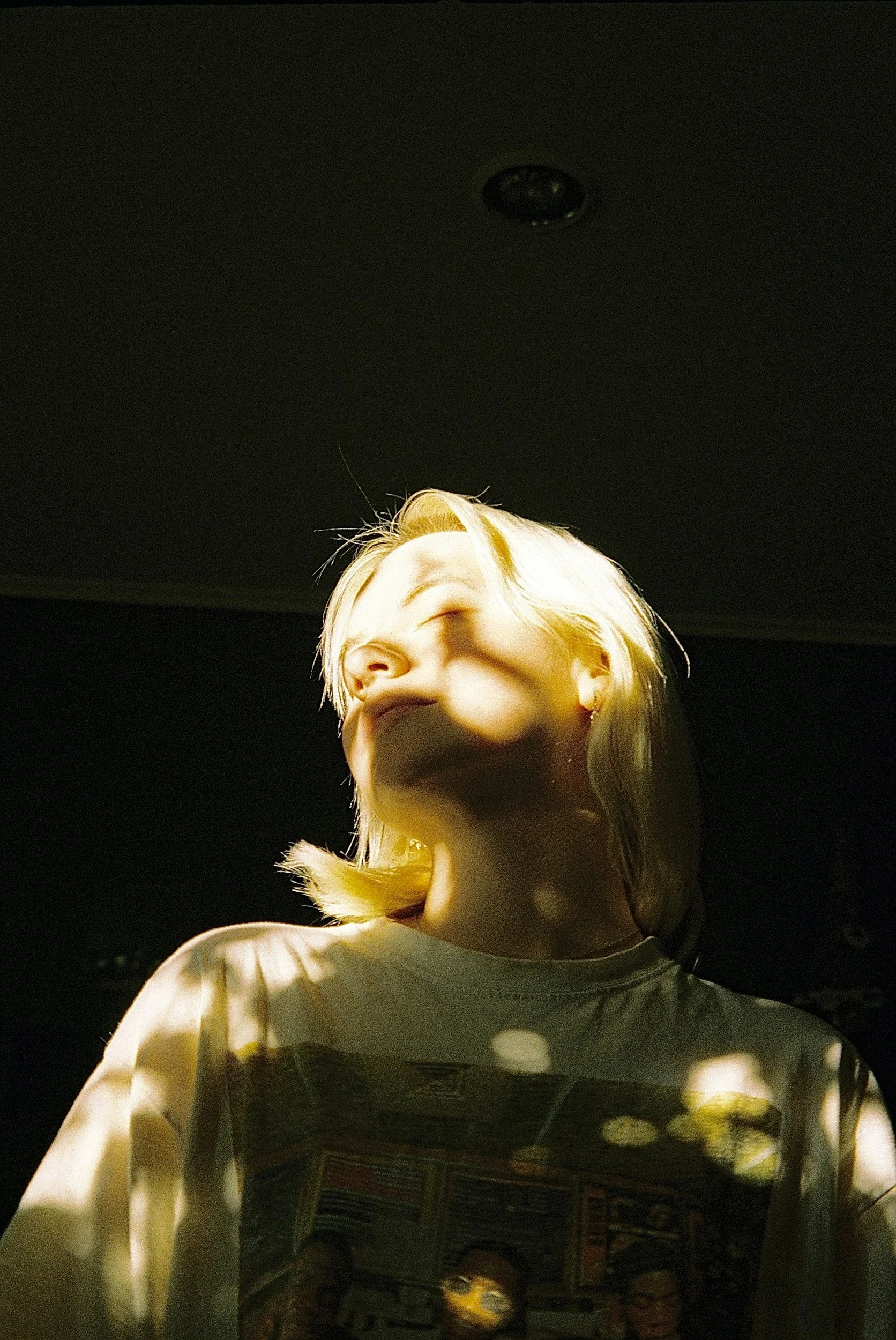
Shelley describes the brain as looking for patterns that are familiar from the natural world — an appropriate balance of order and complexity, rather than either complete uniformity or overwhelming contrast. Even something as simple as dappled light and moving shadows can provide the kind of non-rhythmic visual stimulus associated with nature.

Light can also strengthen classic biophilic principles such as prospect and refuge. A brighter horizon can draw the eye towards a distant view, while lower light can help create a sense of enclosure and retreat. Changes in scale, perspective and light levels can make a space feel simultaneously safer and more expansive.
And then there is darkness.
Perhaps the most important lesson is that biophilic lighting isn't about adding more light. It is about using light intelligently — and allowing darkness to exist too.
Shelley's magic brush of biophilia: “A much more thoughtful and sparing use of light because our experience of light is all about contrast.”
Light is not the final layer added after the architecture, materials and planting have been decided. It is one of the fundamental environmental signals through which our bodies experience a place.
If biophilic design is about reconnecting people with the conditions that have supported life for millennia, then we need to look up.
The sun has been designing our relationship with light for a very long time. Perhaps it is time we learned from it.
To find out more about Light and Dr Shelly, and also watch her brilliant Tedx talk here: https://ageoflightinnovations.com
What is Biophilic Design? https://journalofbiophilicdesign.com/what-is-biophilic-design
Want a free copy of the Journal? Visit: https://journalofbiophilicdesign.com/free-materials-issue
Subsbcribe to our free newsletter https://mailchi.mp/journalofbiophilicdesign.com/50-free-subscription-promotion
Credits: with thanks to George Harvey Audio Production for the calming biophilic soundscape that backs all of our podcasts.
Listen to our podcast on Audible, Amazon Music, Spotify, iTunes, YouTube and all the RSS feeds.
https://www.facebook.com/journalofbiophilicdesign/
https://www.linkedin.com/company/journalofbiophilicdesign/
https://www.instagram.com/journalofbiophilicdesign
If you like this,please subscribe!