In conversation with the Journal of Biophilic Design Podcast, Patrick Keogh explores why the future depends on bringing different worlds together, learning from nature and having the courage to act.
What kind of future do we want to live in? The way we design our buildings, organise our businesses, invest our money and relate to the natural world lies at the heart of this year's Blue Earth Summit, taking place at Woolwich Works in London from 14–16 October 2026. Bringing together people from business, science, investment, culture, sport and the environmental world, the Summit aims to move beyond familiar conversations about sustainability and explore how we can create a more regenerative future.
In the latest episode of the Journal of Biophilic Design Podcast, I spoke to Patrick Keogh, who leads the Blue Earth Summit programme, about the importance of interdisciplinary thinking, the lessons we can learn from nature, and why we need to turn our knowledge of environmental challenges into meaningful action.
Explore the Blue Earth Summit programme and book your ticket.

Breaking down the silos
Patrick's career has taken him from book publishing at Faber to launching creative writing programmes, developing the Guardian Masterclasses, working with international brands and exploring emerging technologies. He has spent much of his professional life bringing people and ideas together, with a particular interest in the power of stories to change how we see the world. That experience informs his approach to Blue Earth Summit, the event creates opportunities for different perspectives to meet, question one another and find new ways forward.
Climate and sustainability events can sometimes end up speaking to the converted. While these conversations are important, accelerating change requires a wider range of voices, including people from industries, financial institutions and businesses that may not traditionally see themselves as part of the environmental conversation. As Patrick explains, progress often happens in the spaces between disciplines. Scientists bring evidence, businesses understand the realities of implementation, investors can help unlock capital, and creatives can communicate possibilities in ways that engage people's imaginations. The same principle applies to the built environment. Architects, interior designers, landscape architects, ecologists, engineers, manufacturers, developers and policymakers all have a role to play in shaping healthier, more resilient places.
Yet meaningful change depends on these groups working together from the beginning, rather than approaching sustainability as an isolated consideration. This is where the Blue Earth Summit's interdisciplinary approach becomes particularly relevant to biophilic and regenerative design. Our relationship with nature cannot be addressed by one profession or one sector alone. It requires us to reconsider the wider systems in which we live, work, build and invest.
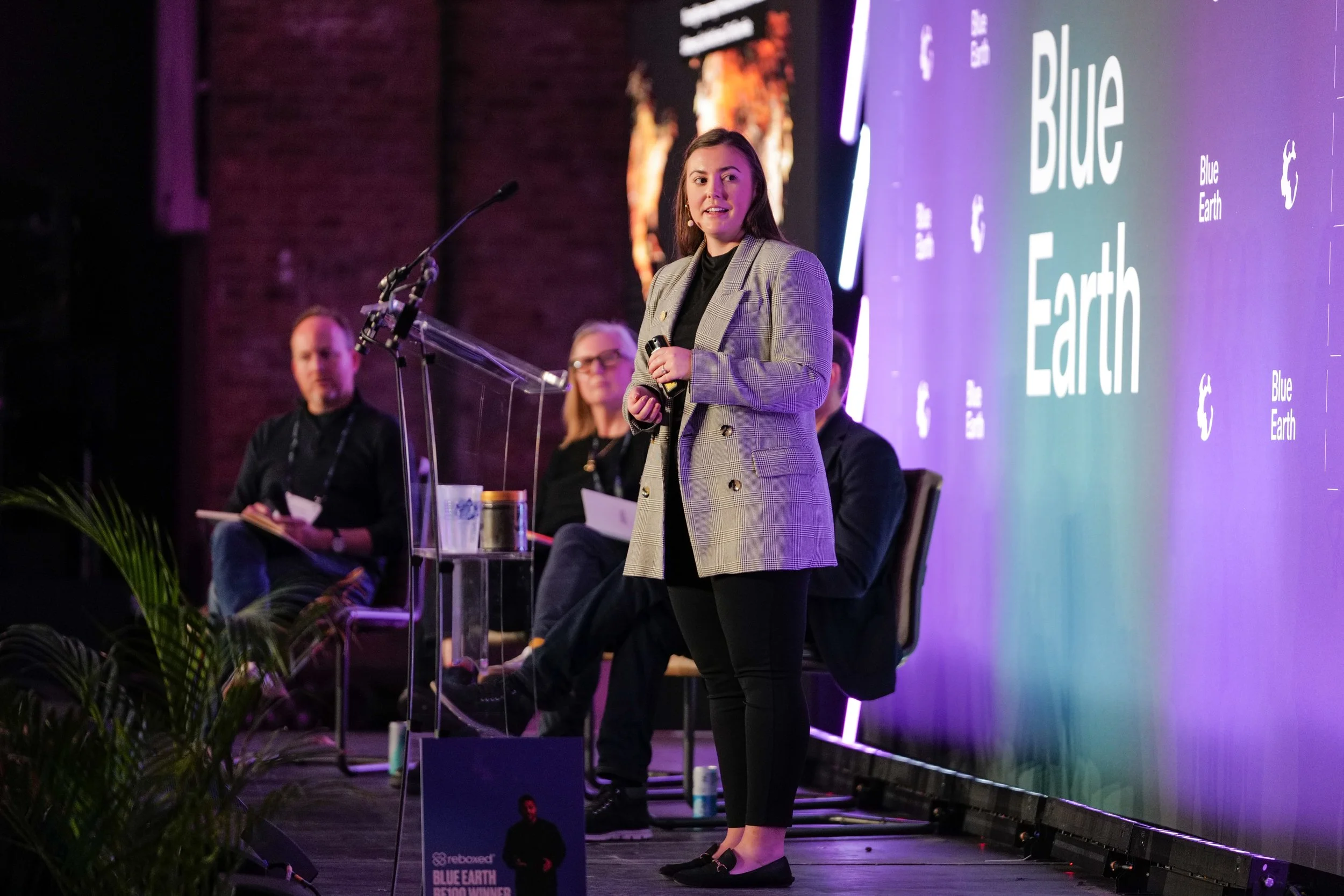
Nature is not a collection of separate parts
Patrick describes visiting a regenerative farm for the first time. It was a cold December day, and he arrived at a landscape that had been depleted and unproductive. What he found remarkable was the land's capacity to recover over time when given the opportunity to regenerate. The experience challenged the assumption that every problem requires another layer of human intervention, another strategy or another technological fix. Nature, he observed, does not operate according to a simple management plan. Everything coexists, interacts and plays a role within a larger system. Patrick sees narrow thinking as one of the problems that has contributed to our current environmental challenges. We have become accustomed to treating problems individually, seeking a solution for one issue without always considering the consequences elsewhere.
Plastic is one example. It is an extraordinarily useful material, but its persistence in the environment means that decisions made today can have consequences for centuries. Similarly, as we develop new technologies and infrastructure, we need to ask not only what they can achieve but what they require in terms of energy, water and natural resources.
These are questions that resonate deeply with biophilic design. Biophilia recognises our fundamental connection with the living world, while biophilic design seeks to bring that understanding into the places we create. The opportunity is to design with a greater understanding of ecological relationships, human wellbeing and the systems on which life depends. As Patrick puts it, the richness of the world comes from the coexistence of different things and people. That is as true of a thriving ecosystem as it is of a successful city.
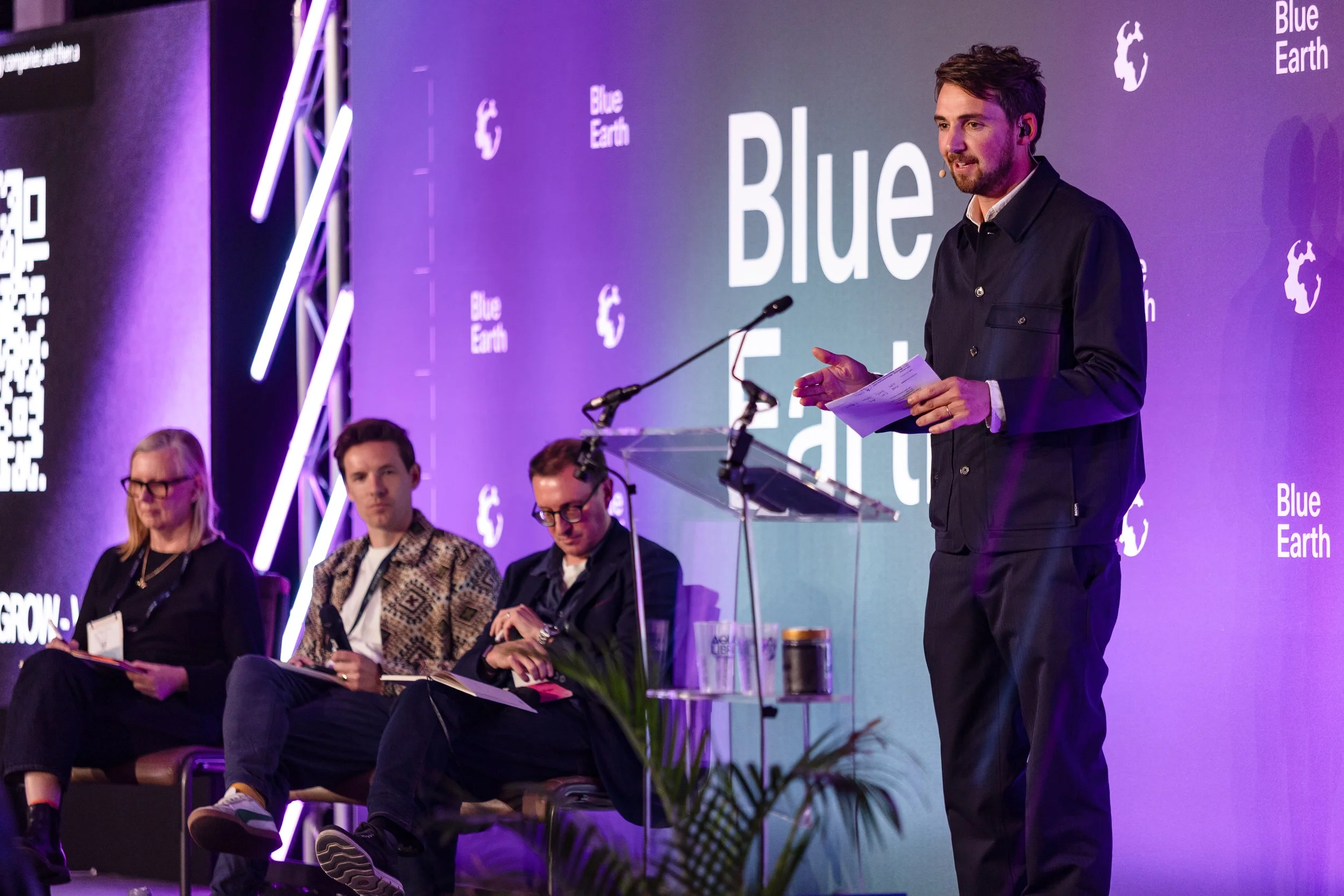
From sustainability as duty to change as possibility
If we already understand so much about the environmental challenges we face, why does progress often feel painfully slow? Patrick identifies three important barriers: a lack of investment in nature-based solutions, promising initiatives that remain isolated rather than being scaled up, and the assumption that facts alone will change people's behaviour. There are already many compelling examples of innovation and environmental restoration. The difficulty is connecting these initiatives, directing resources towards them and creating the conditions for them to grow.
But Patrick also highlights something less tangible and equally important: sustainability needs to be desirable, not simply worthy. Facts and scientific evidence are essential, but people also need to feel that a different future is possible, attractive and worth working towards. This is where storytelling, culture, design and creativity can make a real difference. They can help people imagine what a better way of living might look like, and give them reasons to participate in making it happen.
Healthy, nature-connected buildings and public spaces can become places that people genuinely want to inhabit: places that support wellbeing, foster connection, respond to their surroundings and contribute positively to the wider environment.
The Summit's programme reflects this breadth of thinking, bringing together conversations on nature, health, food, energy, investment, emerging technologies, creativity and the future of business. Speakers include economist Kate Raworth and epidemiologist Tim Spector, alongside entrepreneurs, scientists and cultural voices. The programme is designed to provoke questions as well as share knowledge.

Designing for people beyond the building
Our conversation turned to a question that should matter to everyone involved in architecture and urban design: what responsibility do designers have for the experience of people who may never enter the buildings they create? Patrick challenged the tendency to concentrate on the interior of a building while giving less attention to its external presence and its relationship with the people moving through the surrounding streets
Most people walking through a city will never enter many of the buildings they pass. Yet they will encounter their façades, their scale, their materials and the way they meet the public realm. These everyday experiences influence how places feel, how welcoming they are and how people relate to their environment. A building is therefore more than an object designed for its occupants. It is part of a shared landscape, contributing to the experience of everyone who encounters it.
This is an important consideration for biophilic design. A connection with nature is not limited to what happens inside a building. It can extend to streets, courtyards, public spaces, green infrastructure, views, planting and the relationships between buildings and the wider landscape.
Patrick returns to one word when considering this responsibility: care.
Care may sound like a soft concept when everything seems to be driven by budgets, performance targets and commercial pressures. Yet it is fundamental to how we make decisions about the places we create and the lives those places affect. Designing with care means considering not only what a building does for its owner or immediate occupants, but how it contributes to the experience of a community and the health of the environment around it.
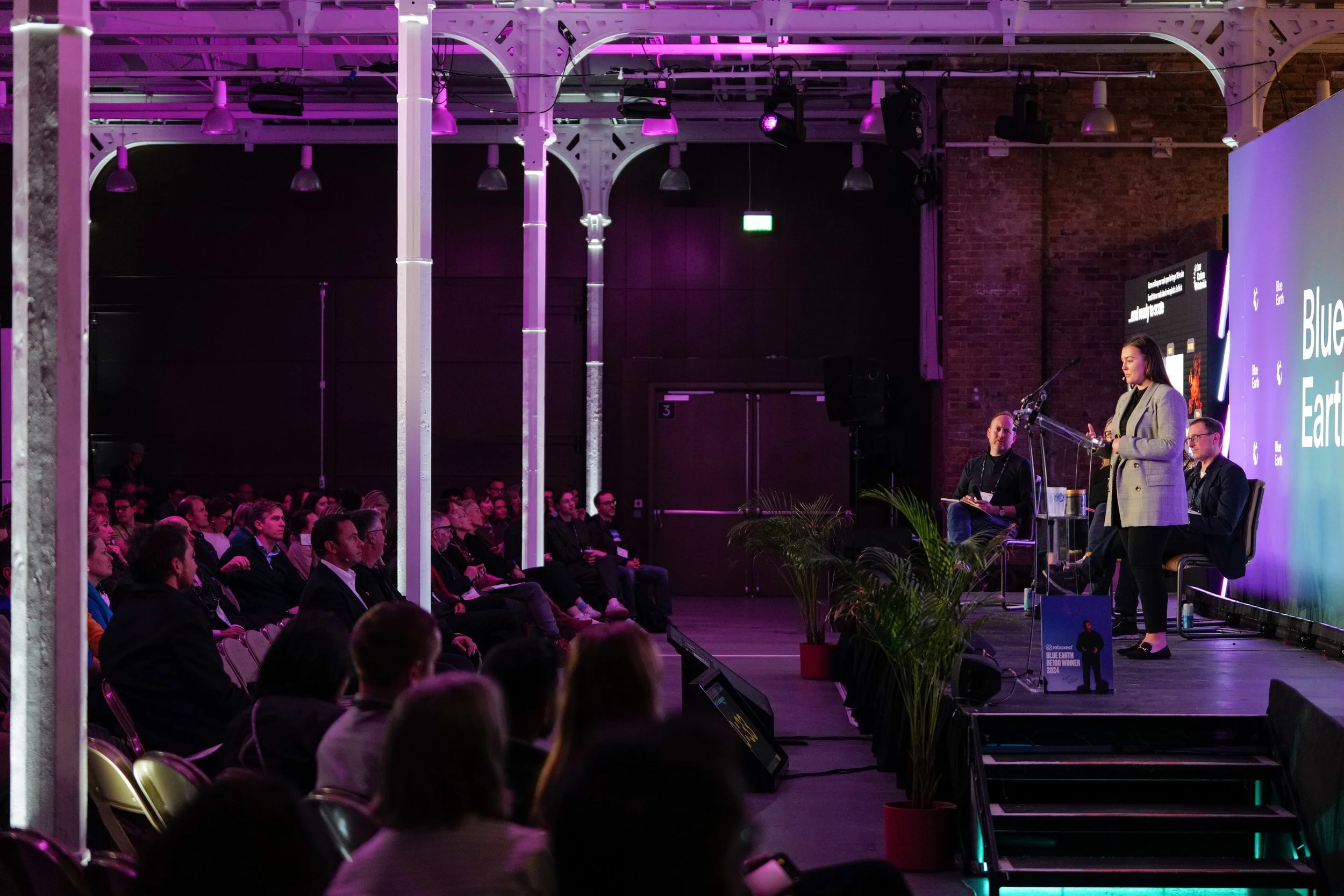
Permission to act
Let’s stop waiting for the next strategy, report or research project before doing something differently. Let’s give people the agency to test ideas, challenge established processes and act on what they already know needs to change. Too often, people understand what is required but fear stepping outside established ways of working. Innovation depends on creating environments in which people can take considered risks, learn from experience and turn good intentions into practical action.
This might mean rethinking a material specification, challenging an unnecessarily resource-intensive process, exploring a nature-based solution or bringing ecological expertise into a project earlier. It might mean asking a manufacturer to be more transparent about the origins and consequences of its products. It also means asking better questions about the materials and resources we use. Where do they come from? What happens to them at the end of their useful life? How much energy and water do they require? What are the consequences of the decisions we make today for people and ecosystems tomorrow?
These questions are relevant at every scale, from individual purchasing decisions to national infrastructure investment.
There is no single answer to the environmental challenges we face, Patrick acknowledges. But asking questions, examining consequences and taking responsibility for the answers is a place to start.
Let’s not make nature conform to our vision of progress, but recognise its extraordinary complexity and find better ways to coexist with it. Restoration must be valued alongside development, and the benefits of economic activity must be considered in relation to the natural systems on which it depends. This goes beyond decoration, technology or individual interventions. We need to reconsider our relationship with the living world and to recognise that human wellbeing, thriving communities and ecological health are interconnected.
For those of us working in biophilic design, that is an invitation to think bigger: to create buildings, workplaces, schools, healthcare environments and public spaces that help people reconnect with nature, while contributing to a more regenerative future.
The Blue Earth Summit offers an opportunity to take these conversations beyond our usual professional circles, encounter different perspectives and discover ideas that might change how we work.
Let’s join the Blue Earth Summit this week and collaborate with others and take the next practical step.
Join the conversation
The Blue Earth Summit takes place from 14–16 October 2026 at Woolwich Works, London, bringing together people working across business, investment, science, nature, culture and innovation.
If you enjoy the podcast, please subscribe and share the episode with colleagues working in architecture, design, sustainability and the wider built environment.
The future is something we build together. Let's make it a future that works for people and planet. The world of biophilic design delivered to you – join us: https://mailchi.mp/journalofbiophilicdesign.com/50-free-subscription-promotion
We did a podcast with the Summit’s co-founder and CEO Will Hayler https://journalofbiophilicdesign.com/podcast-journal-of-biophilic-design/blue-earth-summit-investing-in-biophilic-design-nature-and-nature-based-solutions
What is Biophilic Design? https://journalofbiophilicdesign.com/what-is-biophilic-design
Want a free copy of the Journal? Visit: https://journalofbiophilicdesign.com/free-materials-issue
Credits: with thanks to George Harvey Audio Production for the calming biophilic soundscape that backs all of our podcasts.
Listen to our podcast on Audible, Amazon Music, Spotify, iTunes, YouTube and all the RSS feeds.
https://www.facebook.com/journalofbiophilicdesign/
https://www.linkedin.com/company/journalofbiophilicdesign/
https://www.instagram.com/journalofbiophilicdesign
If you like this,please subscribe!