What if the buildings that help us tackle climate change were also the buildings that lift our spirits?
We talk a great deal about the performance of buildings: how to reduce carbon, manage heat, conserve energy, deal with water and increase biodiversity. But perhaps we need to ask another question. What should these buildings look and feel like?
For architect and Alive Labs founder Nicky Naidu, the answer is not to choose between performance and beauty. We should expect both.
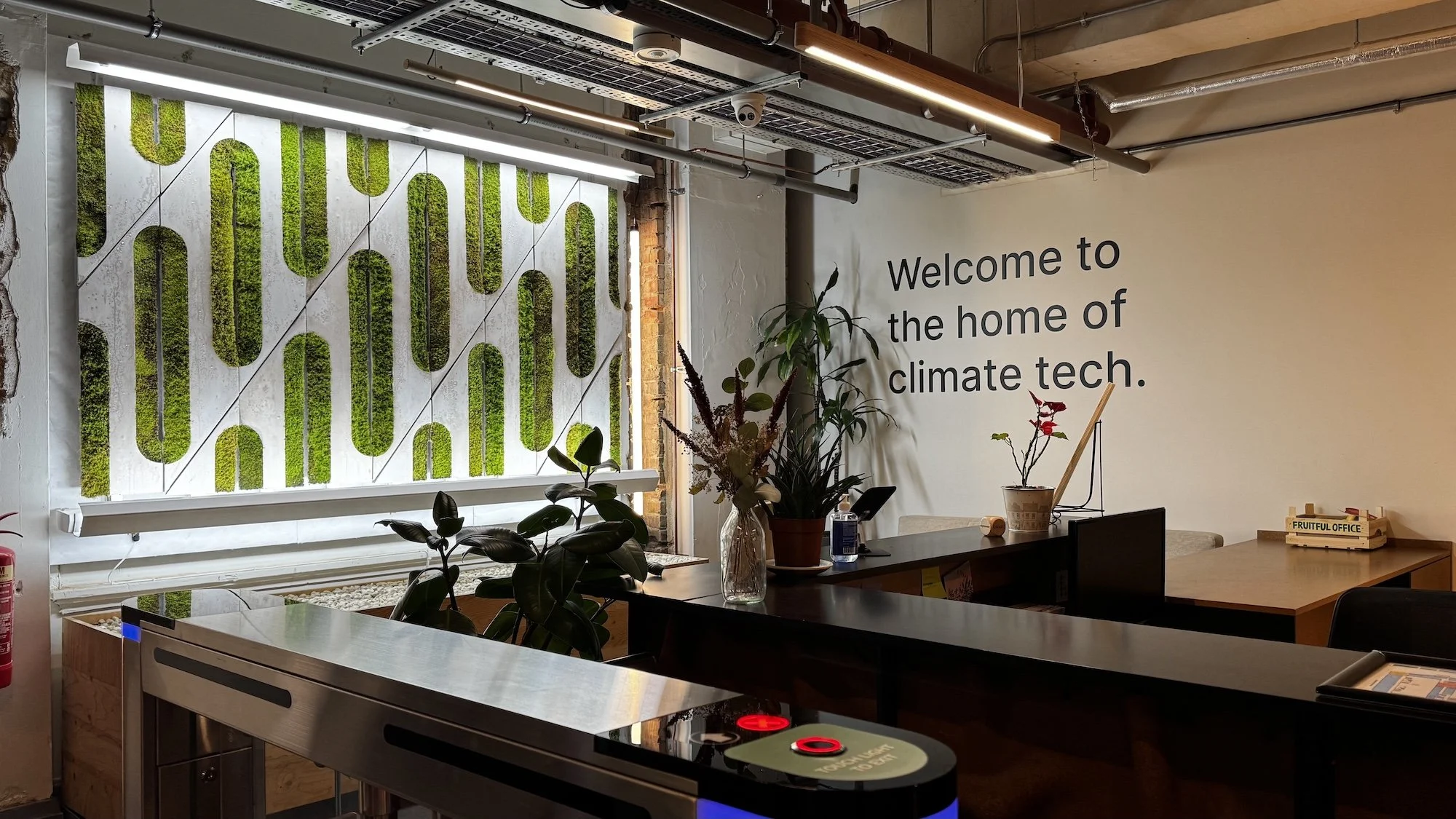
Nicky has spent 20 years working in architecture, including with Foster + Partners, Arup and Wilkinson Eyre, before stepping away from conventional practice to explore different ways of living and building. His journey ultimately led to Alive Labs, where he is developing bioreceptive materials designed to allow nature to become part of architecture itself.
His starting point is philosophical: “We build what we are.”
For Nicky, buildings are a reflection of the societies that create them. If we want a society that values nature, connection and care, perhaps our architecture should express those values too.
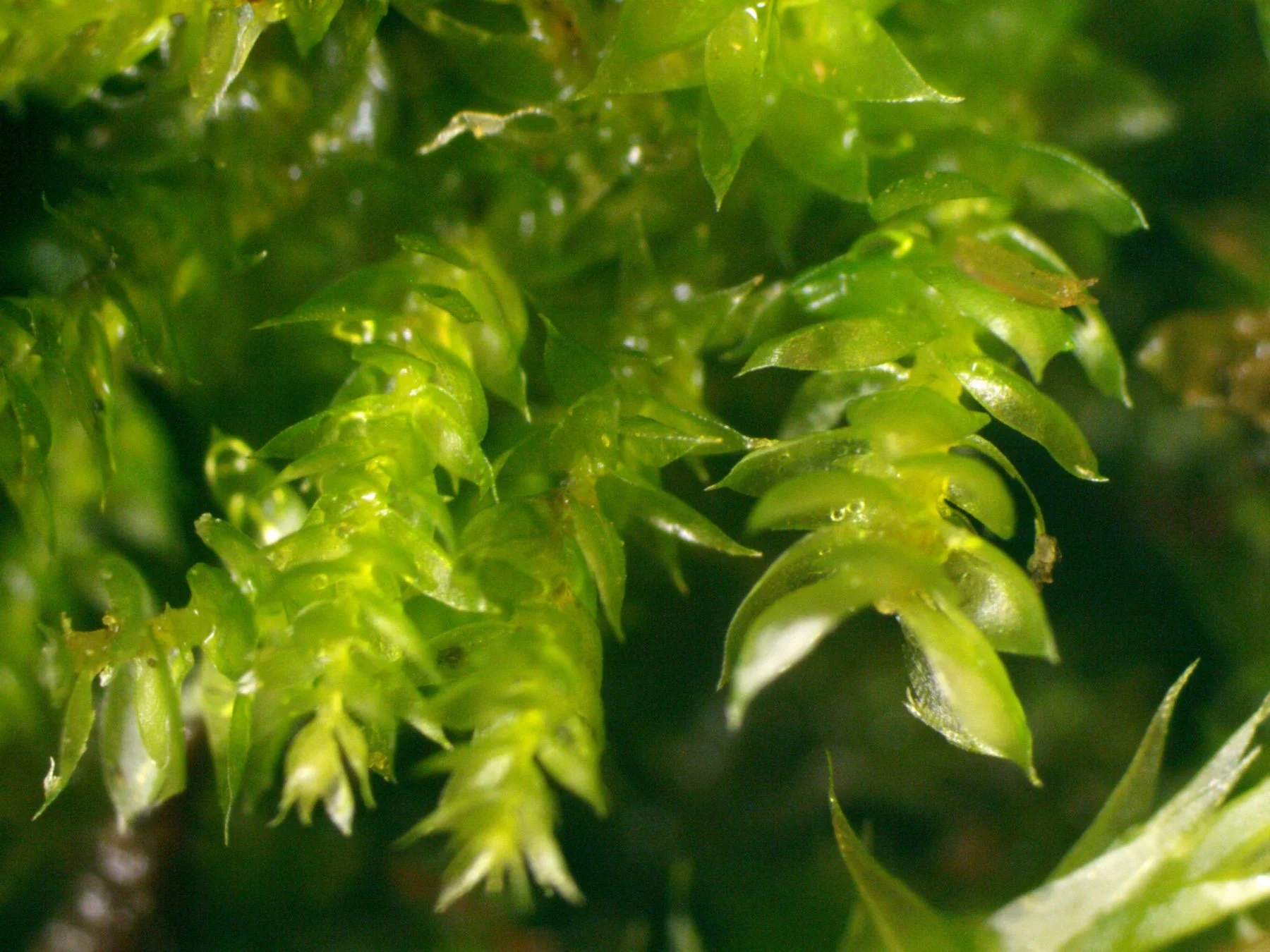
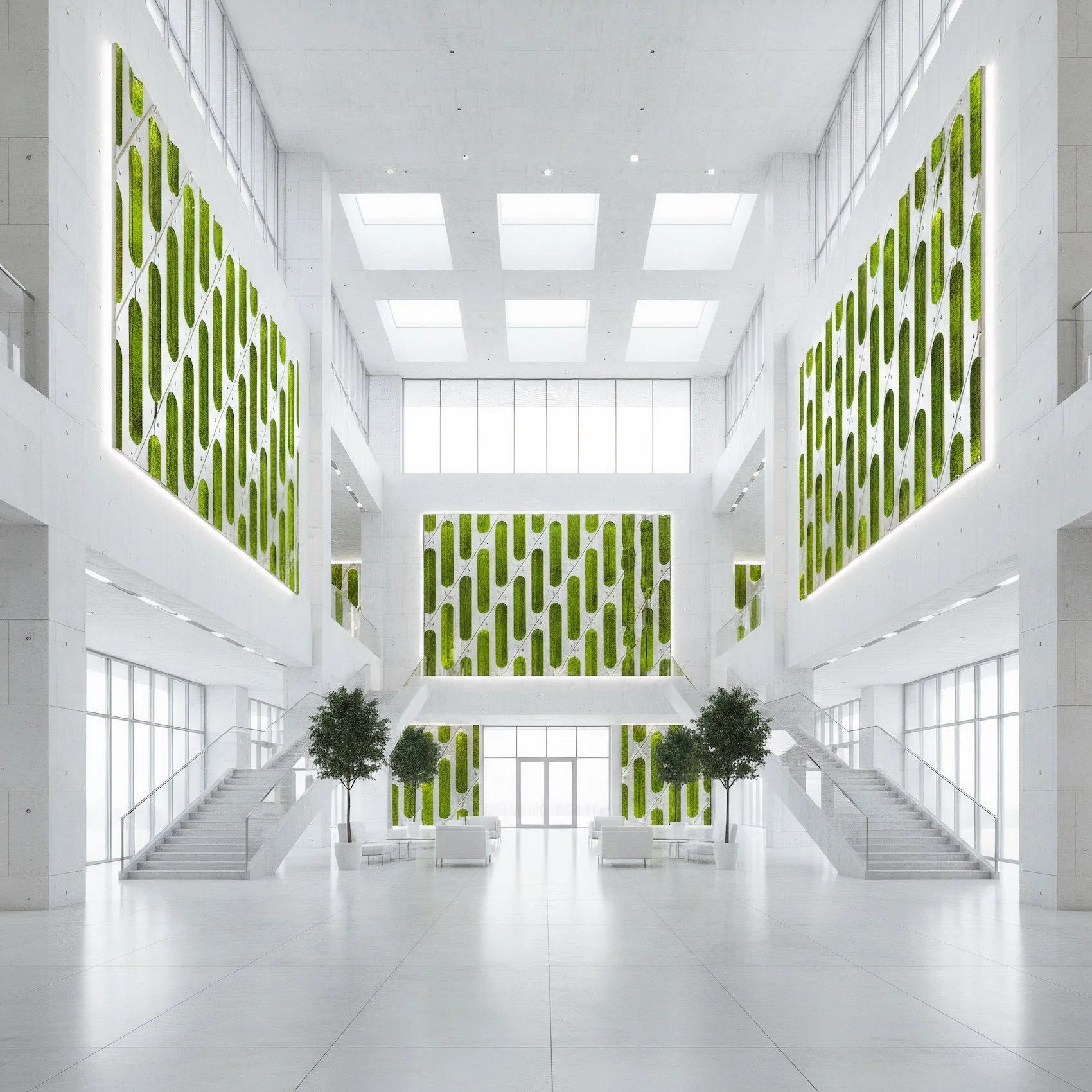
That thinking has led Alive Labs to develop Terranite, a bioreceptive, carbon-negative construction material designed to support biological colonisation. Rather than simply attaching vegetation to a building, the material creates a substrate in which nature can participate.
Moss is central to the approach. An ancient and remarkably resilient organism, it can absorb atmospheric pollutants, retain water, contribute to water filtration and provide thermal benefits. Alive Labs' system is designed to help reduce surface temperatures, while moss can contribute to cooling through evaporative processes and insulation in colder conditions.
The implications for cities are considerable. Our buildings could become part of the infrastructure that helps address urban heat, stormwater and biodiversity loss rather than simply contributing to those pressures.
But there is another opportunity here – and it is one we don't discuss enough.
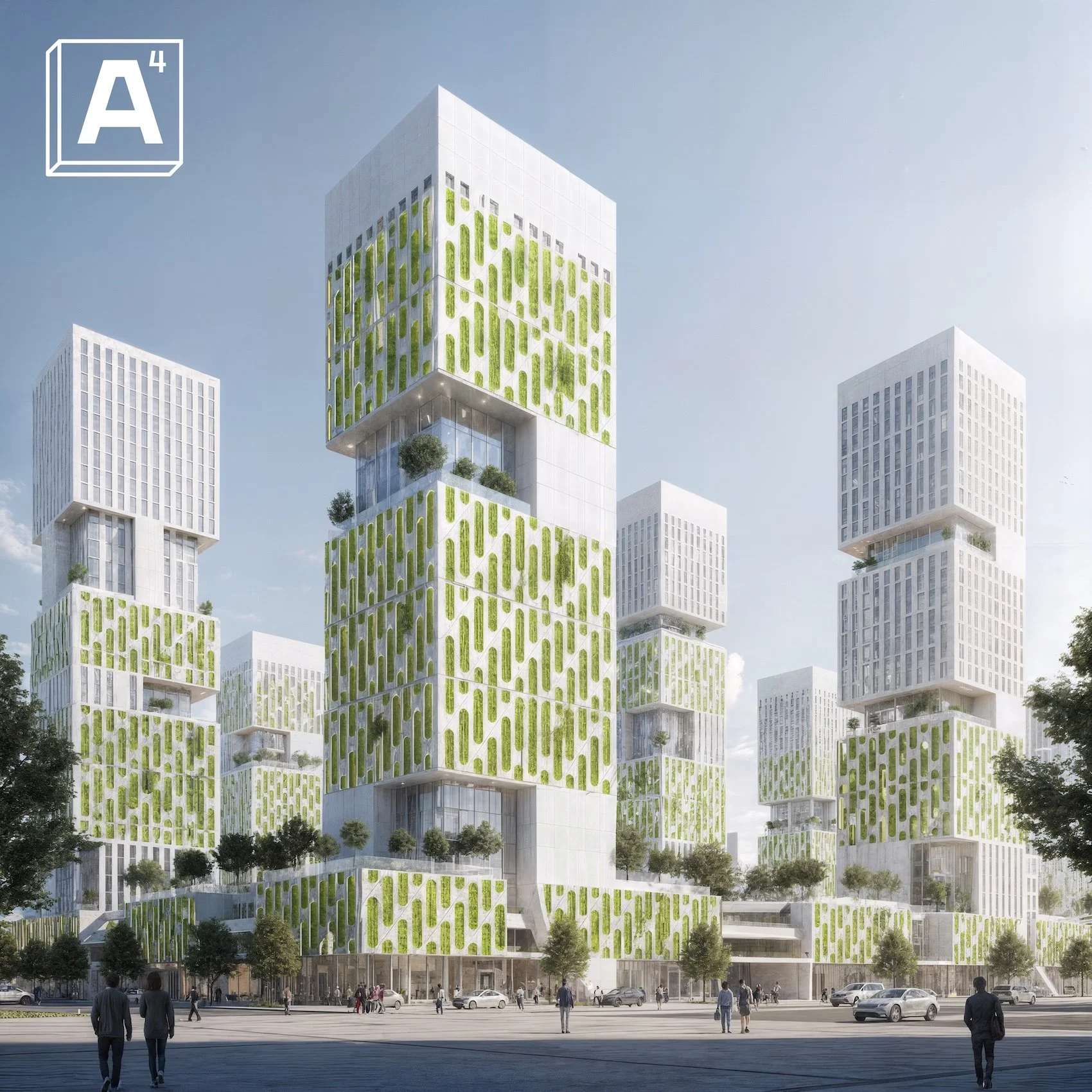
Beauty.
Naidu questions the contemporary obsession with architecture as a diagram or a highly efficient box.
“No one wants to live in a diagram, right?”
He points instead towards the great architectural traditions of the past: Gothic cathedrals, Renaissance buildings and ancient temples, where proportion, geometry, ornament and symbolism were connected to ideas about nature, mathematics, spirituality and the cosmos.
This is particularly relevant to Biophilic Design.
Why shouldn't climate-responsive buildings be beautiful? Why shouldn't cladding become an opportunity for pattern, texture, shadow, planting and delight? Why should a building envelope have to be a flat, anonymous surface?
Think about Palladian architecture and its extraordinary attention to proportion and rhythm. Think about the awe created by Gothic architecture. Think about the tactile qualities of natural materials. Now imagine bringing that same ambition into the buildings of the future – using contemporary materials and living systems that also cool, insulate, capture water and support biodiversity.
As Nicky puts it, “net zero alone” is not enough. The ambition should be to do more.
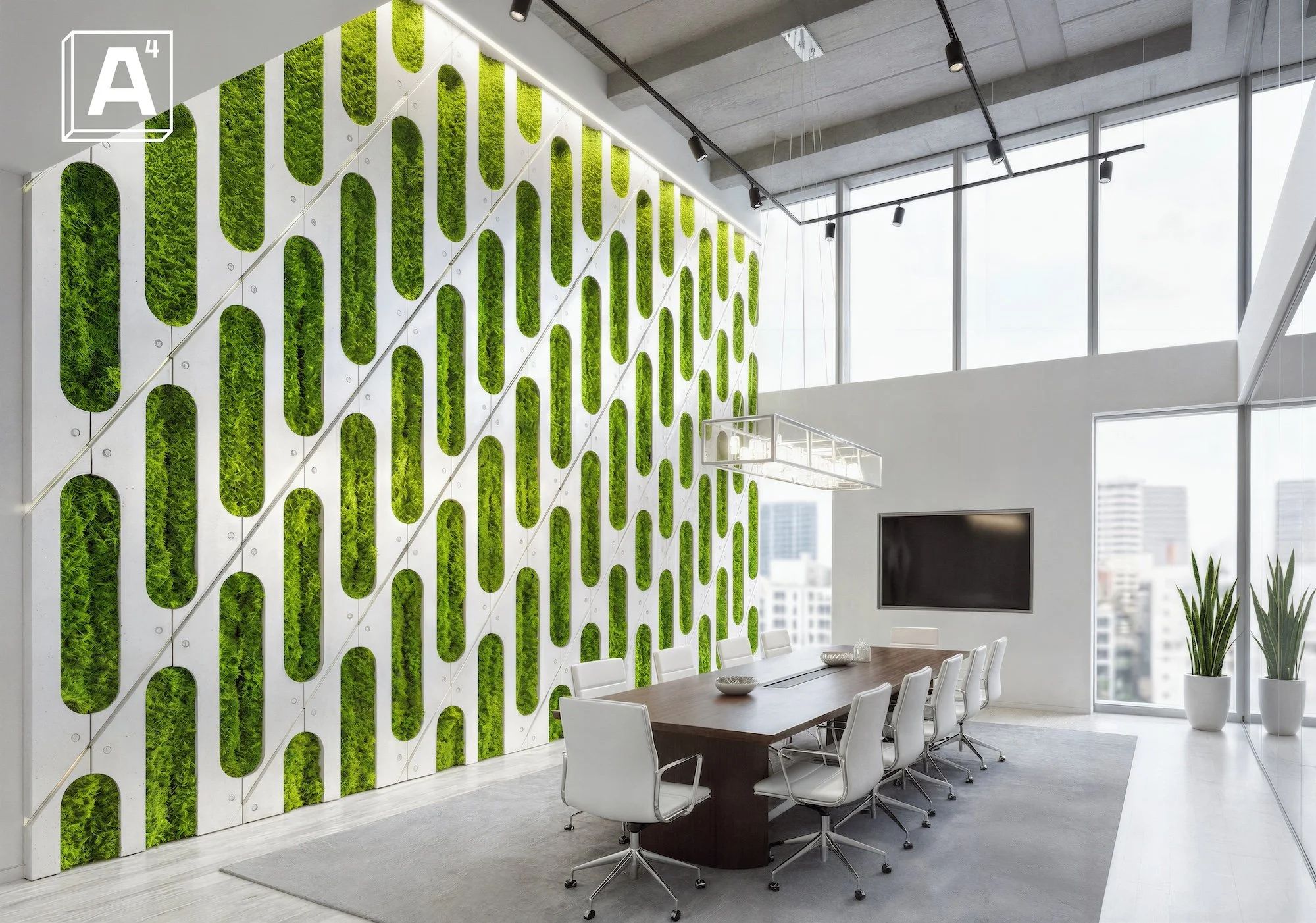
This could change how we think about the facade. It is no longer simply a protective skin between inside and outside. It can become infrastructure: environmental, ecological, sensory and cultural.
And this applies inside as well as out. Alive Labs is developing living interior systems that can bring nature into schools, hospitals, workplaces and other buildings, creating spaces that people can see, touch and experience.
Perhaps this is where the next chapter of Biophilic Design lies: not simply putting nature into buildings, but designing buildings that work with nature.
Because, ultimately, architecture is about more than solving today's problems.
“Buildings and our expressions in them are an expression of hope.”
That feels like a good place to start imagining our cities of the future.
The Journal of Biophilic Design has produced a Monograph with Nicky Naidu and Alive Labs, exploring the ideas, materials and thinking behind this pioneering approach to living architecture. The Monograph is available to explore alongside our interview with Nicky. https://journalofbiophilicdesign.com/biophilic-design-monographs
Download your own copy of the Monograph for FREE here
Find out more about Alive Labs
Alive Labs: www.alivelabs.co.uk
About the Journal of Biophilic Design
The Journal of Biophilic Design explores the intersection of nature, science, architecture, interiors, landscape, environmental psychology, health and wellbeing – bridging the gap between research and practice.
Subscribe, explore our latest issues and discover more conversations with the people shaping the future of Biophilic Design.
#BiophilicDesign #AliveLabs #NickyNaidu #LivingArchitecture #BioreceptiveDesign #Architecture #SustainableArchitecture #RegenerativeDesign #UrbanDesign #Moss #GreenInfrastructure #ClimateResilience #BiomimeticDesign
And listeners don't forget our FREE newsletter giveaway! https://mailchi.mp/journalofbiophilicdesign.com/50-free-subscription-promotion
Sign up before the end of August 2026 and you'll be entered into our prize draw to win one of 50 digital subscriptions to The Journal of Biophilic Design.
Join thousands of readers receiving the latest biophilic design inspiration, research and projects every week. Just head to journalofbiophilicdesign.com.
Have you got a copy of the Journal? You can now subscribe as a member of the Journal of Biophilic Design or purchase a gorgeous coffee table reference copy or PDF download of the Journal journalofbiophilicdesign.comor Amazon and Kindle.
Credits: with thanks to George Harvey Audio Production for the calming biophilic soundscape that backs all of our podcasts.
Listen to our podcast on Audible, Amazon Music, Spotify, iTunes, YouTube and all the RSS feeds.
https://www.facebook.com/journalofbiophilicdesign/
https://www.linkedin.com/company/journalofbiophilicdesign/
https://www.instagram.com/journalofbiophilicdesign
If you like this,please subscribe!