What happens when we stop looking at a building simply as a building?
For Lincoln Stoller, physicist, psychotherapist and son of celebrated architectural photographer Ezra Stoller, the answer lies somewhere between architecture, psychology, nature, photography and the human capacity to experience something beyond the immediately visible.
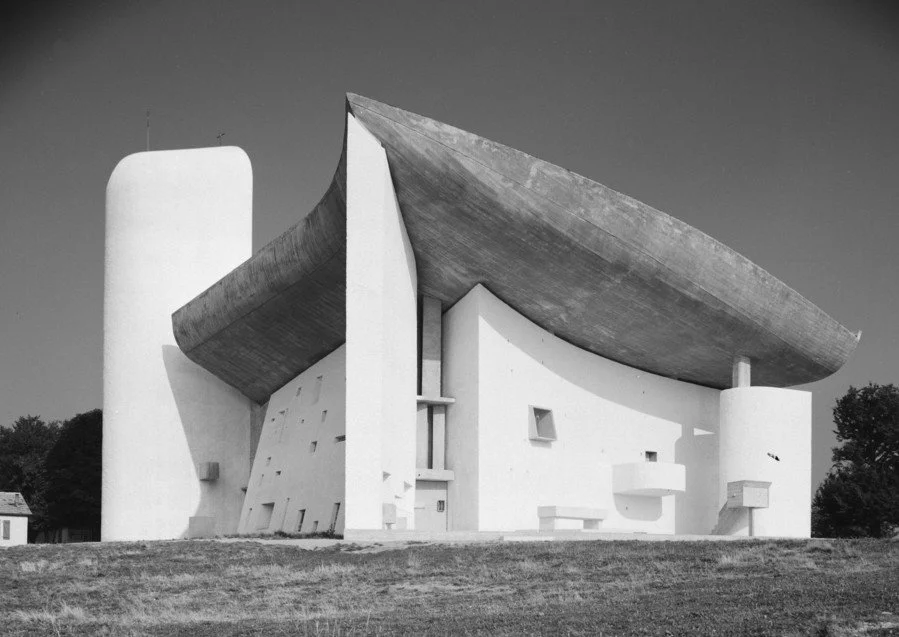
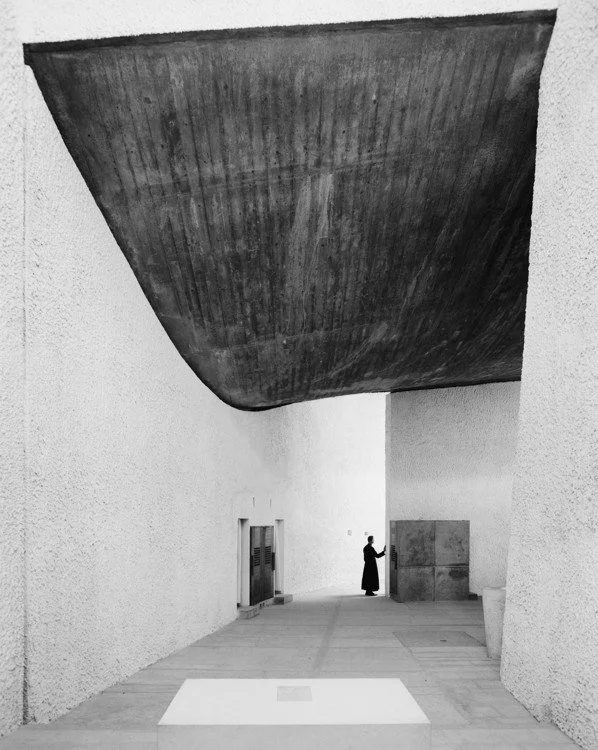
Le Corbusier’s Notre Dame de Haut, photogrpahed by Ezra Stoller. To buy the book of the photography visit the kickstarter link below.
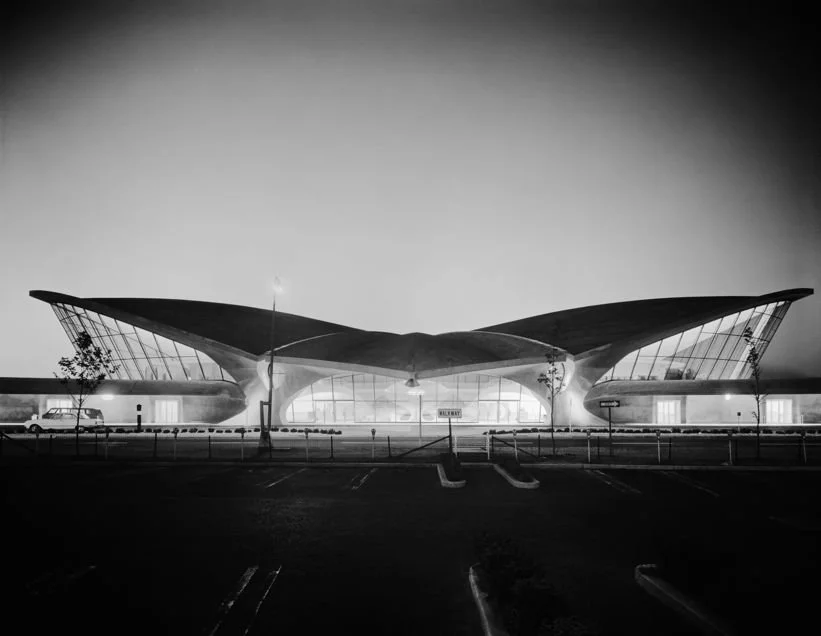
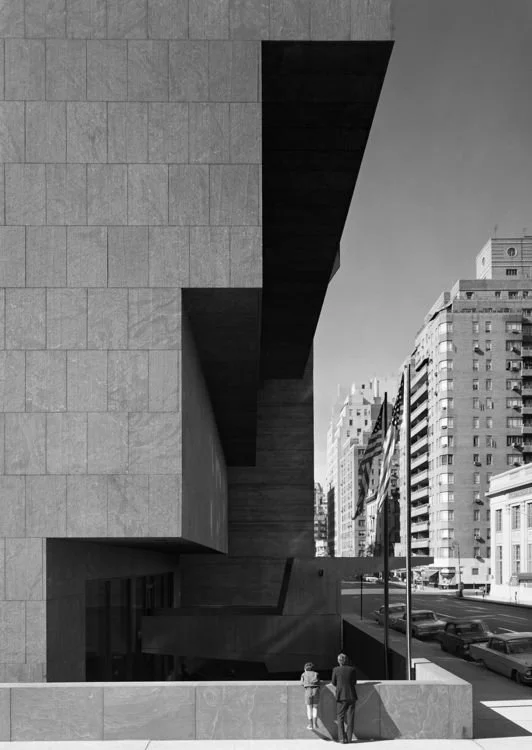
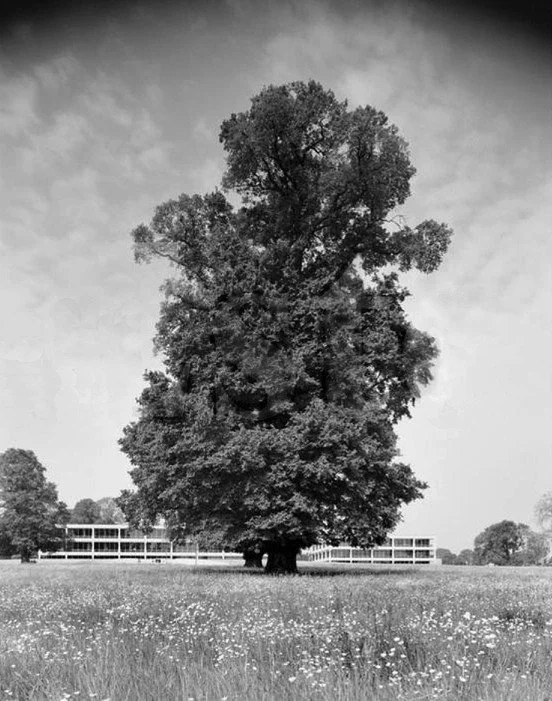
Ezra Stoller was regarded as one of the pre-eminent architectural photographers of his generation. His extraordinary archive includes some of the most significant buildings of twentieth-century modernism, photographed not simply as objects, but as experiences. His approach was distinctive: rather than producing straightforward images designed to showcase a building, he sought something beyond it – what Lincoln describes as the “essential and ethereal.”
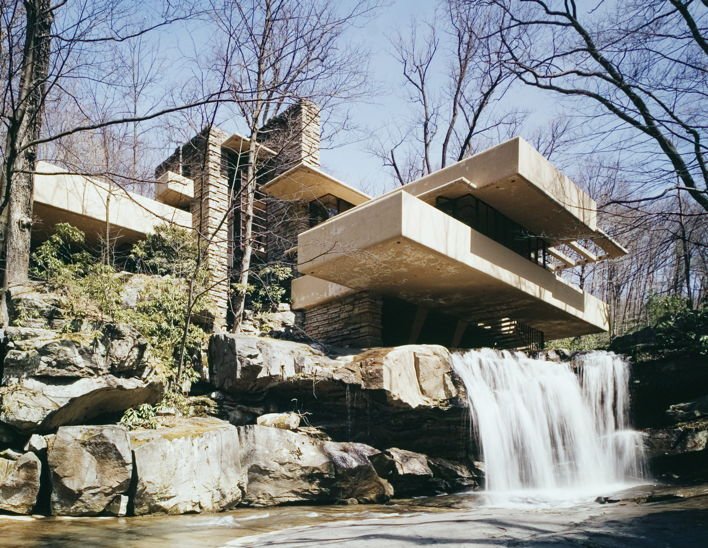
Frank Lloyd Wright’s Falling Water, photographed by Ezra Stoller (to buy a book of the photography, see the Kickstarter link below)
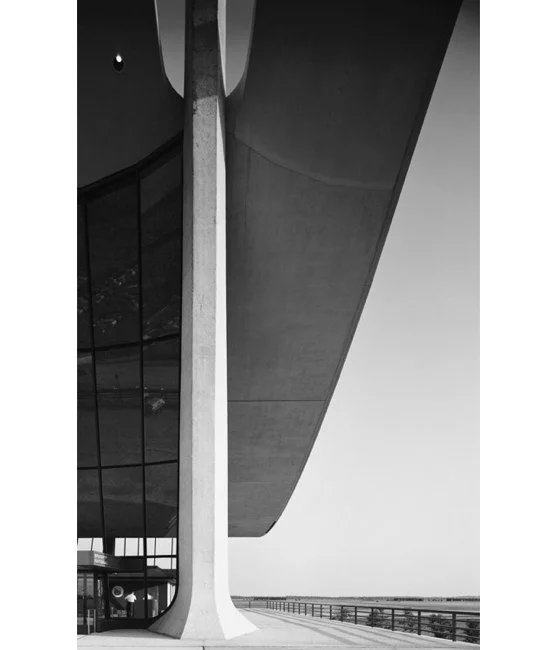
Dallas Airport, photography by Ezra Stoller, to buy the book of Ezra’s photographs visit the Kickstarter link below.
This is particularly fascinating when we consider Frank Lloyd Wright, whose architecture is now frequently discussed through the lens of Biophilic Design, despite Wright never using the term. Wright trusted Ezra to understand what he was trying to achieve without needing to explain it. Lincoln describes their relationship as almost a meeting of opposites: Wright the forceful creator, Ezra the sensitive and receptive observer. Together, they understood something difficult to put into words – the ineffable quality of space.
We talk increasingly about awe: the experience of encountering something larger, more complex or more powerful than ourselves. In Biophilic Design, awe can be created through views, scale, natural processes, unexpected vistas, light, movement and encounters with the living world. Wright intuitively understood the power of these experiences. At Fallingwater, for example, architecture, water, landscape, movement and changing views combine to create something that is far more than a collection of rooms.
Ezra's photographs similarly invite us to pause. They create vistas within vistas, playing with light, scale, confinement, openness and perspective. They ask us not simply to look, but to notice, associate, feel and imagine. As Lincoln puts it, the best photographs can call into our minds things we have not previously seen, felt or thought.
That makes Eye of the Beholder more than an architectural photography book. It is an invitation to reconsider how we see the built environment – and what it might reveal about ourselves.
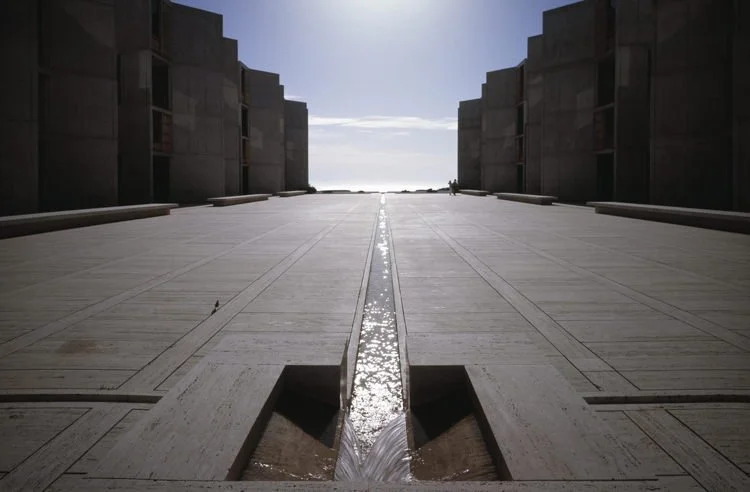
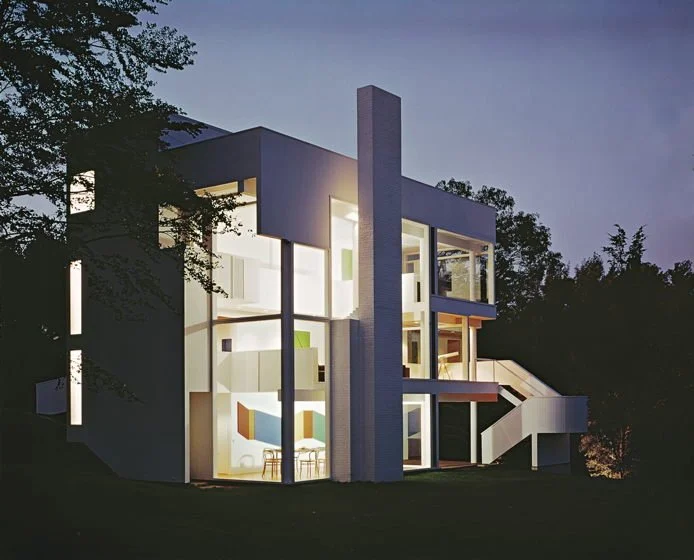
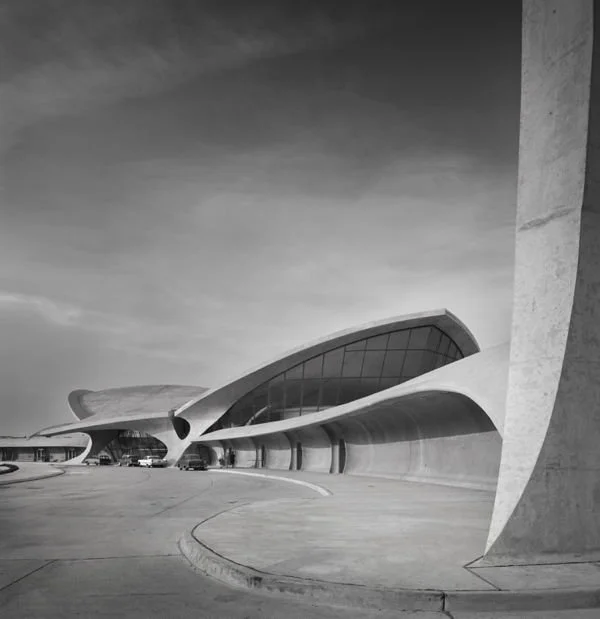
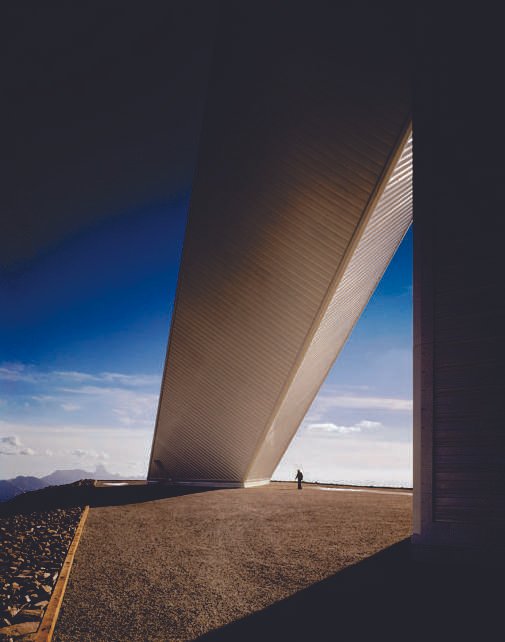
Lincoln is currently raising support through Kickstarter to preserve Ezra Stoller's remarkable photographic archive and bring these images and their stories together in a new book. For architects, designers, photographers, students and anyone interested in the relationship between people, place and perception, it is an opportunity to encounter some familiar buildings through very different eyes.
**To buy a copy of the book on Ezra Stoller, written by Lincoln Stoller visit: https://www.kickstarter.com/projects/mindstrengthbalance/from-the-eye-of-the-beholder
Links mentioned in the Podcast: https://www.mindstrengthbalance.com
Lincoln’s Substack article “Is Architecture History or Prophecy?”, https://mindstrengthbalance.substack.com/p/is-architecture-history-or-prophesy?triedRedirect=true
What is Biophilic Design: https://journalofbiophilicdesign.com/what-is-biophilic-design
If you love Architecture why not download our PDF on Biophilic Design and Architecture: https://journalofbiophilicdesign.com/shop/journal-of-biophilic-design-issue-17-architecture-ebook
** Win one of 50 digital subscriptions to the Journal of Biophilic Design, just sign up to our free newsletter throughout August 2026 sign up for the chance of winning: https://mailchi.mp/journalofbiophilicdesign.com/50-free-subscription-promotion
Please register for our newsletter on our website https://journalofbiophilicdesign.com/podcasts-journal-of-biophilic-design Credits: with thanks to George Harvey Audio Production for the calming biophilic soundscape that backs all our podcasts. Did you know our podcast is also on Audible, Amazon Music, Spotify, iTunes, and all the RSS feeds? Facebook https://www.facebook.com/journalofbiophilicdesign/ LinkedIn. https://www.linkedin.com/company/journalofbiophilicdesign/ Instagram https://www.instagram.com/journalofbiophilicdesign