In this episode, we’re joined by James Worth, a landscape architect whose work is focused on finding practical, sustainable solutions for the future of our built environment.
James is particularly passionate about Green Infrastructure and living architecture.
James has also launched a very exciting series of roundtable online discussions: International Design Conversations. They started on Thursday 13 August and continue all year, I am joining one in October Biophilic Hospitality, Wellness & Regenerative Tourism 22 October 2026
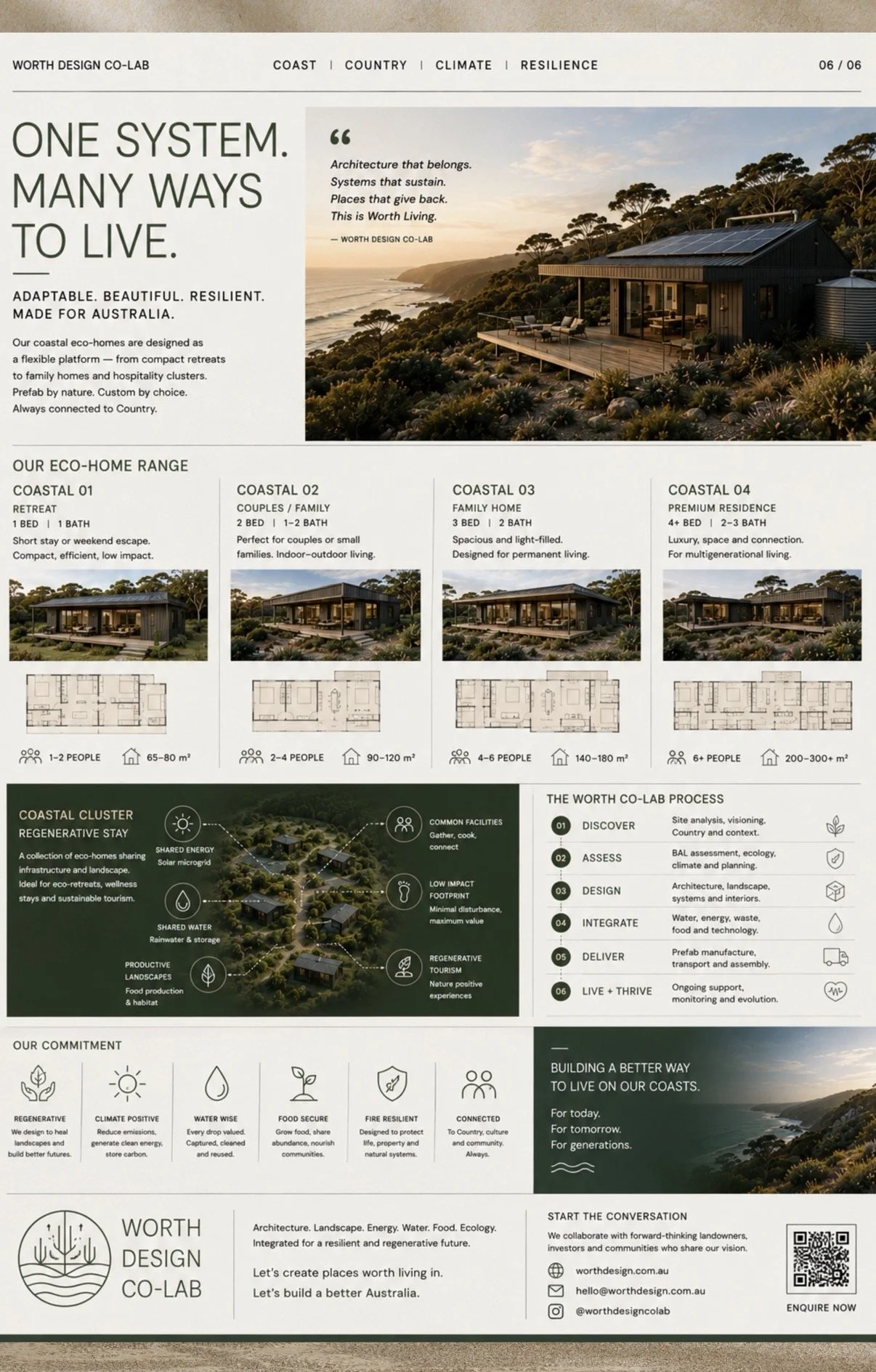
As our cities grow, access to clean air, clean water, biodiversity and meaningful connections with nature will become ever more important.
In this conversation, we explore living architecture, green infrastructure, urban density, clean air and water — and how we can design cities that work better for both people and the planet.
What happens when we stop thinking of nature as something we add to a building and start thinking about it as part of the infrastructure of the city itself? For landscape architect James Worth, the answer lies in bringing disciplines, ideas and people together — and fundamentally rethinking how we design our urban environments.
James has loads of experience spanning parks and gardens, civic spaces, urban design, ecology and biodiversity.
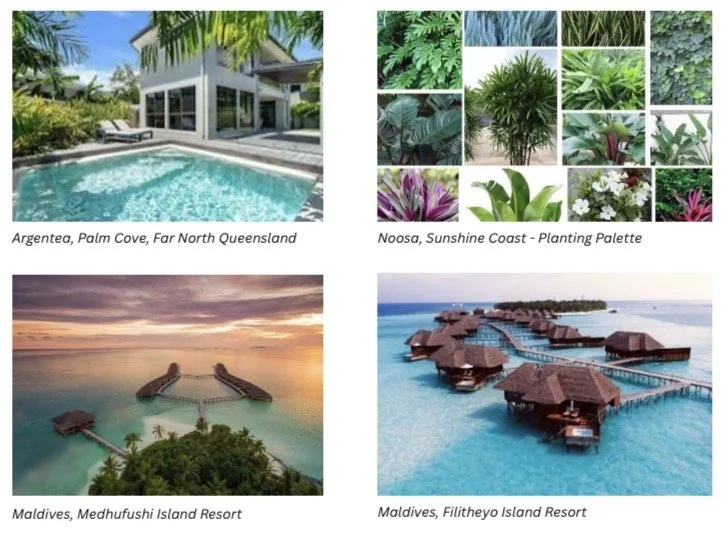
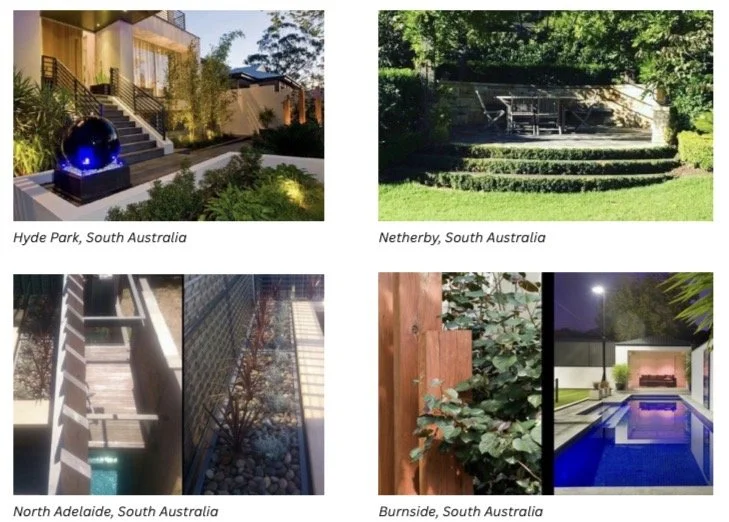

James believes landscape architecture has a critical role to play in creating healthier, more resilient cities. As urban populations grow, access to clean air, clean water, biodiversity, shade and meaningful connections with nature cannot remain an afterthought.
“There is the risk of green for aesthetic only,” he says, warning against greenwashing that makes a development look sustainable without delivering genuine environmental function. The answer is to go beyond the appearance of greenery and consider how landscape systems actually work, managing water, reducing heat, supporting biodiversity and reconnecting people with nature.
“It’s very hard to retrofit trees and walls and roofs,” he points out. This is why landscape architects need to be part of the conversation from the beginning. Trees, rain gardens, green roofs, green walls, water systems and communal spaces cannot simply be retrofitted once the buildings have been designed.
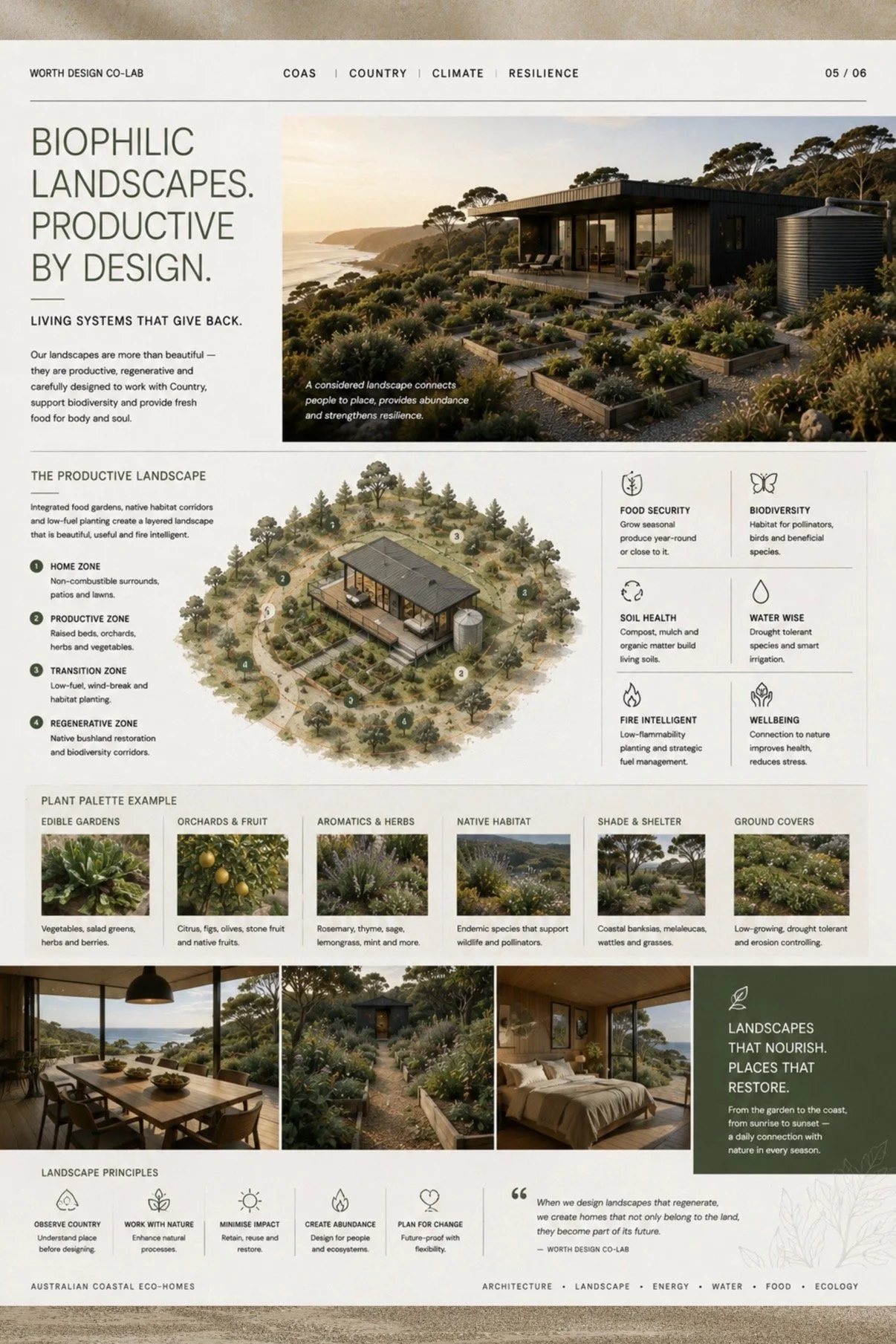
That philosophy is also behind James’ International Design Conversations, a series of online round-table discussions bringing together voices from different disciplines, cultures and areas of expertise. His motivation came partly from seeing how professional and governmental departments can operate in silos.
“The best decisions come around the round table,” he says. The conversations deliberately bring academia together with private industry, alongside architects, town planners, engineers, ecologists, water specialists and biologists. “We can all advance sustainability together at a micro and macro planning level.”
For biophilic designers, this interdisciplinary approach is crucial. Biophilic design helps practitioners understand the complex relationships between people, place, ecology, materials, water, climate and biodiversity. James describes this as a form of professional “symbiosis, one helping the other rather than not being mutually beneficial.”
His vision for the future is not necessarily about building less densely, but about building more intelligently. Mid-rise development, green roofs, rain gardens, communal spaces, tree canopy and nature-based infrastructure can help us achieve density without creating ever more hostile concrete environments.
Asked what he would create if he could paint the world with a magic brush of biophilia, James answered: “I would ensure that the places we inhabit don't take up so much space and give a lot more back to the greenery of the nature in the environment that we're living in.”
That feels like a very good place to begin rethinking the city.
Visit our events page to find out more: https://journalofbiophilicdesign.com/events-1
Or go straight to the International Design Conversations website:
Our conversation on 22 October: https://www.worthdesign.com.au/idc005
Find out more about Landscape Architecture and Biophilic Design start here: https://journalofbiophilicdesign.com/shop/journal-of-biophilic-design-issue-20-landscape-architecture-ebook
What is Biophilic Design? https://journalofbiophilicdesign.com/what-is-biophilic-design
Win one of 50 FREE digital subscriptions to the Journal of Biophilic Design memberships worth £89.99! https://mailchi.mp/journalofbiophilicdesign.com/50-free-subscription-promotion
Credits: with thanks to George Harvey Audio Production for the calming biophilic soundscape that backs all of our podcasts.
Listen to our podcast on Audible, Amazon Music, Spotify, iTunes, YouTube and all the RSS feeds.
https://www.facebook.com/journalofbiophilicdesign/
https://www.linkedin.com/company/journalofbiophilicdesign/
https://www.instagram.com/journalofbiophilicdesign
If you like this,please subscribe!