indigenous

How do we make our increasingly dense cities healthier, greener and more resilient?

How do we make our increasingly dense cities healthier, greener and more resilient?

As our cities grow, access to clean air, clean water, biodiversity and meaningful connections with nature will become ever more important.

In this conversation, we explore living architecture, green infrastructure, urban density, clean air and water — and how we can design cities that work better for both people and the planet.

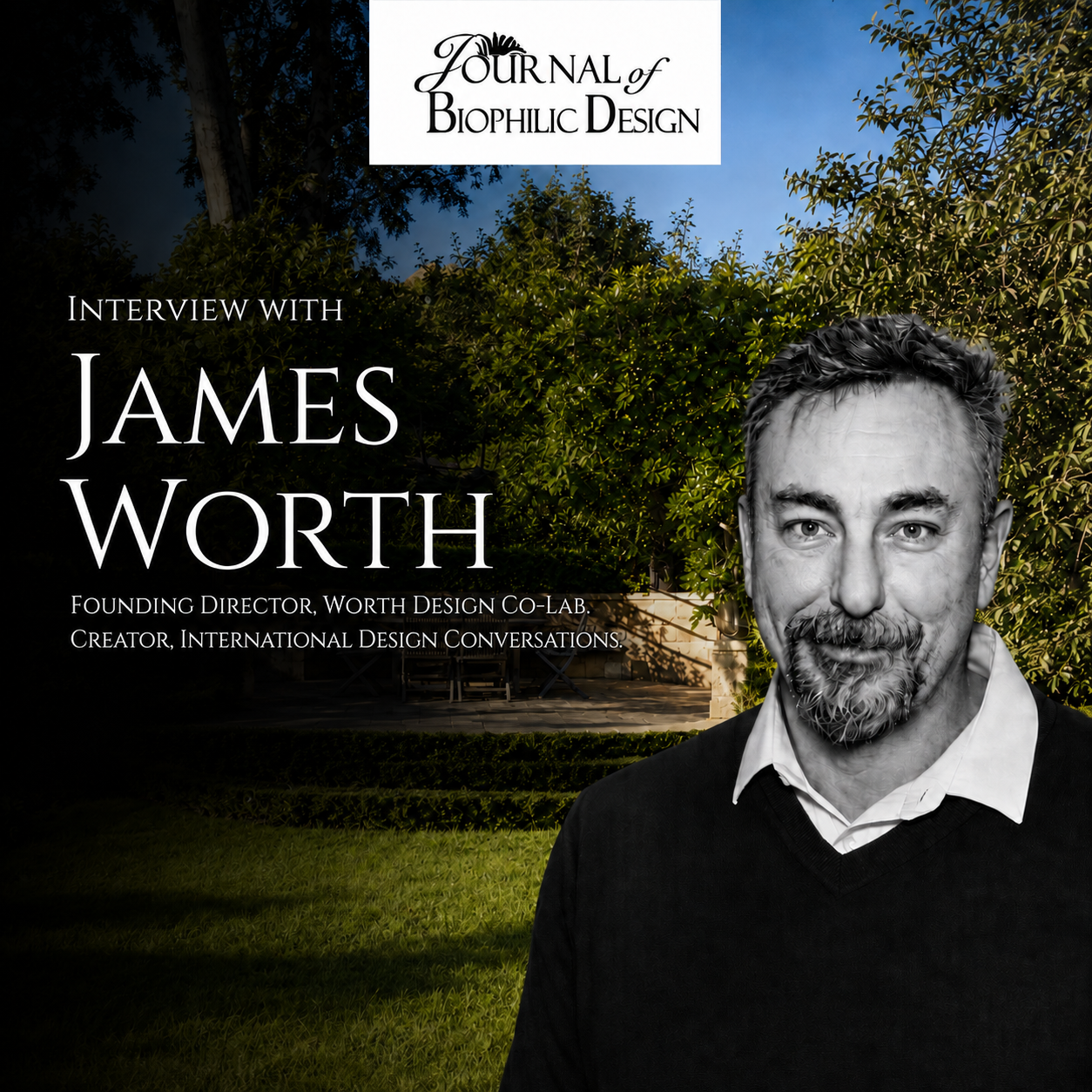
What happens when we stop thinking of nature as something we add to a building and start thinking about it as part of the infrastructure of the city itself? For landscape architect James Worth, the answer lies in bringing disciplines, ideas and people together — and fundamentally rethinking how we design our urban environments.
Biophilia: Africa, Nature and Remembering What It Means to be Human

Biophilia: Africa, Nature and Remembering What It Means to be Human

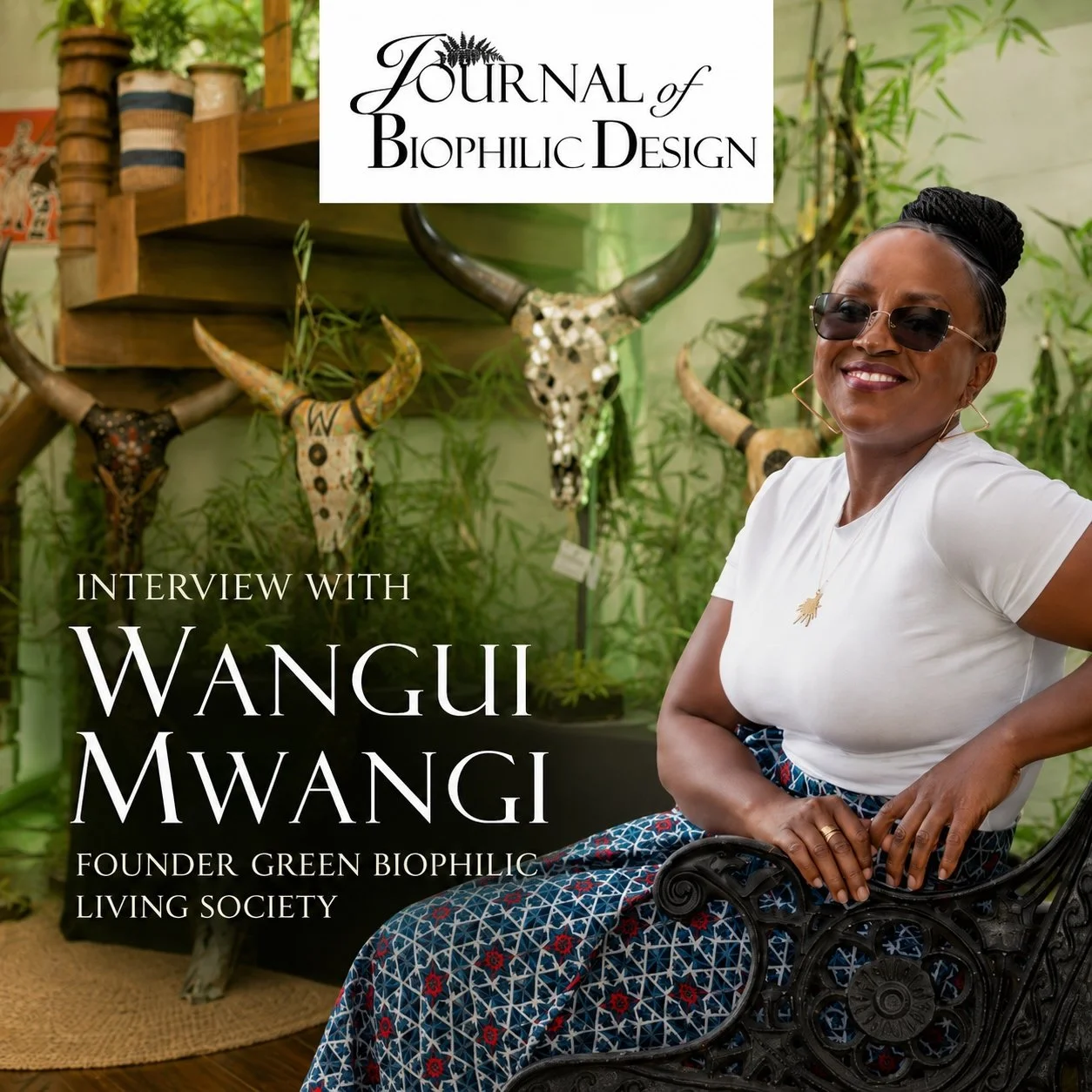
As Biophilic Design continues to gather momentum around the world, much of the conversation has centred on research emerging from Europe, North America and Australia. Yet one of the most powerful perspectives may come from a continent where living with nature has never been considered a design trend at all. For Wangui Mwangi, Founding Chair of the Green Biophilic Living Society and Convener of the Africa Biophilic Building Conference & Expo 2026, biophilia is less about innovation than remembering.

Speaking on the Journal of Biophilic Design podcast, she describes traditional African settlements where buildings were constructed using local materials, courtyards encouraged natural ventilation, communities lived outdoors, and architecture reflected both ecological intelligence and spiritual connection.

Watch the interview and read more…