As Biophilic Design continues to gather momentum around the world, much of the conversation has centred on research emerging from Europe, North America and Australia. Yet one of the most powerful perspectives may come from a continent where living with nature has never been considered a design trend at all.
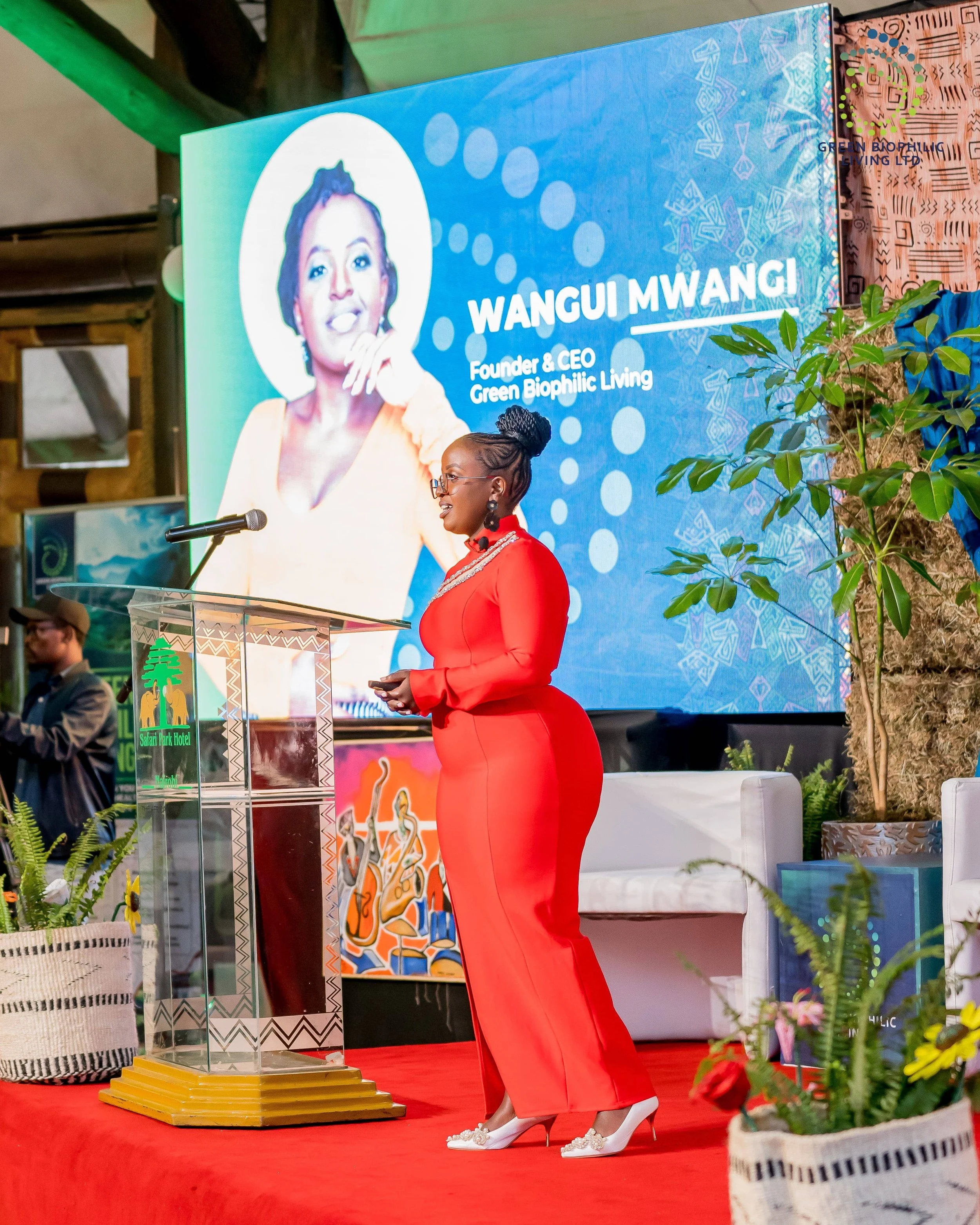
For Wangui Mwangi, Founding Chair of the Green Biophilic Living Society and Convener of the Africa Biophilic Building Conference & Expo 2026, biophilia is less about innovation than remembering.
"Africa has always lived biophilically. Our ancestors have always lived biophilically."
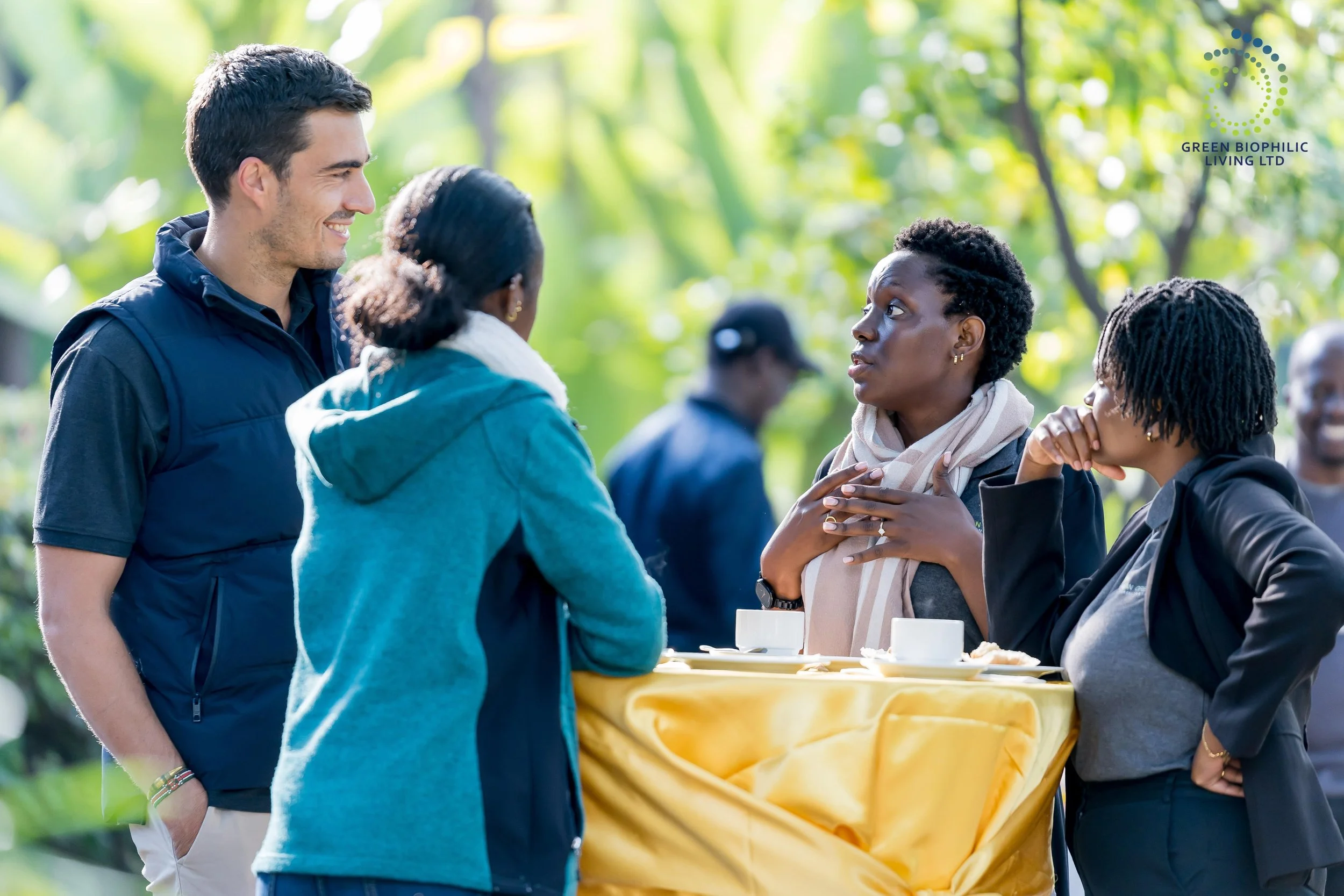
Wangui believes the rest of the world has much to learn from centuries of indigenous knowledge, vernacular architecture and cultural traditions that have always recognised humanity as part of nature rather than separate from it.
Speaking on the Journal of Biophilic Design podcast, she describes traditional African settlements where buildings were constructed using local materials, courtyards encouraged natural ventilation, communities lived outdoors, and architecture reflected both ecological intelligence and spiritual connection.
"Nature was never separate from humanity," she explains. "Nature was part of everything that we did."
That philosophy extended far beyond buildings. Food, farming, storytelling, music, clothing and community life all reinforced a reciprocal relationship with the natural world. Today, as cities across Africa expand rapidly, Wangui believes those principles are becoming more important than ever.
Remembering rather than reinventing
One of the most refreshing aspects of Wangui's work is her refusal to romanticise the past.
"This is not about necessarily going back to building how we built in the 20s," she says. "It's about picking the techniques. It's about using the tech that we have right now and enhancing that."
This blend of indigenous wisdom with contemporary innovation sits at the heart of the Green Biophilic Living Society, an organisation that has grown remarkably quickly since Wangui first began sharing her passion for biophilia on LinkedIn. After growing up surrounded by wildlife on the outskirts of Nairobi, Wangui found herself working within increasingly urban environments. She noticed she felt calmer whenever she escaped into nearby green spaces during lunch breaks. "I started Googling what is going on? Why are my afternoons better?" Discovering the science of biophilia gave language to feelings she had always understood instinctively. "I became completely passionate, obsessively passionate about wanting to share this information."
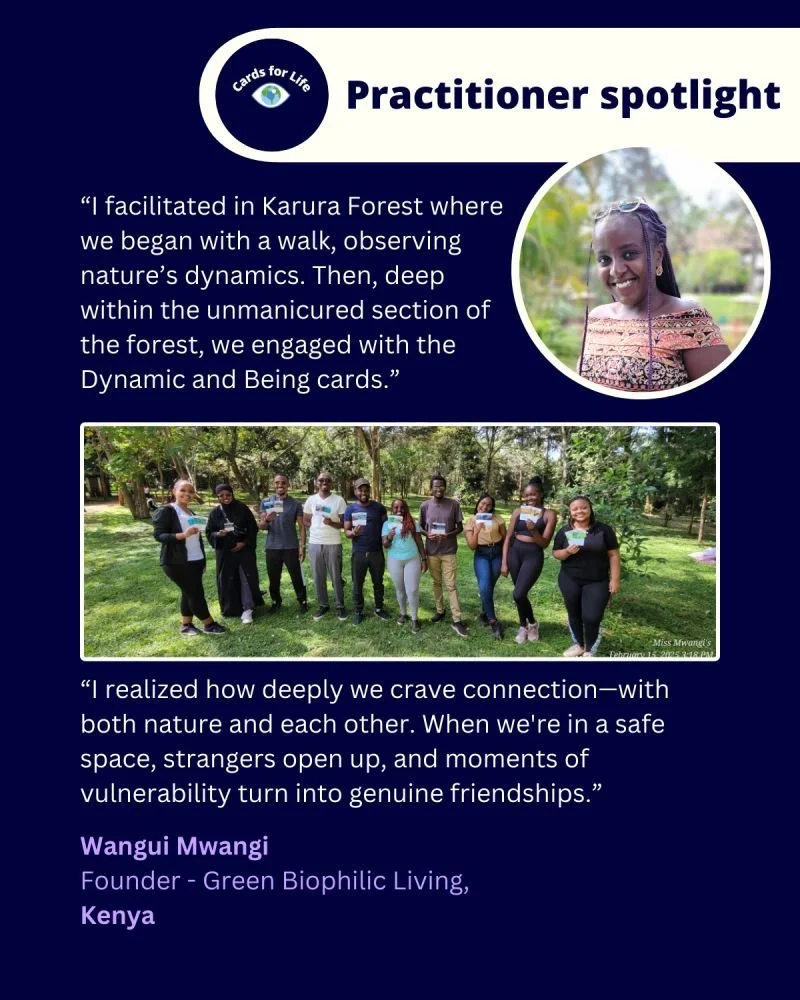
That passion has now brought together architects, doctors, farmers, lawyers, policymakers, educators and developers, all recognising that healthier futures require systems thinking rather than isolated solutions. This resonates so closely with our journey here at the Journal of Biophilic Design as well. My own personal journey was linked to direct emotional and physical transformation after connecting with nature.
Why policy matters
Throughout our conversation, one theme repeatedly emerged: policy. We agreed we need to embed biophilic thinking into national building standards. "I think biophilia needs anchorage within the policy structure, within the building codes."
Kenya is already making significant progress through the development of its own green building standards, where considerations such as indigenous planting, bioswales, pollinator habitats, bird feeders and water management are becoming part of mainstream conversations.
This mirrors a growing international recognition that Biophilic Design is a framework capable of supporting biodiversity, climate resilience, public health and long-term economic value simultaneously.
Community is infrastructure
Perhaps the most moving part of our discussion came when imagining Africa twenty years from now. Rather than talking first about technology or buildings, Wangui spoke about people. She imagines neighbourhoods where courtyards encourage neighbours to gather, where children play outdoors, where communities share meals together, and where buildings function as ecosystems rather than isolated objects.
"I see people walking with a sense of pride and a sense of dignity... people who wake up to the sound of birds."
Her vision reminds us that Biophilic Design is about relationships, between people, place and nature.
Women leading the conversation
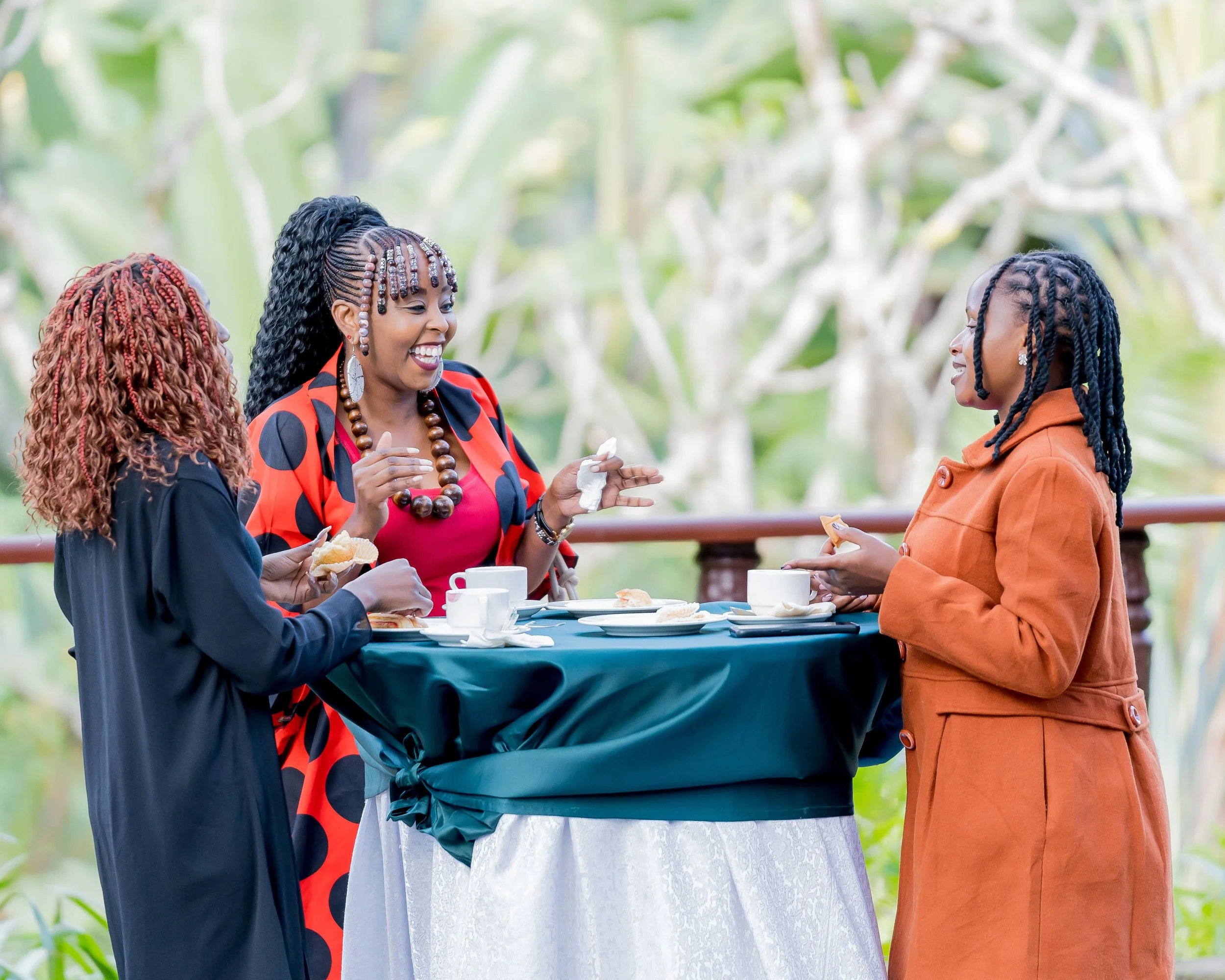
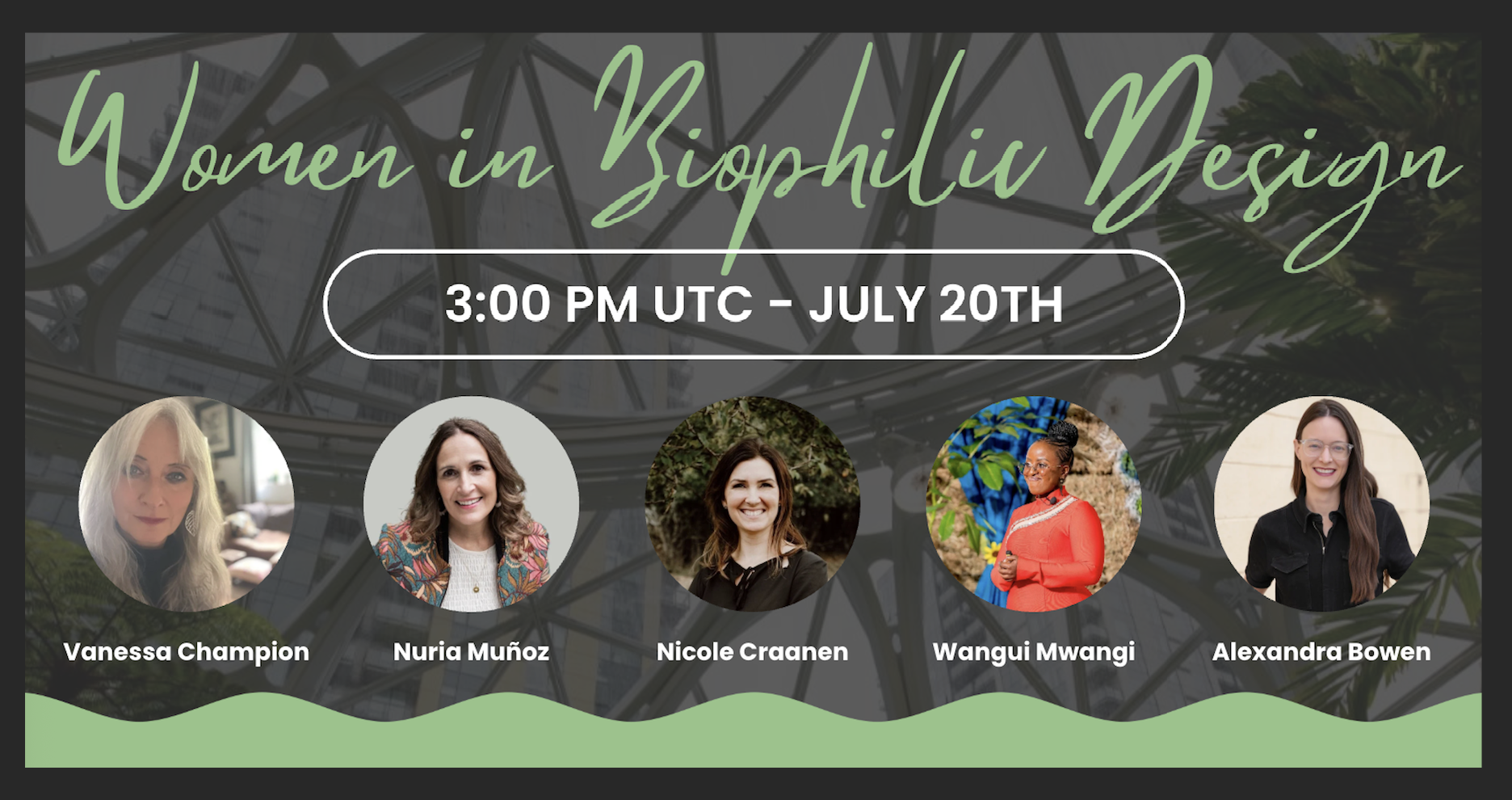
One particularly exciting development this year is the launch of Women in Biophilic Design, bringing together female leaders from across the world to discuss the future of our profession. Wangui will be joining us alongside an international panel of designers, researchers and practitioners exploring how diverse perspectives are helping shape healthier places.
Reflecting on why women have become such strong voices within the movement, Wangui believes it stems from an instinctive understanding of care and stewardship.
"I think the nurturing aspect of women really flows into any space that we get to hold. And that is what the world needs right now."
It is a reminder that designing with nature is also about designing with empathy.
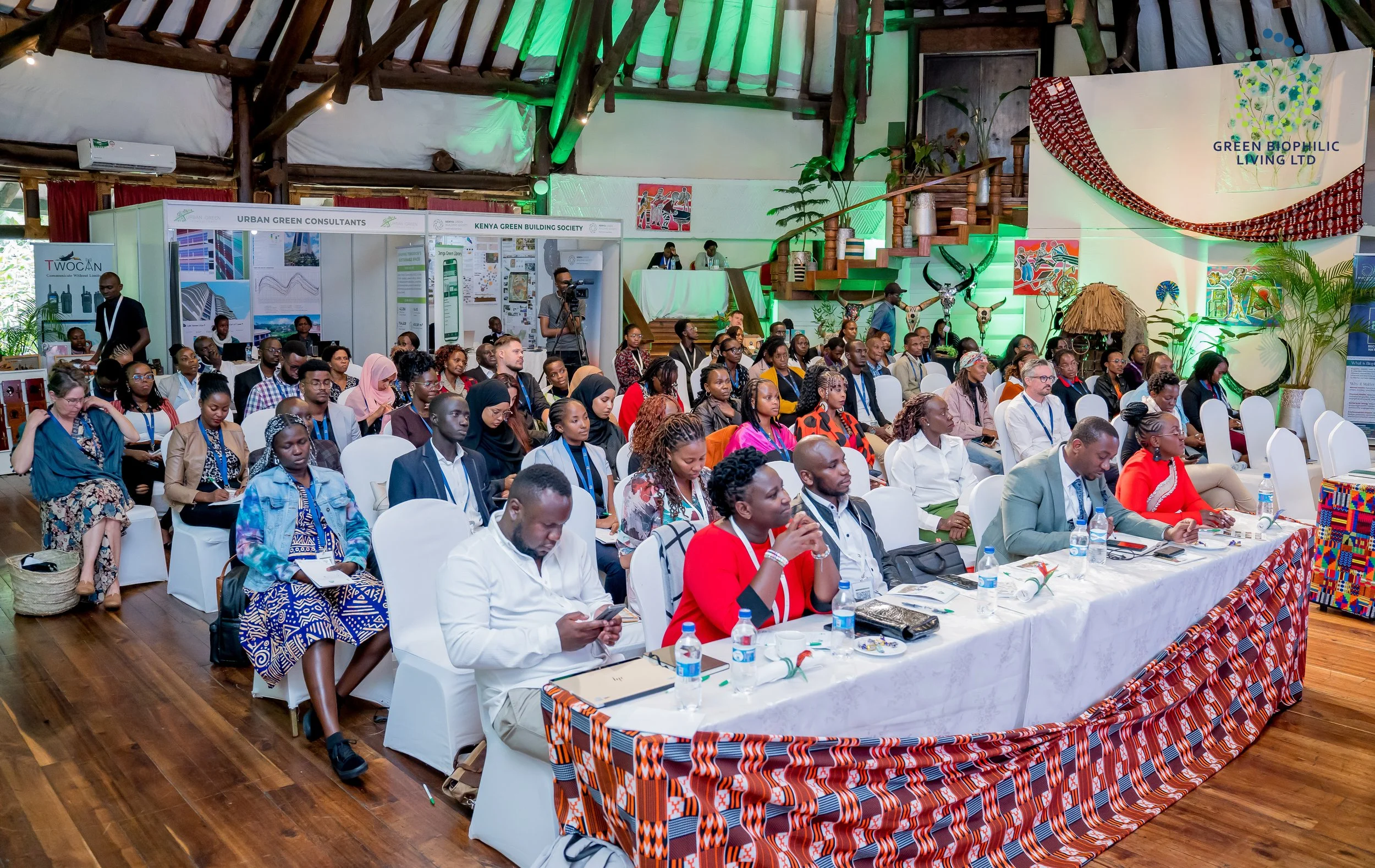
Looking ahead - Africa Biophilic Building Conference & Expo
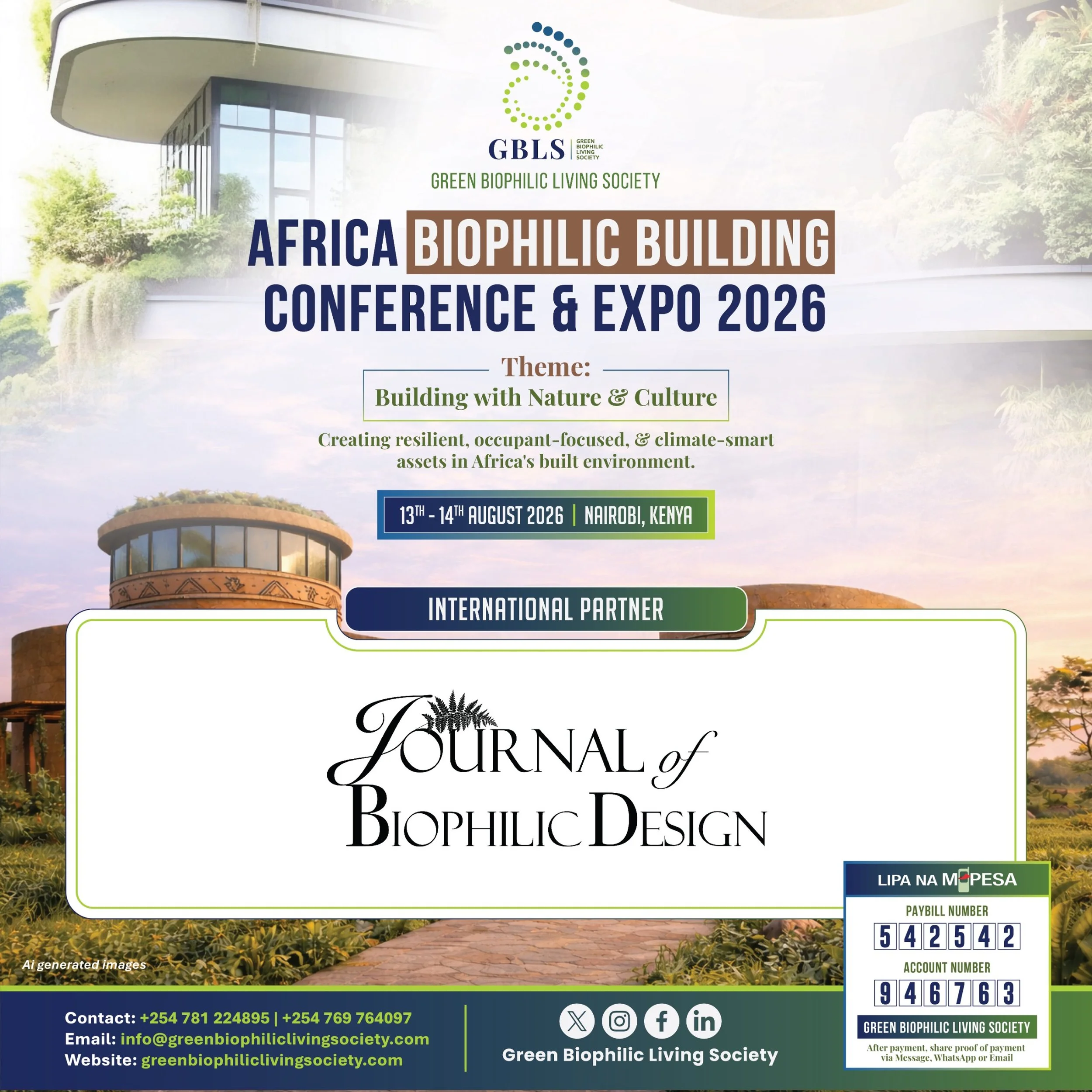
The inaugural Africa Biophilic Building Conference & Expo, taking place in Nairobi this August, promises to become a significant milestone in the global movement. Bringing together architects, policymakers, educators and researchers, it aims to demonstrate that Africa is not simply adopting Biophilic Design—it is helping redefine it.
As Wangui says, there are still countless stories waiting to be told.
"The African story has not yet really been told... there's so much that has not been tapped into."
The future heartbeat of Biophilic Design depends on learning from diverse cultures and ecological wisdom, I hope you join us on the 20th July for the Women in Biophilic Desing Linkedin Live, and also if you are in the African Continent of have colleagues over there, you join the Africa Biophilic Building Conference and Expo.
JOIN THE CONVERSATION:
20th July Linkedin Live – Women in Biophilic Design – sign up here
https://www.linkedin.com/events/womeninbiophilicdesign7472703290913341440/theater/
13-14 August 2026 - Africa Biophilic Building Conference and Expo – register here:
Have you got a copy of the Journal? You can now subscribe as a member of the Journal of Biophilic Design or purchase a gorgeous coffee table reference copy or PDF download of the Journal journalofbiophilicdesign.comor Amazon and Kindle.
Credits: with thanks to George Harvey Audio Production for the calming biophilic soundscape that backs all of our podcasts.
Listen to our podcast on Audible, Amazon Music, Spotify, iTunes, YouTube and all the RSS feeds.
https://www.facebook.com/journalofbiophilicdesign/
https://www.linkedin.com/company/journalofbiophilicdesign/
https://www.instagram.com/journalofbiophilicdesign
If you like this,please subscribe!