
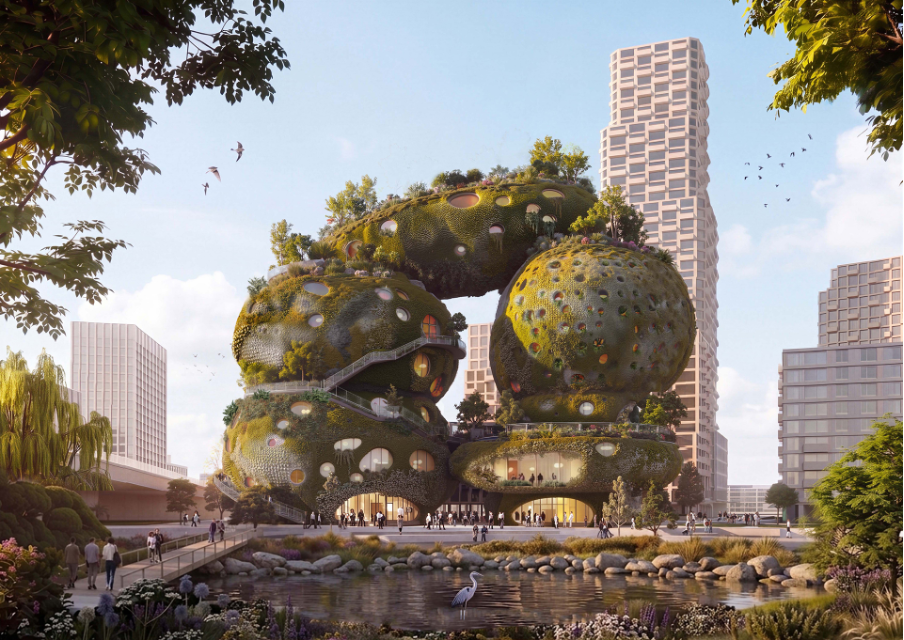
Biophilic Design - the Missing Link in Delivering the Future Homes and Buildings Standards
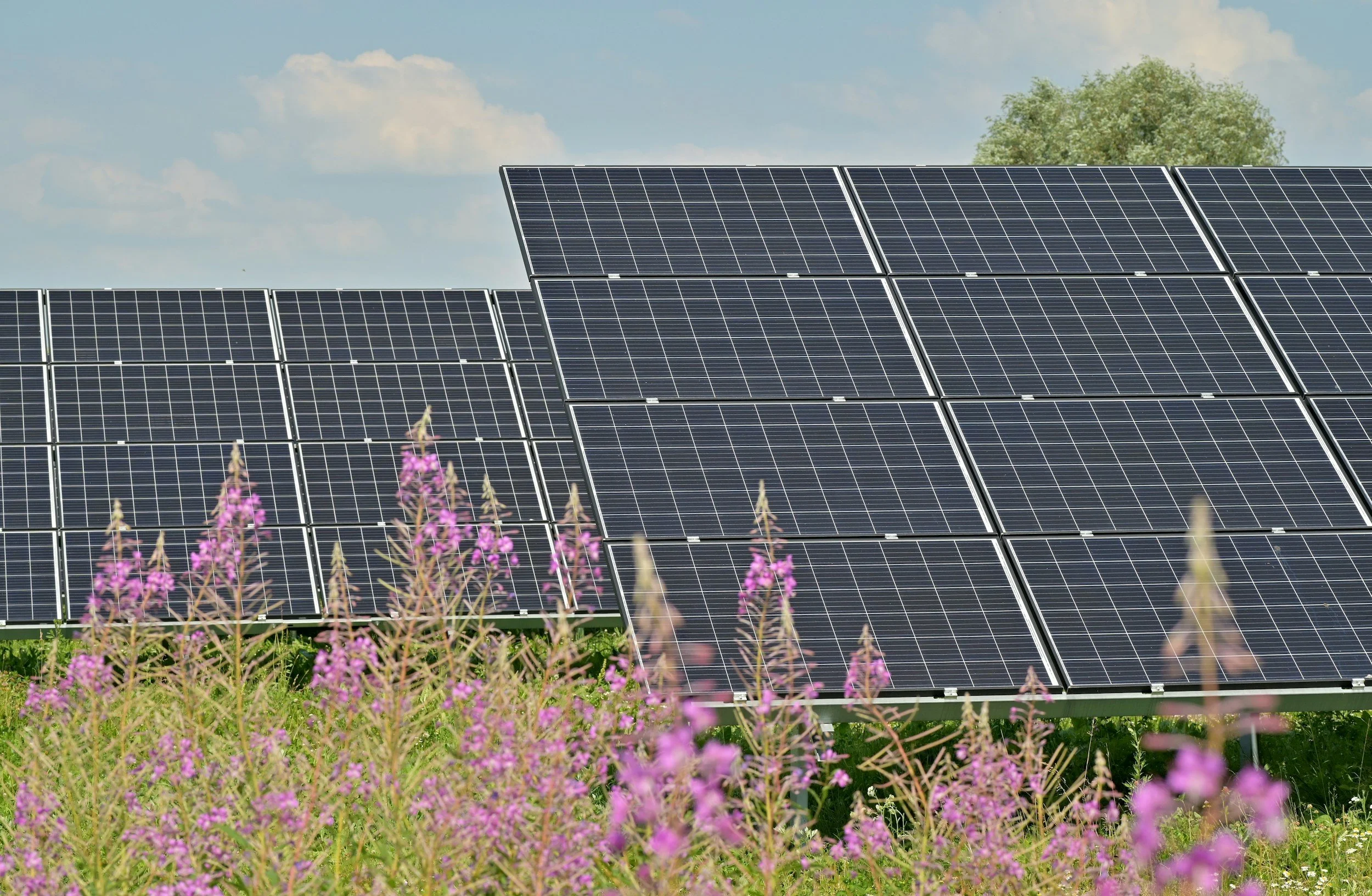
From March 2027, England's new Future Homes and Buildings Standards will fundamentally change the way we design new homes. Among the most significant amendments is the introduction of a new functional requirement (L3), requiring on-site renewable electricity generation for new dwellings and residential buildings. At the same time, Part L of the Building Regulations shifts its emphasis beyond simply conserving energy to also reducing greenhouse gas emissions.
For architects, designers, planners and developers, the conversation has understandably centred around technologies such as solar photovoltaics, heat pumps and smart controls. Yet there is a danger that renewable systems become viewed as solutions in isolation. Technology performs best when it works with nature rather than against it—and that is precisely where Biophilic Design has an important role to play.
Biophilic Design is often associated with planting, biodiversity and occupant wellbeing, but at its core it is about understanding natural systems. Before selecting renewable technologies, we should first ask: how does this site already work? Where does the sun travel? How do prevailing winds move across the landscape? Which existing trees provide seasonal shade? How can natural daylight reduce the need for artificial lighting? These are biophilic questions, but they are also questions of building performance.
READ one
Biophilic Design could help keep our cities – and our tempers – cool

If you've found yourself feeling more irritable during the recent heatwaves, you're not imagining it. A recent Guardian article explored the growing body of research showing that high temperatures affect far more than our physical comfort. Heat places the body under stress, disrupting sleep, increasing fatigue and dehydration, making us less patient, less focused and more prone to conflict. Studies have even linked hotter days with increases in aggression, road rage and mental health emergencies.
This is precisely why Biophilic Design needs to become central to the way we design our towns and cities. As temperatures continue to rise, we cannot rely solely on air conditioning and mechanical cooling. We need places that work with nature to create healthier, cooler and more resilient environments. READ ON…
The Hidden Story Behind This Year’s Stirling Prize: Biophilic Design
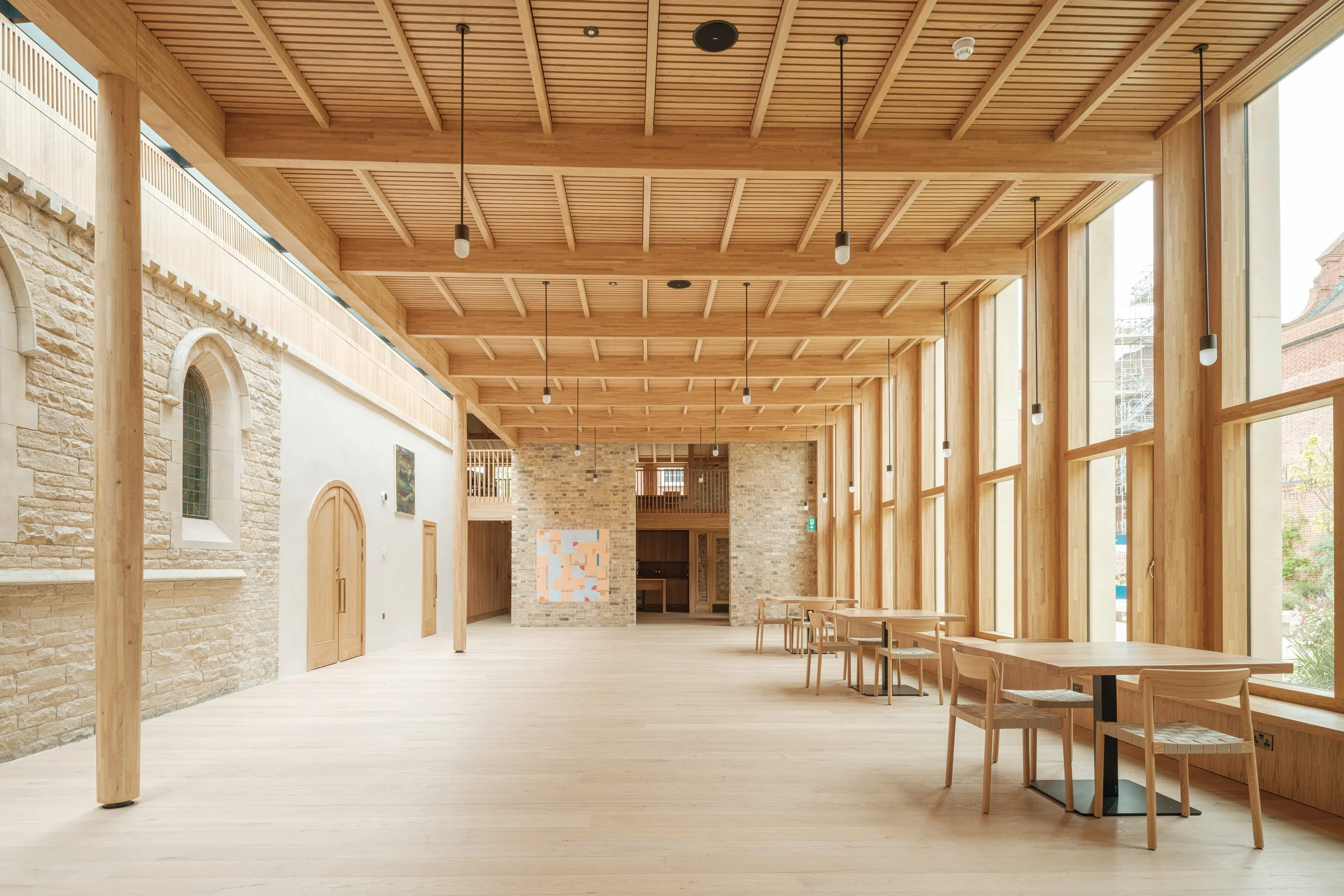
Every year the Stirling Prize celebrates architectural excellence. This year, however, another story emerges. Look beyond the headlines and a pattern begins to reveal itself. Britain’s best new buildings are increasingly embracing many of the principles of biophilic design, whether they call it that or not.
Beneath the discussion of materials, detailing and craftsmanship lies a common thread that is increasingly shaping Britain’s best architecture: a deeper connection between people, place and nature.
Whether through the warmth of timber, generous natural light, restorative views, biodiverse landscapes or carefully crafted communal spaces, many of this year’s shortlisted buildings demonstrate principles long championed by the Journal of Biophilic Design. They remind us that architecture is at its best when it supports both environmental resilience and human wellbeing.
Natural materials – timber, brick with tactile qualities, exposed structure and honest materiality.
Prospect and refuge – long views balanced with sheltered places to gather.
Natural light – daylight used as a design material rather than simply illumination.
Connection with living systems – landscapes, rivers, planting and seasonal change.
Community – courtyards, shared gardens, public squares and informal meeting places.
Awe and delight – spaces that inspire curiosity, wonder and emotional connection.
We are launching in Australia!

Journal of Biophilic Design Launches in Australia with Studio Chintamani at Futurebuild Sydney 2026 with their first formal international territory partnership. Sydney, Australia | 11–13 June 2026
Journal of Biophilic Design is officially launching in Australia through an exclusive partnership with Sydney-based Studio Chintamani, with the launch taking place at Futurebuild Sydney from 11–13 June 2026. Founded in the United Kingdom by Dr Vanessa Champion, the Journal of Biophilic Design has become a leading global voice exploring the relationship between nature, people and the built environment. The expansion into Australia marks a significant milestone in the Journal’s international growth and reflects the increasing global demand for healthier, more nature-connected approaches to architecture, interiors, urbanism and placemaking.
The Australian launch builds on the Journal’s steady and growing presence across Europe and internationally, alongside a rapidly expanding global audience through its podcast, which now reaches more than 40,000 monthly listeners worldwide. The Journal has also developed media partnerships with major international trade shows and design events and was recently shortlisted for a BSME Award for its Art Team, recognising the strength and quality of its editorial and visual storytelling.
As the platform continues to grow, the Journal of Biophilic Design is expanding its international network across research, publishing, marketing, commercial partnerships and business development, helping connect academia, industry and practice through a shared focus on nature-positive design.
The Natural Biophilic Solution to Health Housing and Climate - Response to the Kings Speech May 2026

The King’s Speech this week placed housing, clean water, energy independence, infrastructure and climate resilience firmly at the centre of the national conversation. For those of us working in and advocating for Biophilic Design, this moment matters deeply, because the ambitions outlined by government cannot truly succeed without a more fundamental shift in how we design places for people and planet.
READ ON…
Finding Harmony: a King’s Vision

Designers are always searching for ideas that endure — ideas rooted not only in aesthetics, but in how humans live, heal and belong within the natural world. That is why viewing Finding Harmony: A King's Vision matters now. The film brings together decades of thinking from King Charles III about our relationship with nature, communities and the built environment — themes that sit at the heart of biophilic design.
For architects, landscape architects and urban designers, the documentary offers more than a portrait of a monarch’s environmental advocacy. It is, in many ways, a historical record of ideas that anticipated today’s conversations around regenerative design, nature-based solutions and the social value of green space. In a moment when the profession is grappling with climate, wellbeing and how cities must evolve, the film provides context — and a reminder that these principles have deep roots.
Designers should watch it not simply as a documentary, but as a source of hope and inspiration. It shows that reconnecting people, place and nature is not an abstract theory but a lived practice — one that can shape farms, neighbourhoods, prisons, schools and entire communities. At a time when the future can feel uncertain, the film argues that harmony with nature is still possible, and that design has a crucial role in achieving it.