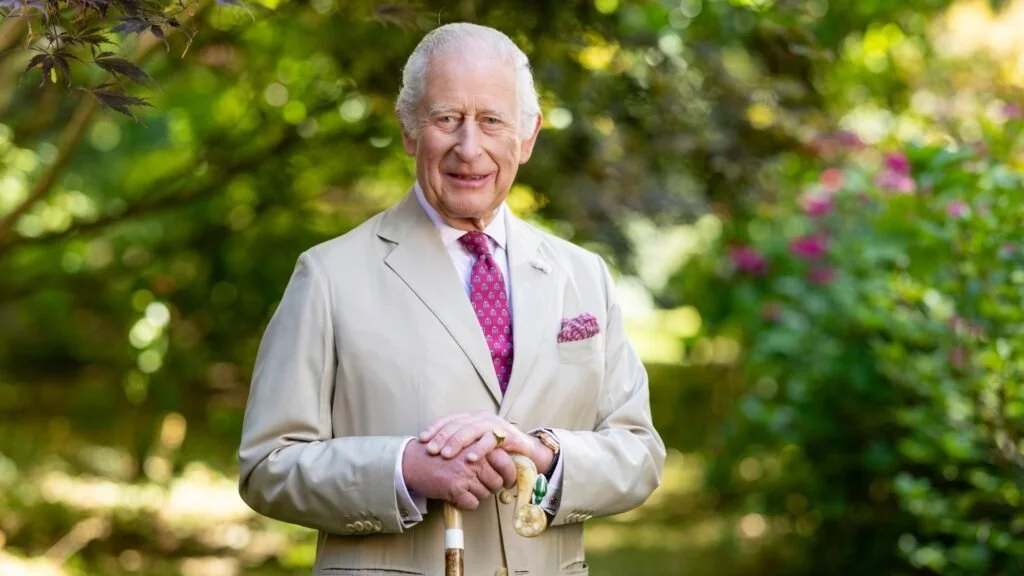
Designers are always searching for ideas that endure — ideas rooted not only in aesthetics, but in how humans live, heal and belong within the natural world. That is why viewing Finding Harmony: A King's Vision matters now. The film brings together decades of thinking from King Charles III about our relationship with nature, communities and the built environment — themes that sit at the heart of biophilic design.
For architects, landscape architects and urban designers, the documentary offers more than a portrait of a monarch’s environmental advocacy. It is, in many ways, a historical record of ideas that anticipated today’s conversations around regenerative design, nature-based solutions and the social value of green space. In a moment when the profession is grappling with climate, wellbeing and how cities must evolve, the film provides context — and a reminder that these principles have deep roots.
Designers should watch it not simply as a documentary, but as a source of hope and inspiration. It shows that reconnecting people, place and nature is not an abstract theory but a lived practice — one that can shape farms, neighbourhoods, prisons, schools and entire communities. At a time when the future can feel uncertain, the film argues that harmony with nature is still possible, and that design has a crucial role in achieving it.