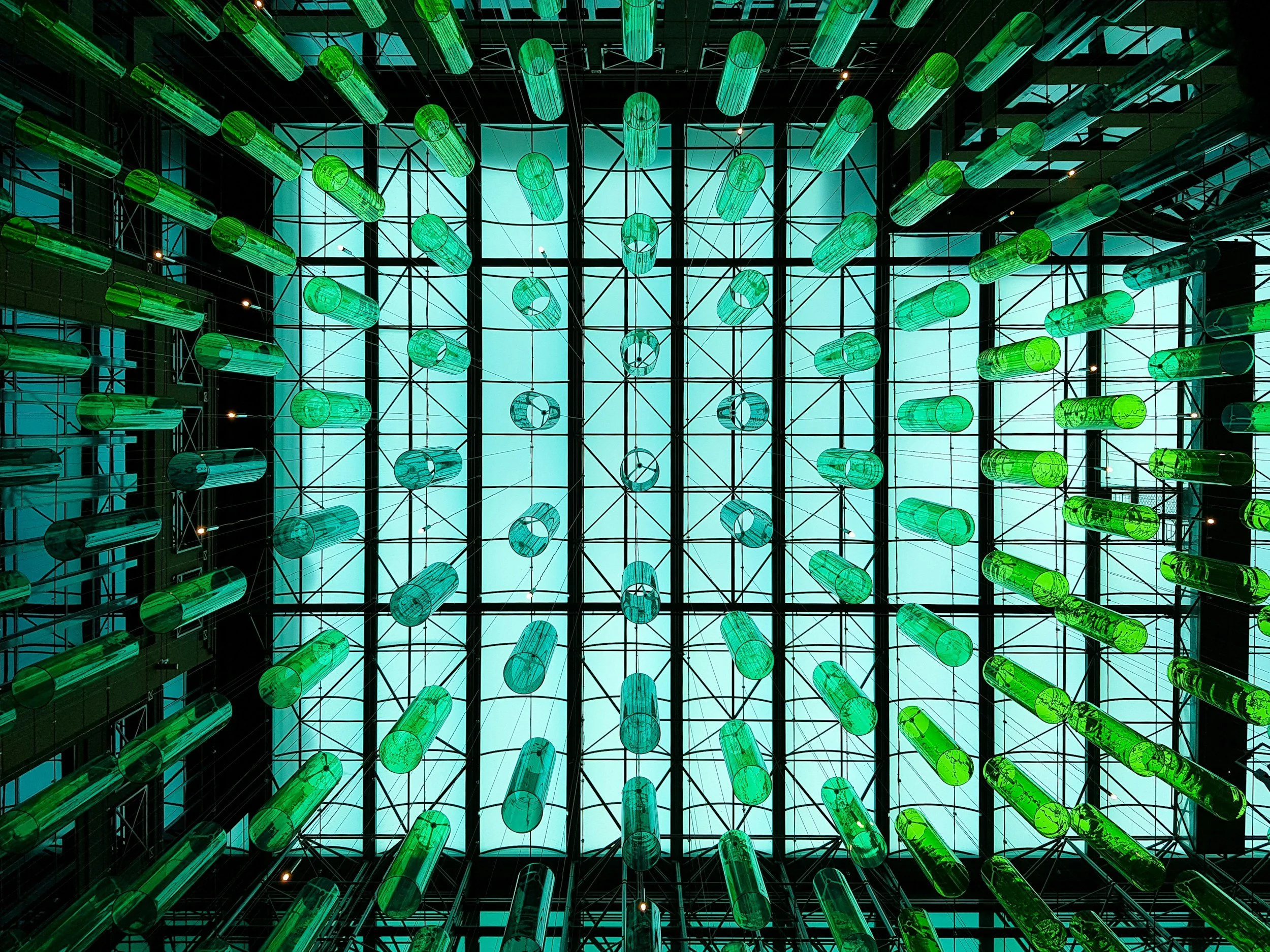

We spend around 90% of our lives inside buildings, yet we often design those environments around a remarkably narrow idea of what a human being is. We specify the same lighting, the same acoustics, the same spatial arrangements and the same sensory experiences, assuming that what works for one person will work for everyone. But human beings are not standardised — and our environments shouldn't be either.
This is where biophilic design and neuroinclusive design have an important conversation to have.
Biophilic design is often understood simply as bringing nature into buildings: plants, natural materials, daylight, views of greenery. But its deeper value lies in recognising that humans have an innate relationship with the natural world and that our surroundings influence how we think, feel, behave and perform. Nature can offer moments of restoration, connection and calm, but it can also provide stimulation, fascination, movement, texture and sensory richness.