Designers are always searching for ideas that endure — ideas rooted not only in aesthetics, but in how humans live, heal and belong within the natural world. That is why viewing Finding Harmony: A King's Vision matters now. The film brings together decades of thinking from King Charles III about our relationship with nature, communities and the built environment — themes that sit at the heart of biophilic design.
For architects, landscape architects and urban designers, the documentary offers more than a portrait of a monarch’s environmental advocacy. It is, in many ways, a historical record of ideas that anticipated today’s conversations around regenerative design, nature-based solutions and the social value of green space. In a moment when the profession is grappling with climate, wellbeing and how cities must evolve, the film provides context — and a reminder that these principles have deep roots.
Designers should watch it not simply as a documentary, but as a source of hope and inspiration. It shows that reconnecting people, place and nature is not an abstract theory but a lived practice — one that can shape farms, neighbourhoods, prisons, schools and entire communities. At a time when the future can feel uncertain, the film argues that harmony with nature is still possible, and that design has a crucial role in achieving it.
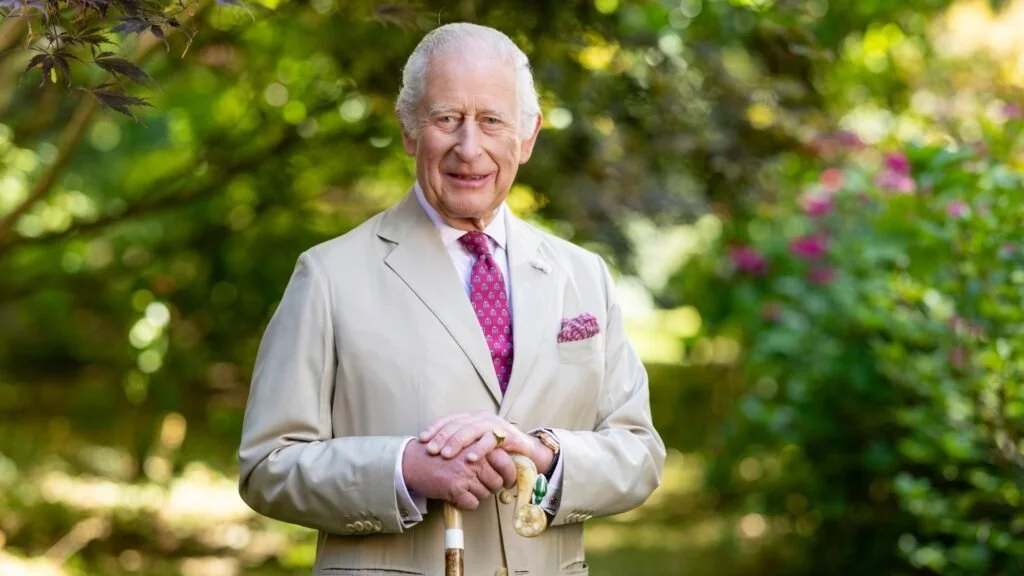
The Documentary:
At the centre of King Charles III’s lifelong environmental philosophy is a simple but radical premise: “All of us are gifted this incredible relationship with nature. There is a need to bring things back together again.”
It is a belief that has shaped projects, places and policies over decades, from gardens and farms to cities and international conservation efforts. At its heart lies a conviction that Harmony can transform our future we can put back hedgerows wetlands rebuild the communities in our cities and towns.
The King’s own estate, Highgrove House, became an early proving ground. High Grove was a testbed for his ideas about harmony how we can protect diversity of fruits and vegetables and how we can bring nature back into gardening and farming.
Those ideas grew partly out of concern about modern agriculture.
The so-called green revolution which produced more and more food also introduced industrial farming techniques where we grew more food than we needed. This green revolution resulted in monocultures we enlarged fields we introduced chemical fertilizers and caused everything to grow not just crops so then we added chemical herbicides and pesticides which killed everything except the crops themselves. And soil which that once thrived in a harmonious web of life was destroyed and has been collateral damage.
We need more nature based farming practices and take this to a scale so we embrace regenerative agriculture.
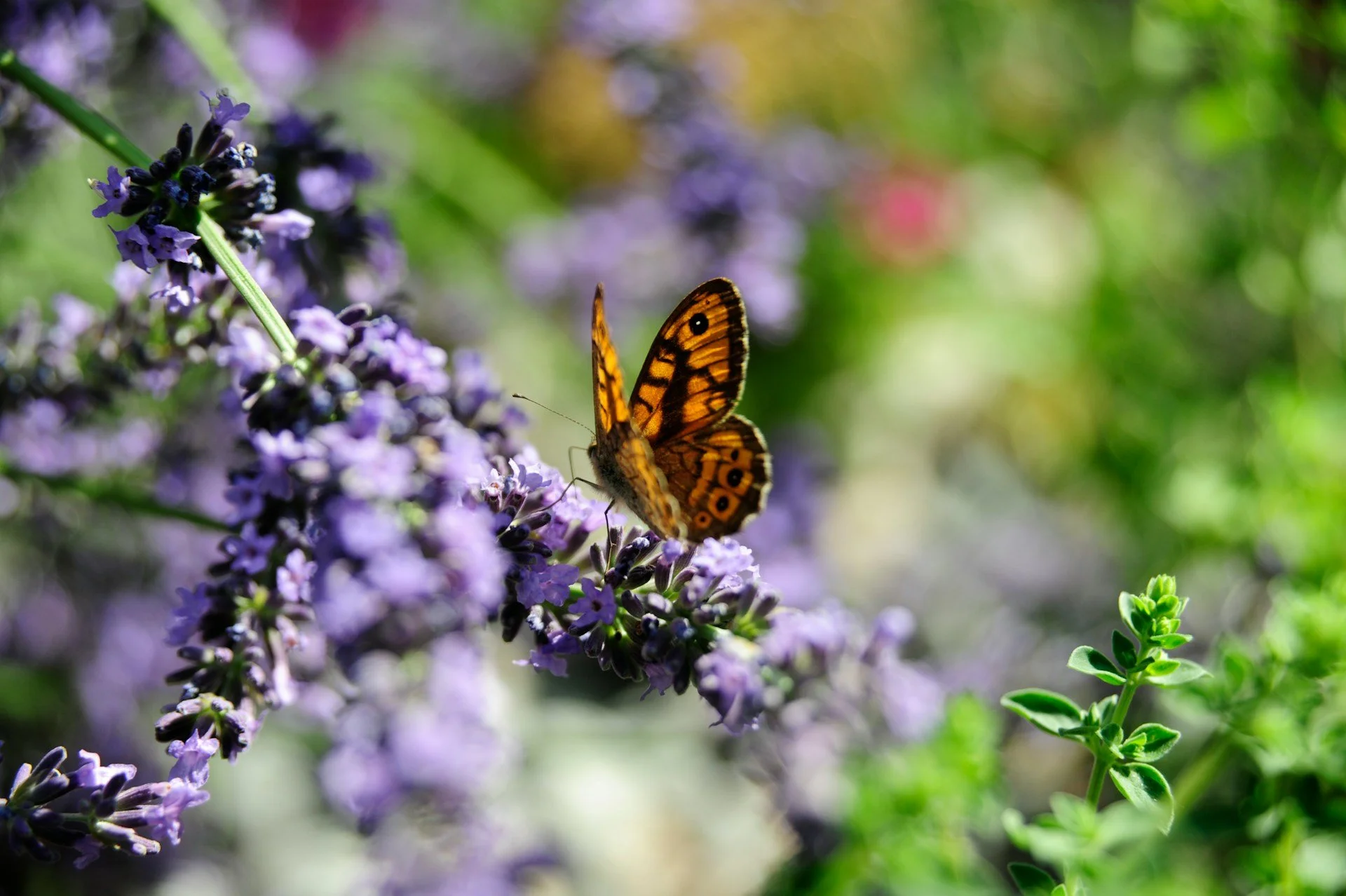
Scientific evidenc reinforces this perspective. Kathy Willis, Professor of Biodiversity at the University of Oxford, explains the biological effects of being outdoors:
“when we are in nature, nature passes into our bodies. For instance when we breathe the scent of flowers, the scent turns into a gas which becomes a VOC and the molecules pass into our blood along the same biochemical pathway as if it's a prescription drug.”
Nature has the power to heal and also to teach. Yet modern life has distanced many from that relationship. We are now consumers and we have forgotten how our planet’s life support systems work. Once you feel disconnected you don't feel like it's your responsibility.
Practical examples of regeneration are central to the King’s approach. In Scotland, the revival around Dumfries House offers one illustration. Regeneration can happen for instance look at Cumnoch in Scotland where King Charles then Prince Charles bought Dumfries House and created businesses and thousands of jobs in the green economy, trained local people to craft and also in hospitality and sustainability.
Even within prisons, nature has become a tool for rehabilitation. At HMP Bristol, a category B high security prison, where they have a beekeeping Academy. The bee keeping teaches offenders about relationships. How this encourages a rethink all kinds of relationships as ecosystems.
Continuing the education and inspiration theme, the King has helped establish The King's Foundation School of Traditional Arts, reflecting a broader belief that craft, culture and environment are intertwined.
Underlying all of this is a philosophical shift. King Charles said: “We all nature we are a part of nature not apart from nature.” But the order of nature is overshadowed by the order of mankind, and we have seen the Industrialisation of so many parts of our lives.
This perspective has extended to the design of cities. There is a better way of thinking about urban design that has a better chance of cohering communities rather than ignoring what a community needs. The post war tower blocks created social housing where people's aspirations and abilities to get on in life were restricted by the built form and so this created societal problems.
Evidence suggests access to nature changes outcomes. We know that communities surrounded by nature where teen changes can access green spaces there is less antisocial behaviour, which of course means less strain on the police service, the prison service and ultimately the economic challenges councils. Research reinforces this.
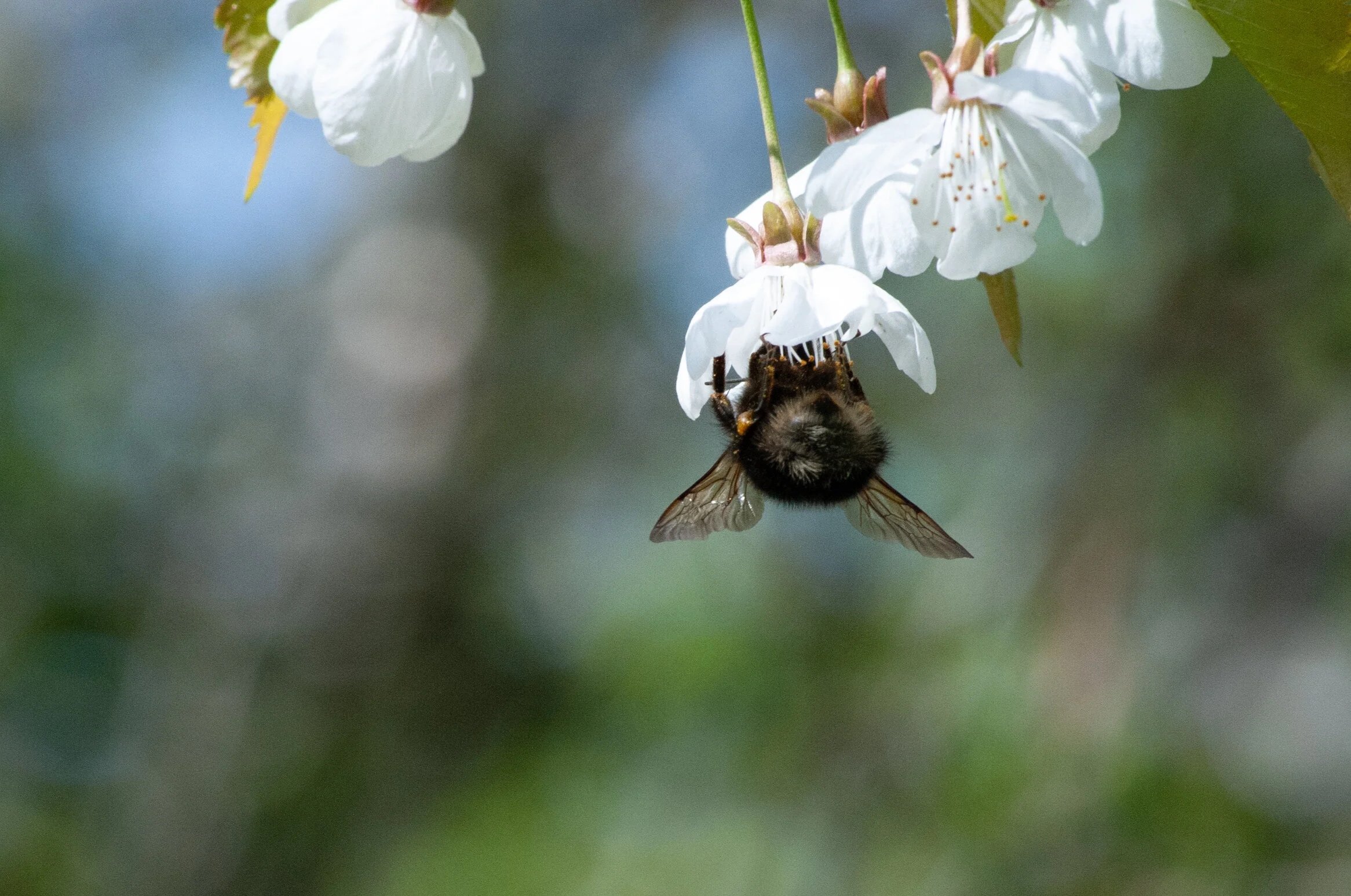
Photo credit Vanessa Champion www.virtualnaturewalls.com
Kathy Willis also mentioned that scientists over a 10 year period studied how close people lived to urban green space they found that for every 350 metres you were further from green space the worse off you were in terms of your mental health over those 10 years. “Green space and access to green space is critical.”
Beyond Britain, the philosophy of Harmony has travelled widely. For instance, there is a harmony project in the heart of Kabul in Afghanistan where the old city was crumbling and King Charles has encouraged a revival of skills that has also formed the revival of Afghanistan’s cultural heritage.” The project has had tangible social impact:
It is important to create liveable cities that have all the bits that make up community life right near you: living, working, worshiping, access to health care, and education all within one community. Interestingly, because of the contribution that that the Harmony project has brought to health care and Afghan heritage the charity in Kabul has been allowed to continue working which means that 10,000 women still have access to jobs and health care which is remarkable.
The environmental challenge, many believe, is also a moral one. As Al Gore put it:
“climate change and our actions to mitigate it is essentially a morally based struggle.” And just like other morally based struggles for instance the civil rights movement, the anti-slavery movement and the women's suffragette movement Al thinks that ultimately we will win.
Economic models are shifting too.
Maybe we have to put a price on the forest and then make them more valuable alive than dead. One example lies in Guyana, where King Charles had been in the middle of a brokerage where Norway invested millions of dollars in rainforest conservation to improve social well-being in Guyana to help them not cut down their rain forest.
There are other harmony projects springing up in other places for instance in Jaipur in India where heritage wells are being resurrected in order to rewater the desert. They have encouraged farmers to bring their cows to the area where the footfall of the cattle breaks up the soil and their dung acts as fertilizer which is nourishing the soil itself. The people have planted thousands of trees where the tree roots now pierce the earth's crust and allow water into the soil during the rainy season.
Yet perhaps the most powerful idea is also the simplest.
Reconnecting to nature isn't that hard to do it can begin with a simple step outside. It's only recently that we have lost that connection it's deeply embedded in our DNA. It is a felt knowledge of how to be.

Photo Vanessa Champion, www.virtualnaturewalls.com
It reflects a worldview grounded in observation. Looking and observing, King Charles has a sensitive appreciation for planet and humanity. If our planet’s life support system begins to fail and our very survival as a species is brought into question what will our generation do?
For some observers, the King’s role in championing these ideas has been distinctive. As Dame Amelia Fawcett said, “Charles is the still point in the turning world when it comes to nature.”
Hope remains.
“It is possible in terms of the future to arrive at some sort of harmony or balance between us all and nature.”
If that balance can be found, the King’s long-held conviction suggests it may begin not with grand gestures, but with rediscovering what was always there.
Dr Vanessa Champion,Founder, Editor, Journal of Biophilic Design
Central figure
King Charles III – main voice and interviews reflecting on his environmental philosophy.
Narrator
Kate Winslet – narrator of the film and ambassador for The King’s Foundation.
Appearing or interviewed in the film:
Tony Juniper – Ecologist and Author
Emily Shuckburgh – Professor of Environmental Data Science, Universtiy of Cambridge.
Professor Kathy Willis – Professor of Biodiversity, University of Oxford
Patrick Holden – Founder, Sustainable Food Trust
Dame Amelia Fawcett – Chair Circular Bioeconomy Alliance
Ian Skelly – Broadcaster and author
Al Gore - Former Vice President of the USA.
Dominic Richards - Sustainable Placemaker
Kristina Murrin- CEO of The Kings Foundation
A film by Passion Planet
Finding Harmony: A King’s Vision is available to stream globally on Prime Video.