wellness

Best in Workplace Design Recognised in 2026 Workspace Design Awards Shortlist

Best in Workplace Design Recognised in 2026 Workspace Design Awards Shortlist

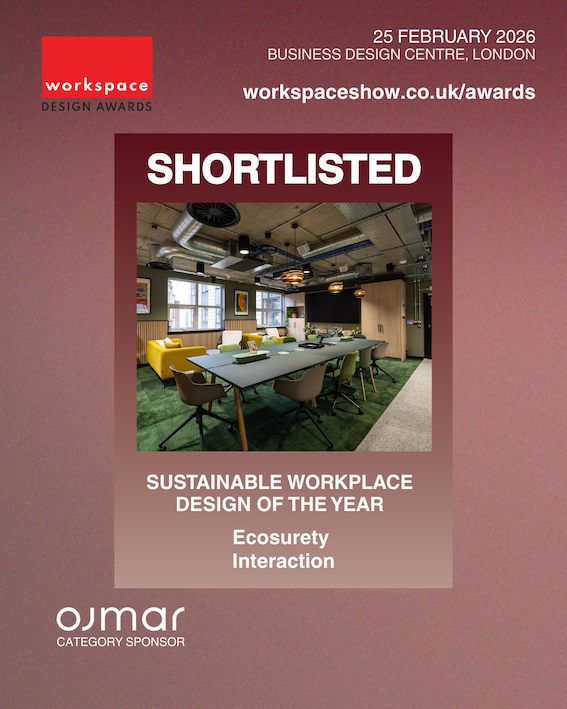
The 2026 edition of Workspace Design Show has officially revealed the shortlisted projects for its newly launched Workspace Design Awards, recognising outstanding achievements across workplace design, innovation, sustainability, experience and adaptability.The shortlisted projects showcase the breadth and depth of talent shaping today’s workplaces across the UK and Europe,from smart offices and large-scale corporate headquarters to flexible co-working environments and future-focused concept designs.Winners from all categories will be announced liveat the Workspace Design Awards Ceremony & Networking Party, taking place on Wednesday 25 February 2026 from 5:30pm to 7:30pm. The evening will bring together designers, architects, occupiers, and industry leaders to celebrate the most creative projects in workplace design. The networking party is also proudly sponsored by Mute, who is the main Headline Sponsor of the awards.

Biophilia can battle Blue Monday!

Biophilia can battle Blue Monday!

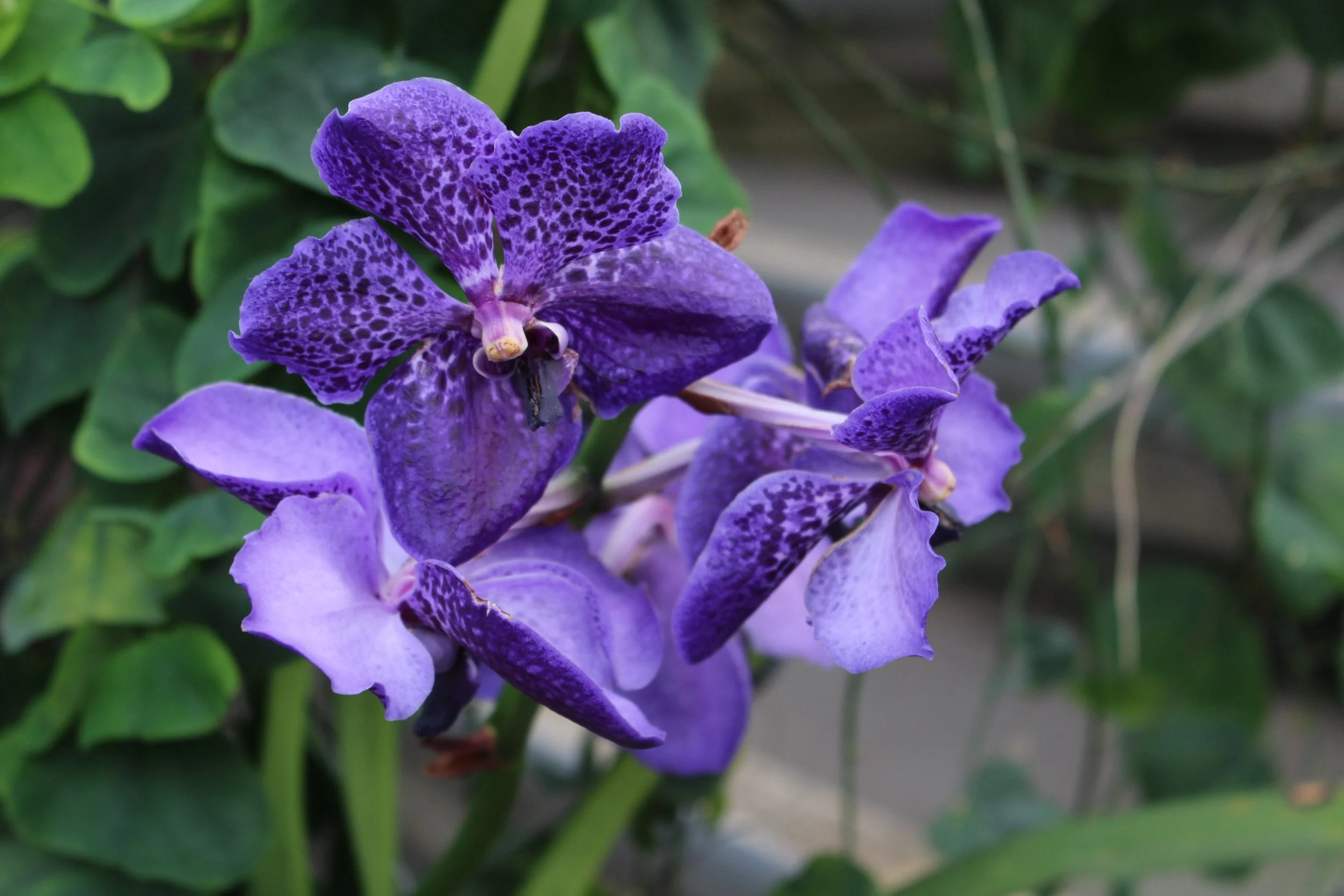
As the third Monday in January earns its reputation as the year’s most challenging day, Biophilic Design offers a much needed antidote. Rooted in our innate connection to nature, biophilic principles remind us that even small encounters with living systems—particularly plants—can positively influence mood, reduce stress and restore emotional balance. By introducing calming blue-green foliage and flowering plants into our homes and workplaces, we can soften the impact of “Blue Monday,” using colour, texture and life itself to create spaces that nurture wellbeing. In this spirit, renowned interior landscape designer, houseplant stylist and author of At Home With Plants, Ian Drummond shares his favourite “blue plants” to lift the spirits and bring a smile when it’s needed most.

Chief People Priorities for 2026 - A Biophilic Response.

Chief People Priorities for 2026 - A Biophilic Response.

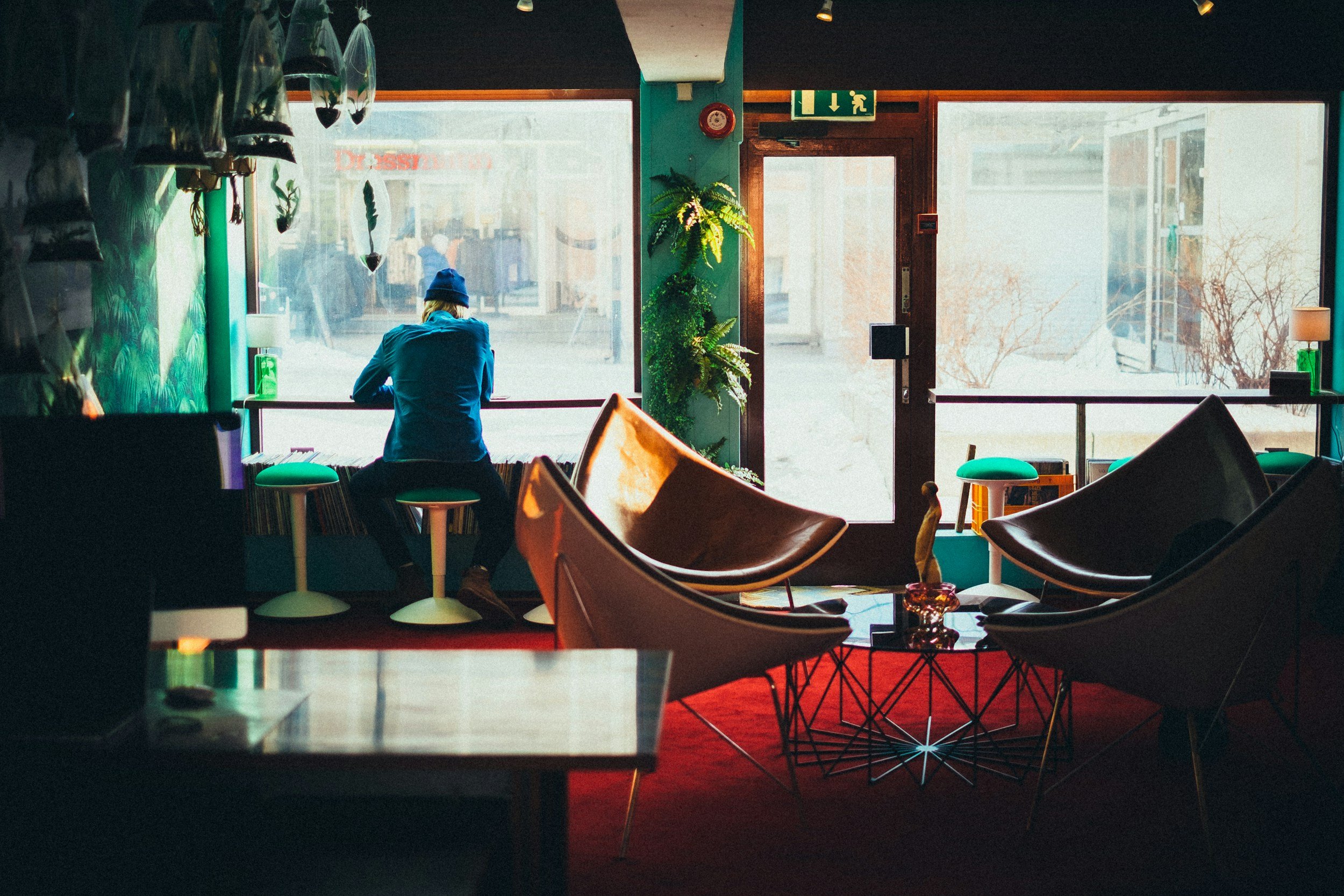
At its core, Biophilic Design is not about plants or aesthetics. It is about designing the conditions in which humans function best, drawing on our innate biological responses to light, nature, materiality, rhythm, refuge, connection and sensory balance. In other words, it provides a tangible way to turn cultural intent into lived experience.

Culture as an operating system is expressed not only through policies and leadership behaviours, but through the environments people inhabit every day. Spatial hierarchy, access to daylight, acoustic control, choice and autonomy, visibility, and opportunities for connection all send powerful signals about what is valued. A workplace that offers psychological safety, dignity, and agency does not rely solely on behavioural KPIs to reinforce culture — it embeds it into the system itself.

Similarly, as leaders become the primary interface of culture, the environments they operate within either support or undermine their ability to lead well. Biophilic workplaces reduce cognitive load, stress and fatigue, enabling better judgement, emotional regulation and decision-making. This matters when leaders are being asked to hold complexity, have difficult conversations and support mental health alongside performance. Capability does not exist in isolation from context.

CPOs’ deliberate reframing of wellbeing as performance infrastructure also aligns strongly with biophilic principles. Decades of research link exposure to natural light, views of nature, sensory variability and restorative spaces with improved concentration, faster recovery from stress, reduced absenteeism and stronger engagement. This is not a trade-off between care and results; it is a performance strategy grounded in human biology. READ on

Light that Nourishes

Light that Nourishes

To coincide with the publication of Issue 15 of The Light issue of the Journal of Biophilic Design, light aficionado Xander Cadisch writes.

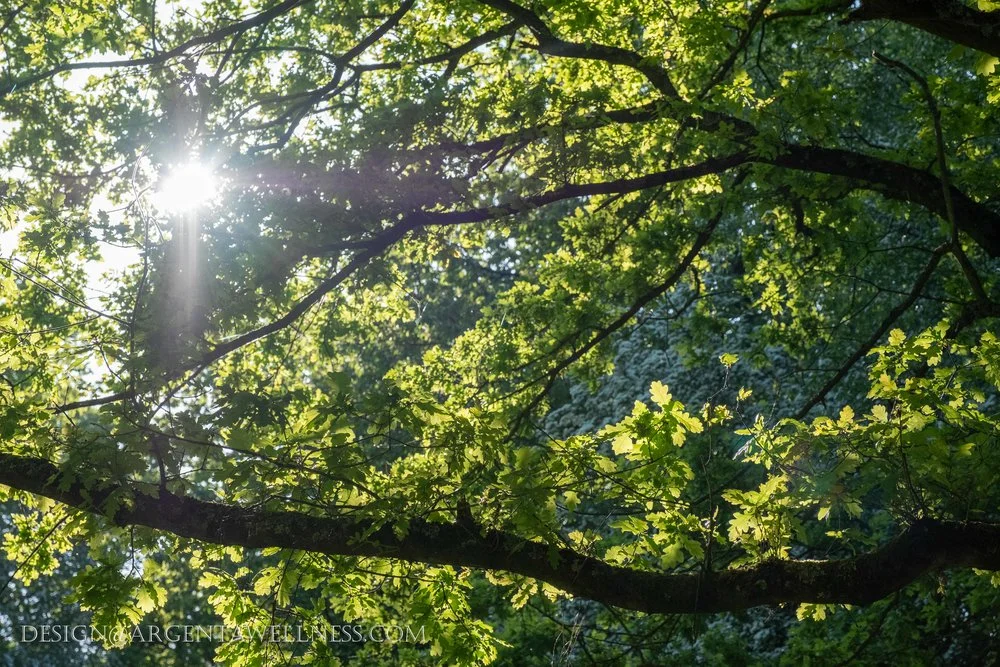
We live bathed in an ocean of light, yet rarely consider how its invisible waves shape our very biology. Modern research reveals what ancient healers intuited—that light isn't just something we see, but a vital nutrient that regulates our cells, hormones, and nervous system. The implications for how we design our spaces are profound.

At the heart of this revelation lies a simple truth: different colours of light act as distinct biological signals. Take red light, for instance. With wavelengths between 630-700 nanometres, it penetrates deep into our tissues, stimulating mitochondria—those tiny power plants within our cells. This isn't speculative science, it's therapy approved by regulatory bodies like the FDA, now used to accelerate wound healing and ease arthritis pain. Hospitals are beginning to harness this knowledge, installing red light panels in recovery rooms where patients benefit from its regenerative properties.

Read on….

Surface Design Show 4- 6 February 2025, London

Surface Design Show  4- 6 February 2025, London

EMBRACE THE WORLD OF MATERIAL INNOVATION

Join thousands of professionals from across the A&D sector, and be inspired by 180 exhibiting companies, dedicated to furthering material innovation.

4-6 February 2025 at the Business Design Centre, Islington, London.

Pioneering Research study aims to prove The Value of Biophilic Design in the workplace.

Pioneering Research study aims to prove The Value of Biophilic Design in the workplace.

Biophilic Design - the use of plants in providing cleaner air and connecting us with nature, coupled with natural light, certain colours, acoustics, and fragrances - has long been proven to have a positive effect on both mental and physical well-being. For over 25 years, expert horticulturalists Benholm Group have pioneered the use of plants for interiors, not only as an eye-catching focal point, but also to promote the natural health benefits that being surrounded by plants can bring.

This concept has now been brought to the forefront of a new research study led by Sustainability Lead at House of Commons + PhD Researcher, Joyce Chan-Schoof to question if we can apply a social and economic value to biophilic design.

Can biophilic design add value to the workplace - not only through improving air quality and aesthetics, but can it have a tangible impact on employee productivity, retention, absenteeism, satisfaction, engagements and up-skilling?

Even mainstream media is saying how nature is good for you

Even mainstream media is saying how nature is good for you

How many times have I written, “it’s not rocket science…nature is good for you?” Well for the umpteenth time, I’m saying it again, and so is NBC. A recent NBC article discusses why natural scenery improves your mood and makes you more productive. They quote the results of an article published in the Journal of Environmental Psychology which outlines the benefits of having just 40 second green views can have on sustaining attention, less errors and more consistency. This is because it boosts sub-cortical arousal and cortical attention control.