investestment

Blue Earth - What will you do? Join us.

Blue Earth - What will you do? Join us.

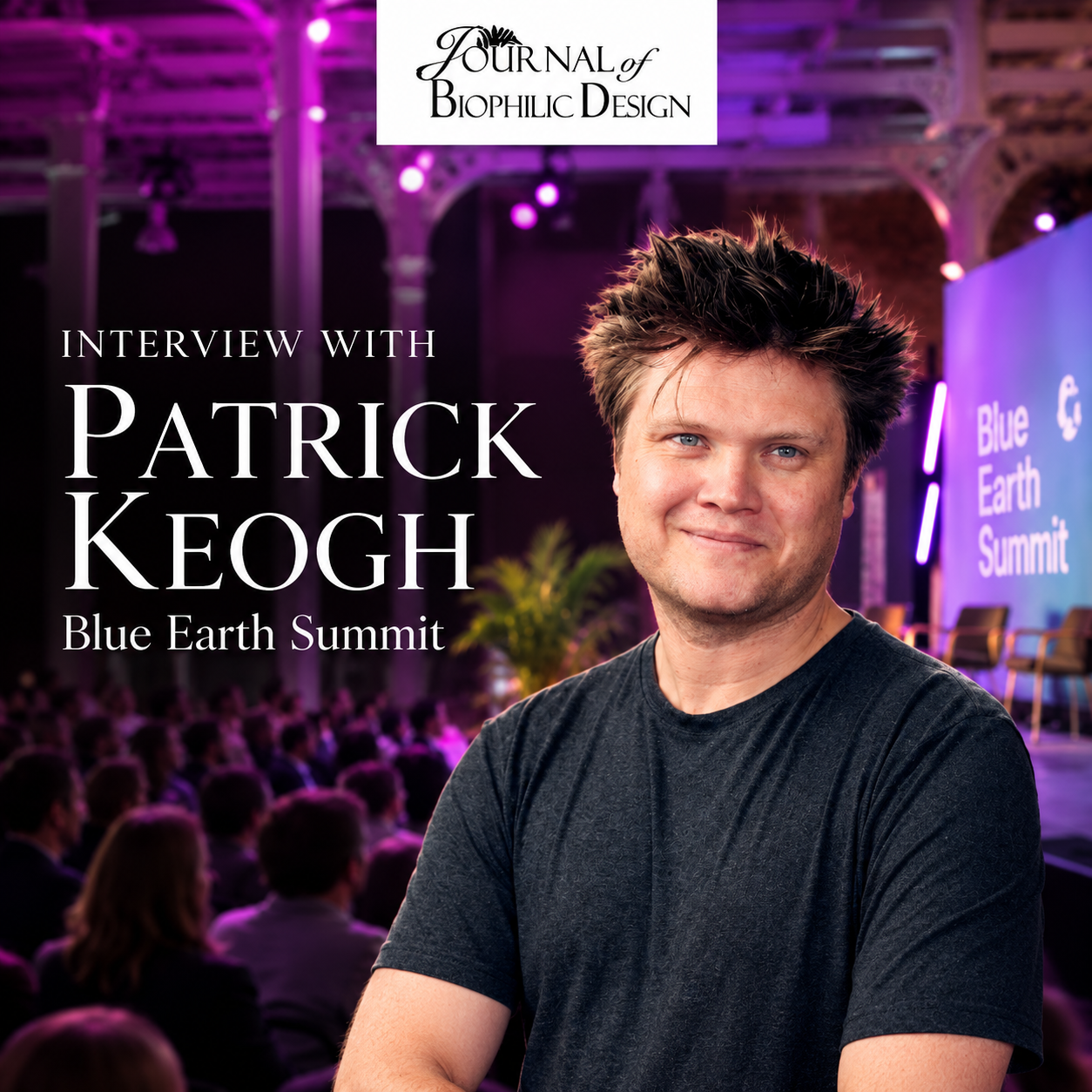
In conversation with the Journal of Biophilic Design Podcast, Patrick Keogh explores why the future depends on bringing different worlds together, learning from nature and having the courage to act.


What kind of future do we want to live in? The way we design our buildings, organise our businesses, invest our money and relate to the natural world lies at the heart of this year's Blue Earth Summit, taking place at Woolwich Works in London from 14–16 October 2026. Bringing together people from business, science, investment, culture, sport and the environmental world, the Summit aims to move beyond familiar conversations about sustainability and explore how we can create a more regenerative future.


In the latest episode of the Journal of Biophilic Design Podcast, I spoke to Patrick Keogh, who leads the Blue Earth Summit programme, about the importance of interdisciplinary thinking, the lessons we can learn from nature, and why we need to turn our knowledge of environmental challenges into meaningful action.

Explore the Blue Earth Summit programme and book your ticket.
How to Fast-track a Regenerative Future

How to Fast-track a Regenerative Future

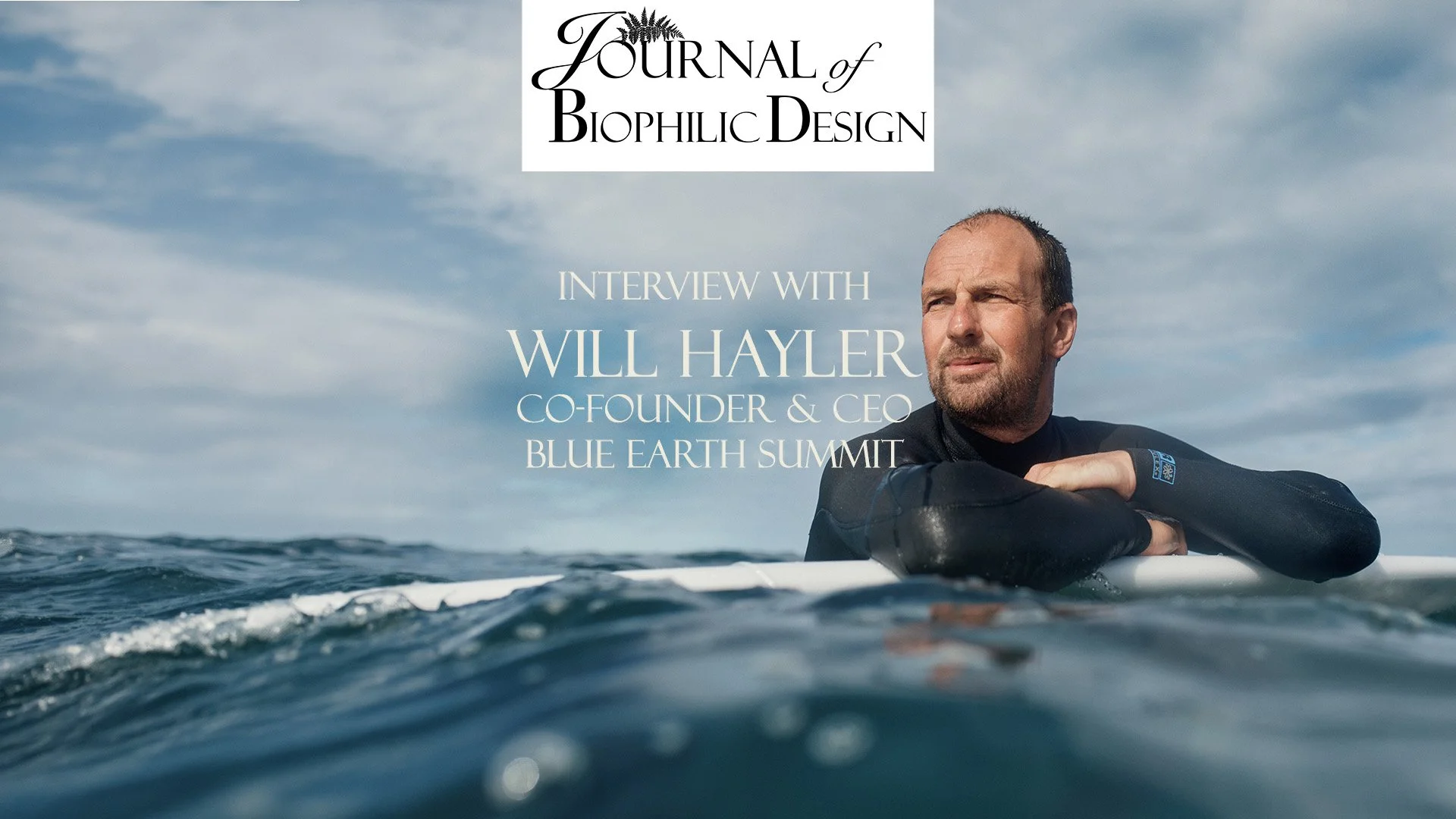
Efforts to tackle the climate and nature crisis often focus on policy, science and activism. But according to Will Hayler, founder and CEO of The Blue Earth Summit, real transformation will only happen when entrepreneurs and investors are fully part of the conversation.


Speaking about the philosophy behind the Blue Earth Summit, Will argues that innovation and enterprise are essential if environmental solutions are to move beyond ideas and into the real economy. “If you're really serious about solving problems, you need entrepreneurs in the room,” he says.

Rebalance Earth - Enabling a world worth living in. Creating a Nature Positive Economy

Rebalance Earth - Enabling a world worth living in. Creating a Nature Positive Economy

Robert Gardner is CEO and Co-Founder of Rebalance Earth. With over 20 years of experience in the financial industry, he has a unique expertise in sustainability, pensions, and wealth management and believes that money can be a force for good.

Rebalance Earth, is a fund manager that redirects the flow of private capital to protect and restore Nature.  Their mission is to drive the transition to a nature-based economy by enabling the flow of private capital to protect and restore nature. Rebalance Earth achieves this by creating opportunities for investors to achieve sustainable financial returns from projects to restore Nature.

Robert is passionate about the idea of “natural capital”.  He believes that investment in the environment shouldn’t simply be about climate change but should take a broader approach.  He sees a future in which biophilia is prominent and discussion of environment-conscious investment should include reduced biodiversity loss, rewilding, and all aspects of being in tune with nature.

Robert sees nature as the most valuable asset class on the planet. It provides everything from clean air to carbon capture and biodiversity; not forgetting that a balanced ecosystem is essential to create pollination and soil fertility for our food.

The investment community currently operates an extractive financial model that has been using all of nature's resources for free, not valuing them and, worse than that, destroying them.  Rebalance Earth is taking steps to build and propagate a more sustainable, biophilic approach.

In this podcast, Robert talks about how… READ ON and LISTEN to the PODCAST