construction

Better Design must come FIRST.

Better Design must come FIRST.

The transition to a circular built environment requires more than better recycling. It means rethinking how we value existing buildings, use materials and design for the future.

What if the most sustainable building material is the one we already have? And what if the greatest opportunity for creating more resilient buildings and cities lies not in what we construct next, but in what we choose to retain?

These questions were at the heart of the Association for Sustainable Building Products’ (ASBP) Building Resilience Through Reuse event, held at the British Library in London on 4th November 2026. Bringing together voices from policy, planning and the built environment, the event explored how we move away from a linear model of construction – extract, manufacture, build, demolish and dispose – towards an economy that values resources for as long as possible.

The 2026 State of the Climate Report 14 October 2026-  Biophilic Design has to become part of the Climate Action Agenda

The 2026 State of the Climate Report 14 October 2026-  Biophilic Design has to become part of the Climate Action Agenda

The State of Climate Report came out 14 October. For architects, developers, planners, engineers and designers, this means considering not just the emissions associated with constructing and operating a building, but also how that building performs during extreme heat, flooding, drought, power disruption and changing patterns of occupancy. It means planning for resilience without losing sight of the urgent need to reduce emissions. 

“It also means recognising that a building does not exist in isolation. Its resilience depends on the surrounding landscape, drainage systems, energy infrastructure, transport networks, food supply and the health of the ecosystems on which the community depends. A climate-resilient building in a climate-vulnerable neighbourhood is not, on its own, a resilient settlement. The scale of our thinking must expand from individual buildings to streets, neighbourhoods, cities, regions and the wider living systems that sustain them.”

Resilience, Reuse and Regenerative design - FUTUREBUILD

Resilience, Reuse and Regenerative design - FUTUREBUILD

We are also convening a Biophilic Design Masterclass on Placemaking with two of the best brains in Biophilic Design, Oliver Heath and Bill Browning. Plus a panel discussion on Biophilic Design and Resilience with Kirsty Wilman of Rebalance Earth, Luke Engleback of EcoUrbanist and Joanna Yarrow of Human Nature.

Futurebuild 2026

Futurebuild 2026

The Journal of Biophilic Design is proud to be one of 60+ industry-leading organisations, including UK Green Building Council (UKGBC), RIBA, ASBP - Alliance for Sustainable Building Products, and UK Architects Declare, supporting Futurebuild 2026. These influential bodies and associations play an integral role in the Futurebuild Knowledge Programme, delivering 133 hours of CPD-accredited content over 3 days across two conferences and multiple seminar stages.

Futurebuild is the platform where content is curated by the industry for the industry. Immerse yourself in three days of ideas, inspiration, topical discussions and debates on:

Improving design & safety
Tackling rising costs
Meeting ambitious sustainability goals

Find out more and register free CLICK HERE

Futurebuild 4 -6 March 2025 London ExCeL

Futurebuild 4 -6 March 2025 London ExCeL

Join Futurebuild from 04 – 06 March 2025 at London’s ExCeL, the most impactful event in sustainable innovation for the built environment. Discover the latest products, solutions, and insights that will help you achieve your sustainability goals and drive meaningful change.

As Futurebuild celebrates its 20th anniversary, the theme for 2025 is Impact—marking two decades of driving positive change in the built environment and the communities we serve. Be part of this milestone event and contribute to shaping a more sustainable future. Register nowfor your free ticket.

How the Construction Industry Can Help Make Biophilic Design More Popularized

How the Construction Industry Can Help Make Biophilic Design More Popularized

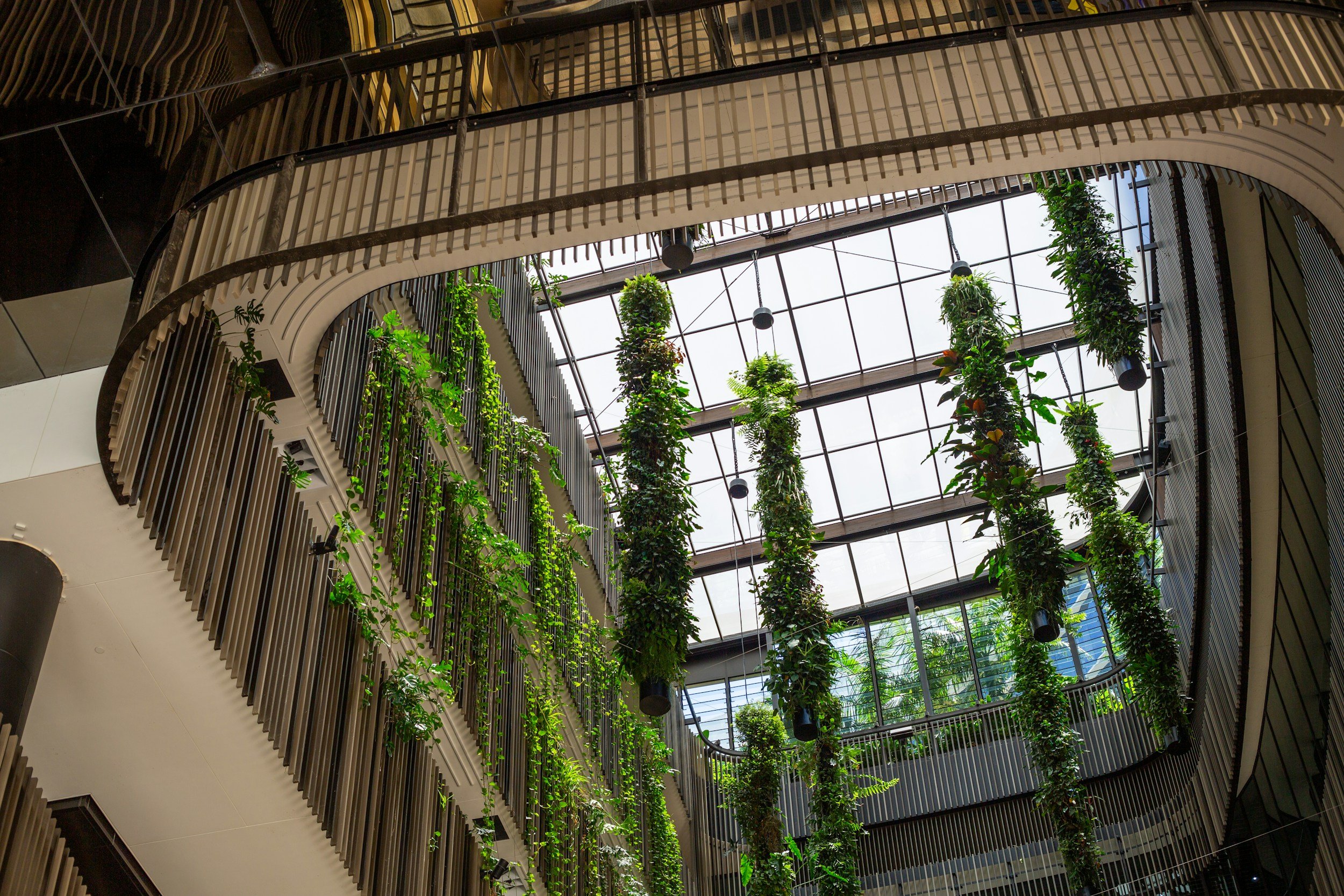
A greater global emphasis on sustainability has caused biophilic design to gain mainstream attention, but the construction industry also has a part to play. Here’s how construction professionals can help take biophilic design’s popularity to the next level.

High-Profile Biophilic Projects

The simplest way the construction industry can popularize biophilic design is by exposing it to more people. Most of the population lives in big cities, so these locations are the most practical places to start. Greenifying our urban centres will improve the quality of life and give city dwellers a much-needed dose of nature.