Biophilic Design and biomimicry are often discussed as separate disciplines, yet they are deeply complementary. Biophilic Design reconnects people with nature, creating healthier places that nurture wellbeing and strengthen our relationship with the living world. Biomimicry asks a different, but equally important question: how can nature’s 3.8 billion years of evolution teach us to solve human challenges?
Together they offer a blueprint for creating buildings, products and systems that help all life flourish.
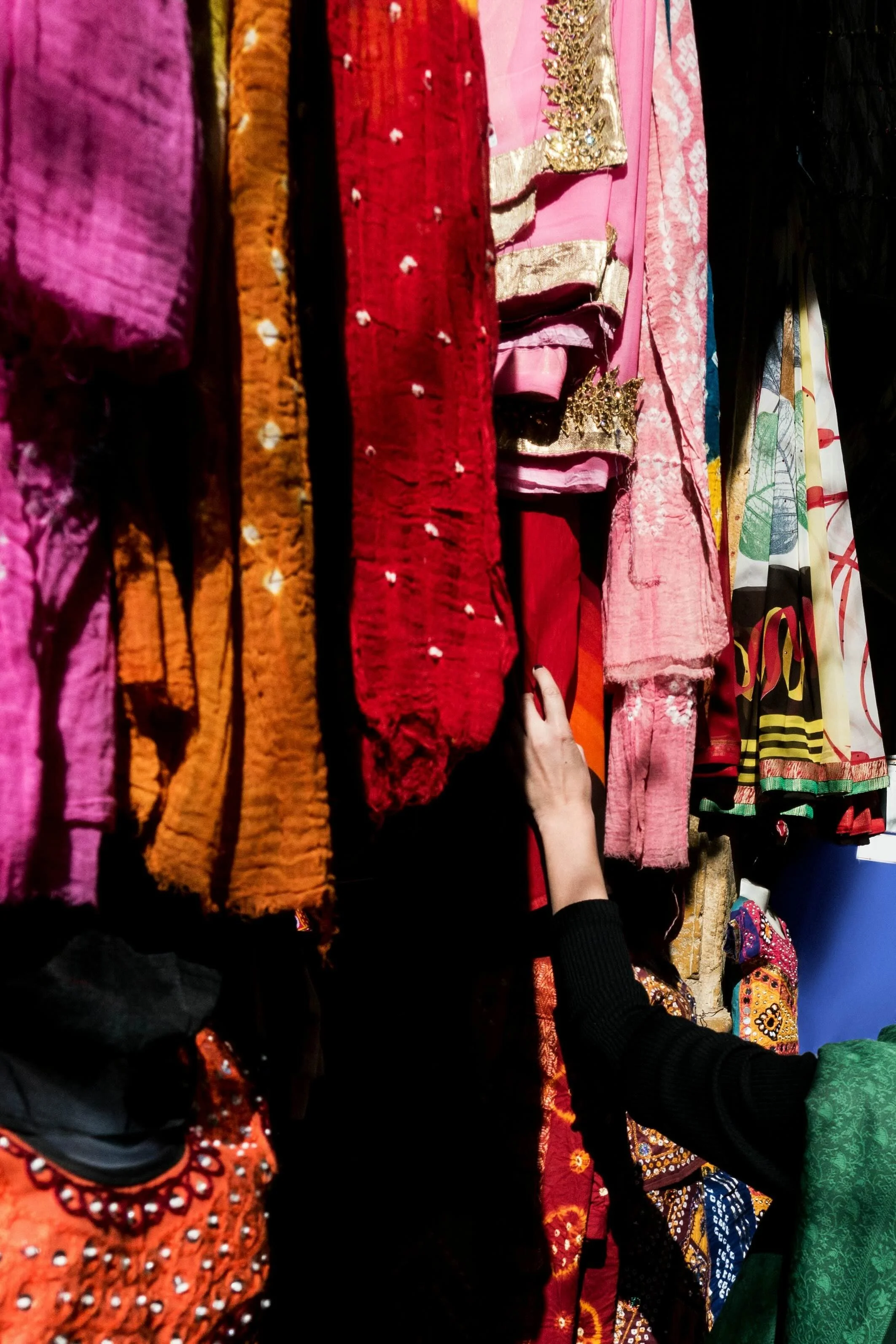
While architecture often looks inward for innovation, one of the most fascinating lessons for the built environment is currently emerging from an unexpected place: fashion.
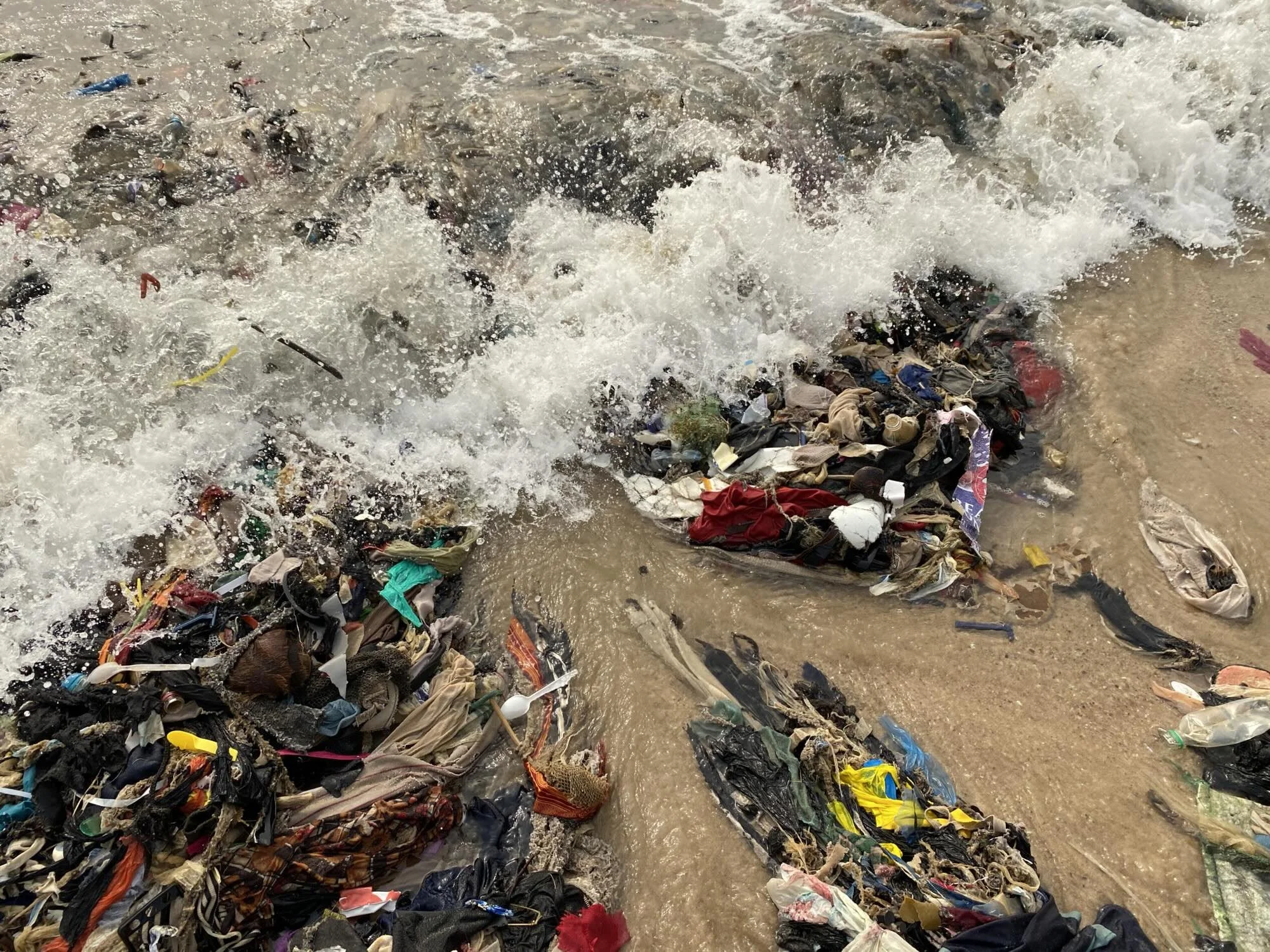
Amanda Sturgeon, CEO of the Biomimicry Institute, has been leading the Institute’s Nature of Fashion initiative, exploring how lessons from natural decomposition could help address one of the world’s fastest-growing environmental challenges—textile waste. Working alongside partners including The Or Foundation in Ghana, Circle Economy in the Netherlands and the Beneficial Design Institute in Germany, the project asks a deceptively simple question: what if the materials we create behaved more like nature?
Nature, after all, has no landfill.
Every leaf, feather, branch and shell eventually becomes food for something else. Waste is simply another stage in a continuous cycle of regeneration. Human-made materials, however, often have no such ending. Polyester, nylon and complex blended fabrics can persist for decades or centuries, creating pollution long after their useful life has ended.
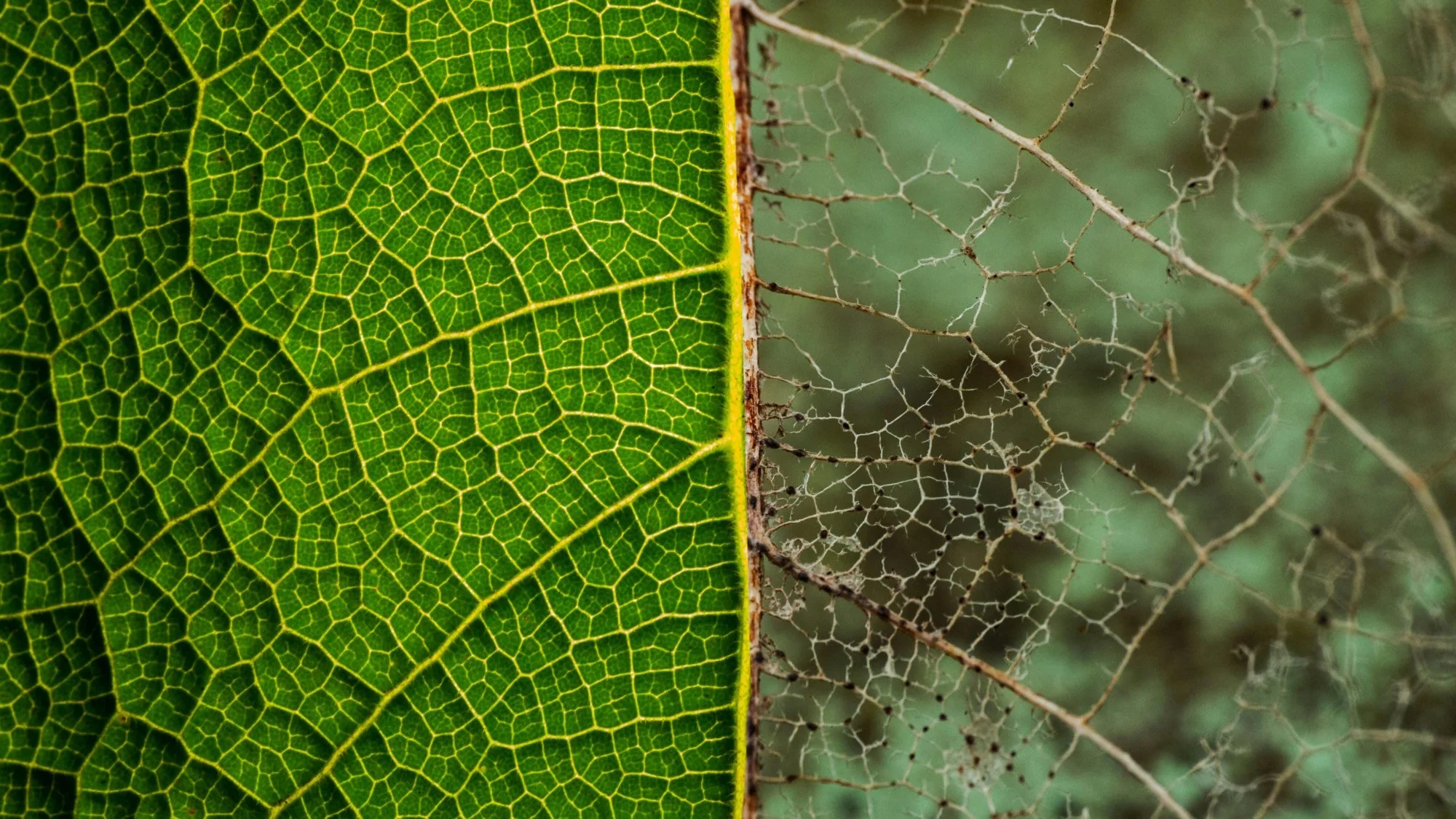
The Nature of Fashion project is investigating whether biological processes such as fermentation and enzymatic decomposition could safely break down difficult textile waste into valuable raw materials that can be returned to production systems rather than discarded. It is a striking example of biomimicry in action—not simply copying nature’s appearance, but learning from nature’s processes.
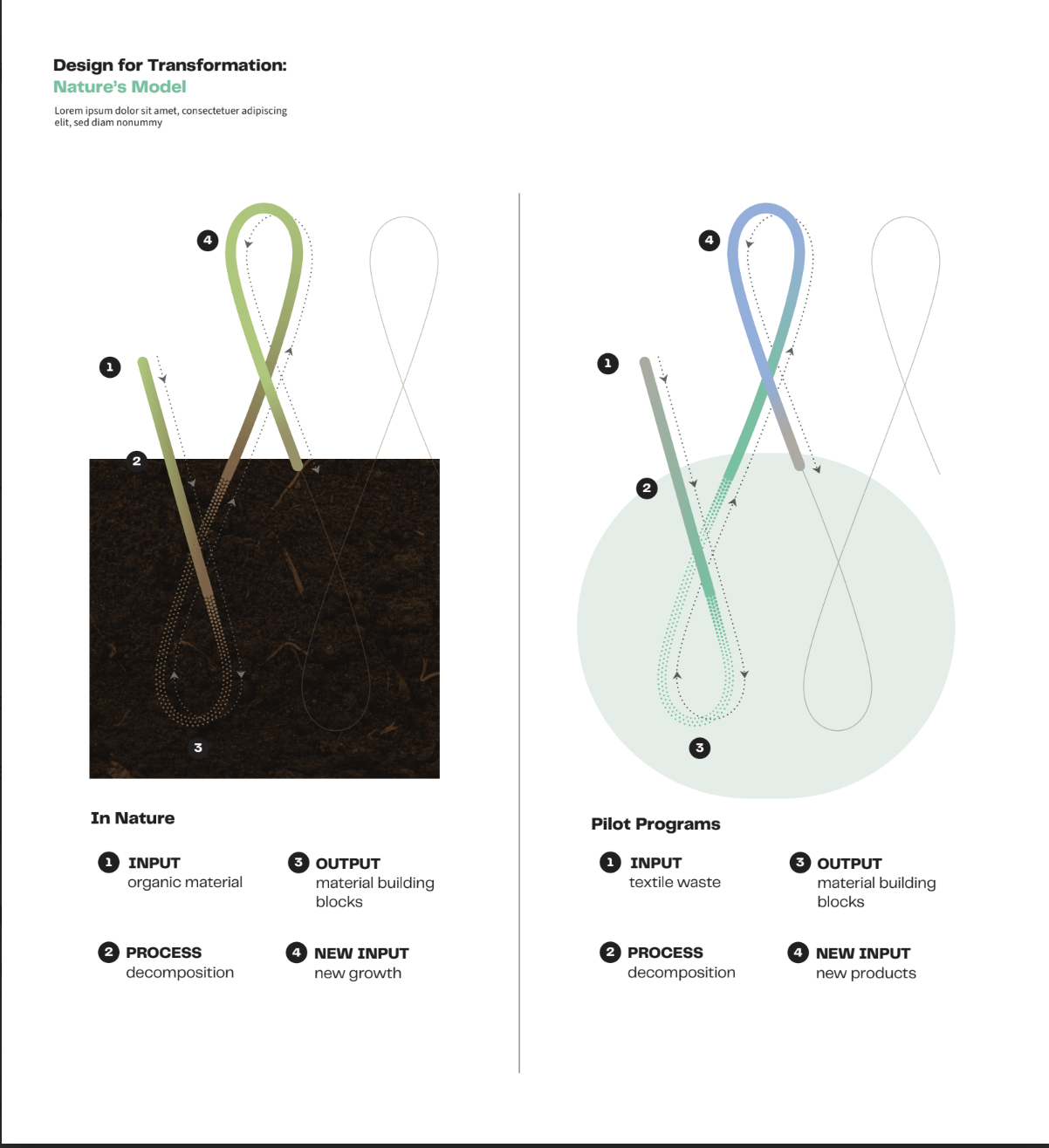
As Amanda explains, “Nature has been learning how to do things for 3.8 billion years.”
For those of us working in architecture, interiors and product design, this conversation feels remarkably familiar. The built environment has become increasingly focused on operational carbon, embodied carbon and material passports. Yet Amanda highlights another important consideration: designing for the entire lifecycle of a product or building from the very beginning.
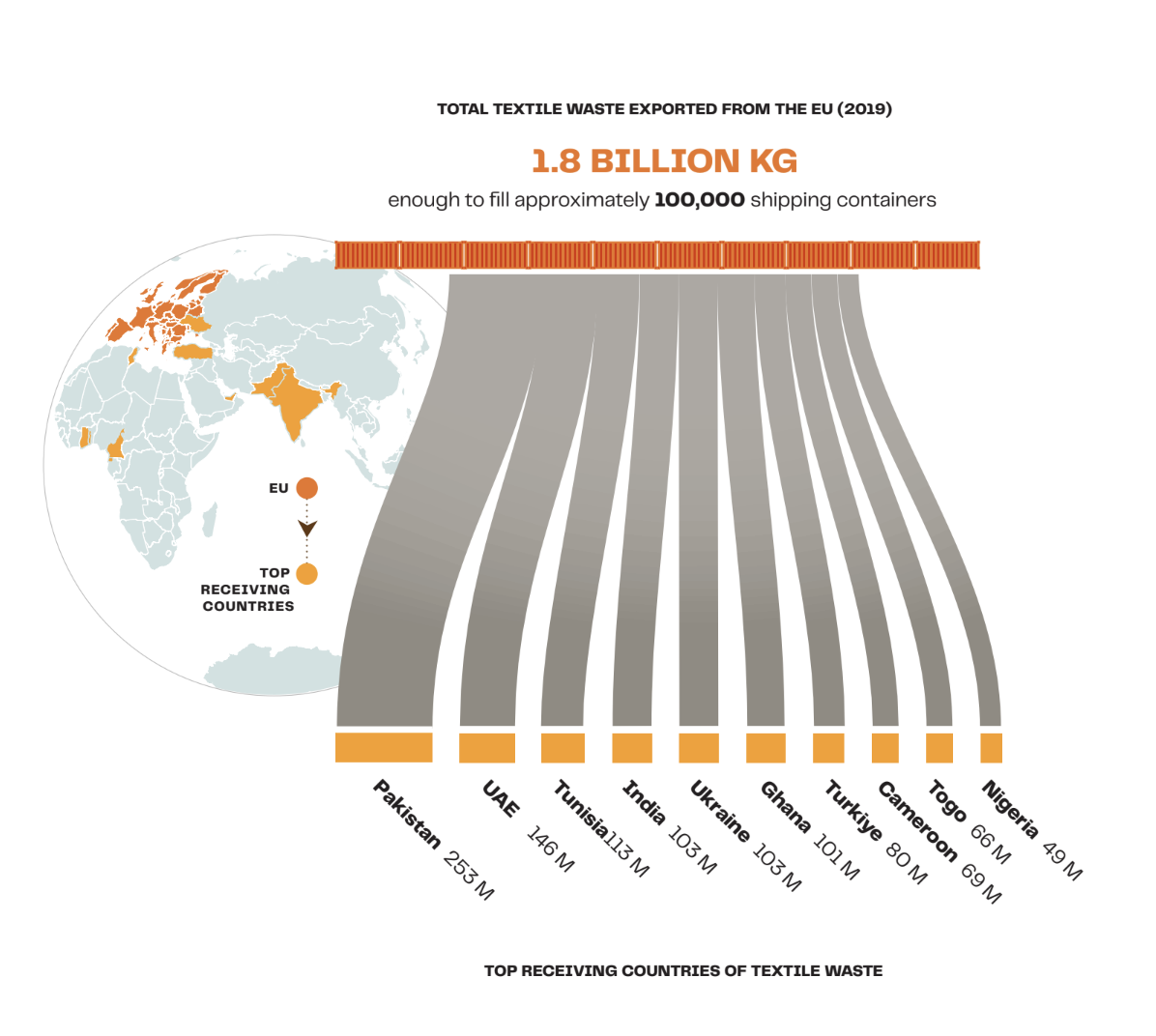
As she observes, “The implications of the things we consume and create—from their extraction to their end of life—are just not considered.”
It is a challenge that extends far beyond fashion.
Whether specifying flooring, acoustic panels, furniture, wall coverings or façade systems, designers make decisions every day that influence ecosystems far beyond the project boundary. Where did the material come from? What habitats were disturbed during extraction? Can it be repaired? Reused? Returned safely to biological or technical cycles?
These questions are becoming just as important as aesthetics or cost.
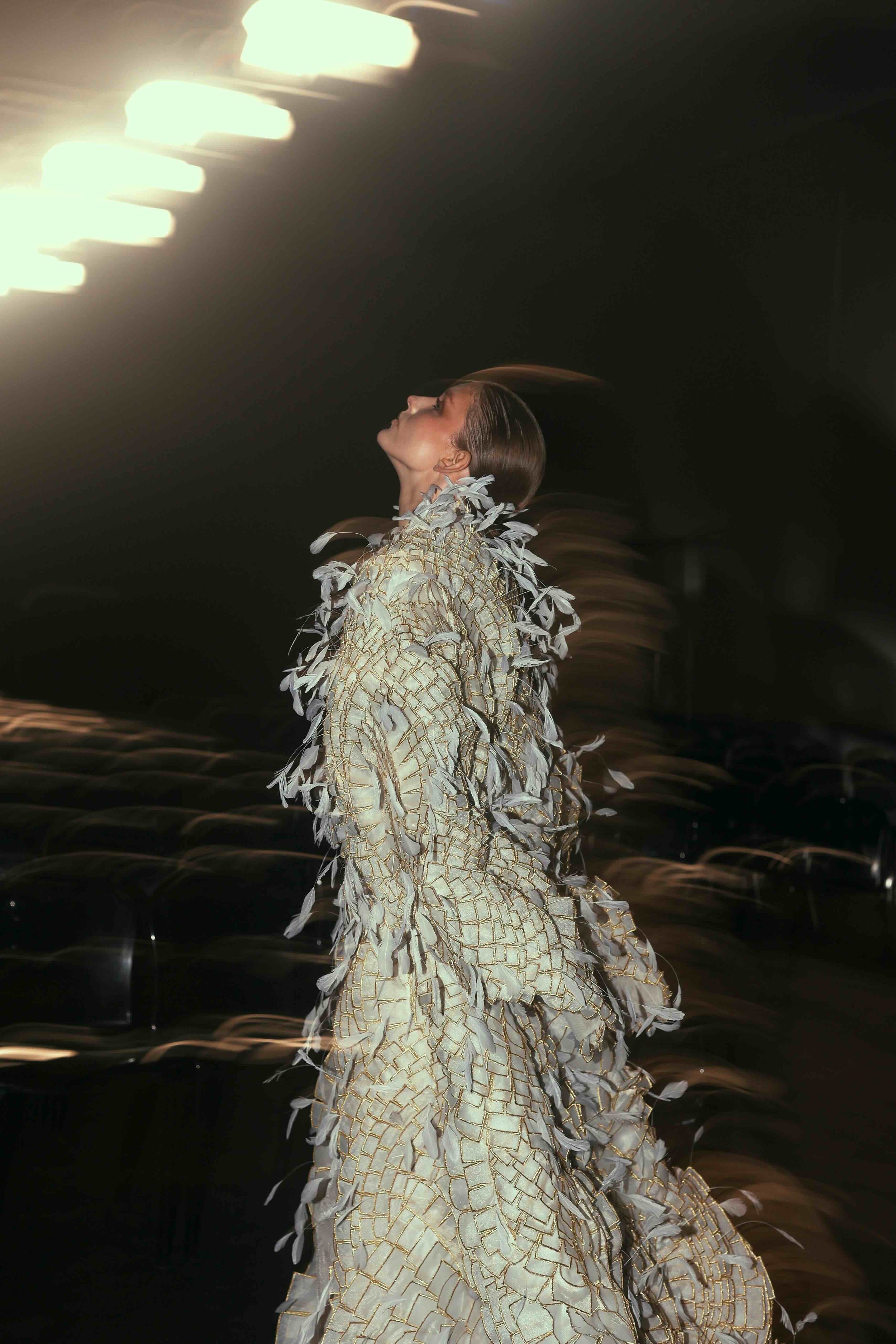
Amanda also draws fascinating parallels between fashion and architecture. Both industries begin with a design decision. Both are shaped by trends, client expectations and commercial pressures. Yet those early creative choices often determine environmental impacts decades later.
The difference, she suggests, is that fashion has the ability to change rapidly.
Buildings remain for generations, while clothing collections can evolve every season. This makes fashion a valuable testing ground for material innovation. From mycelium-grown textiles and protein-based fibres inspired by spider silk to structural colours that mimic the microscopic surfaces of butterfly wings and beetles without relying on toxic pigments, biomimetic innovations are already demonstrating what becomes possible when designers look to living systems rather than petrochemicals for inspiration.
Many of these same innovations could influence interiors, finishes, furniture and future building materials.
Perhaps Amanda’s most thought-provoking observation concerns how we measure success.
Rather than focusing solely on carbon accounting, she believes we should evaluate whether our materials are genuinely positive for nature.
“If we were to design and extract materials based on whether they were positive for nature, our carbon challenge would probably evaporate.”
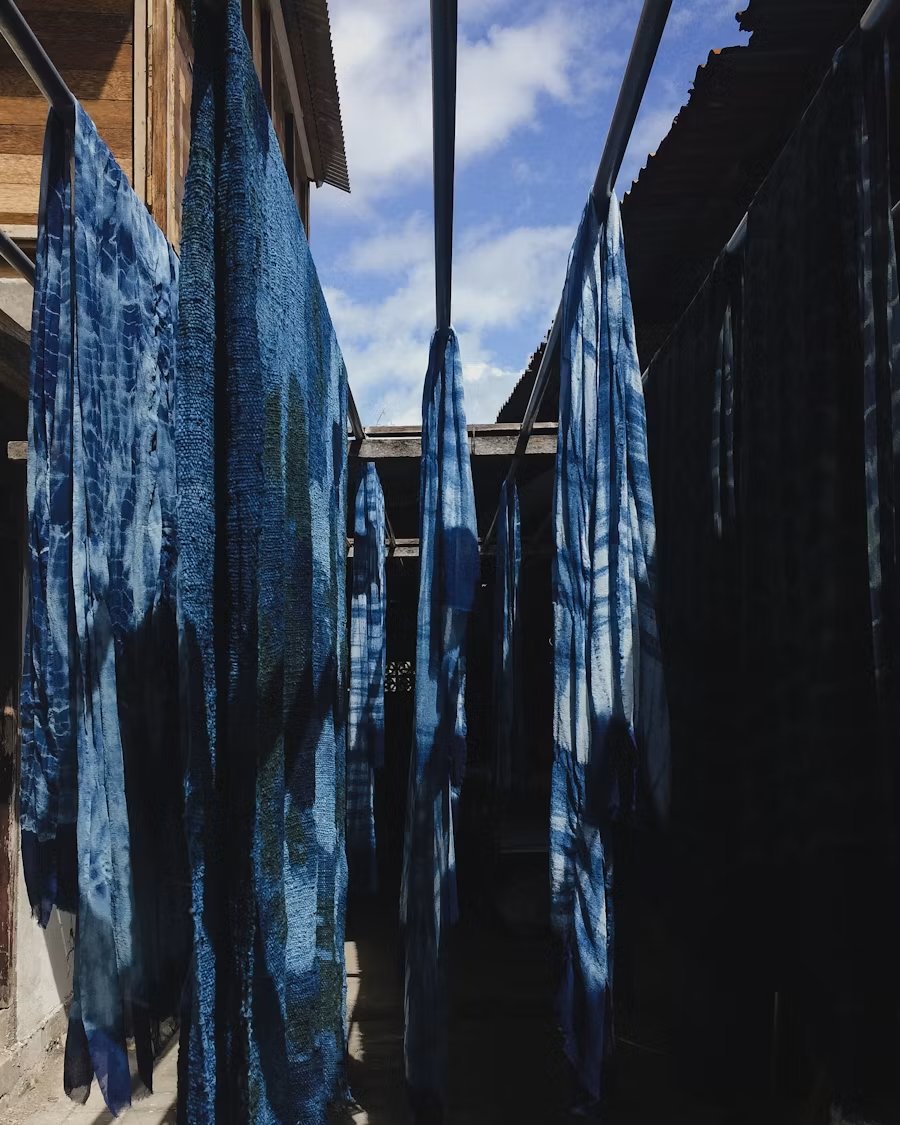
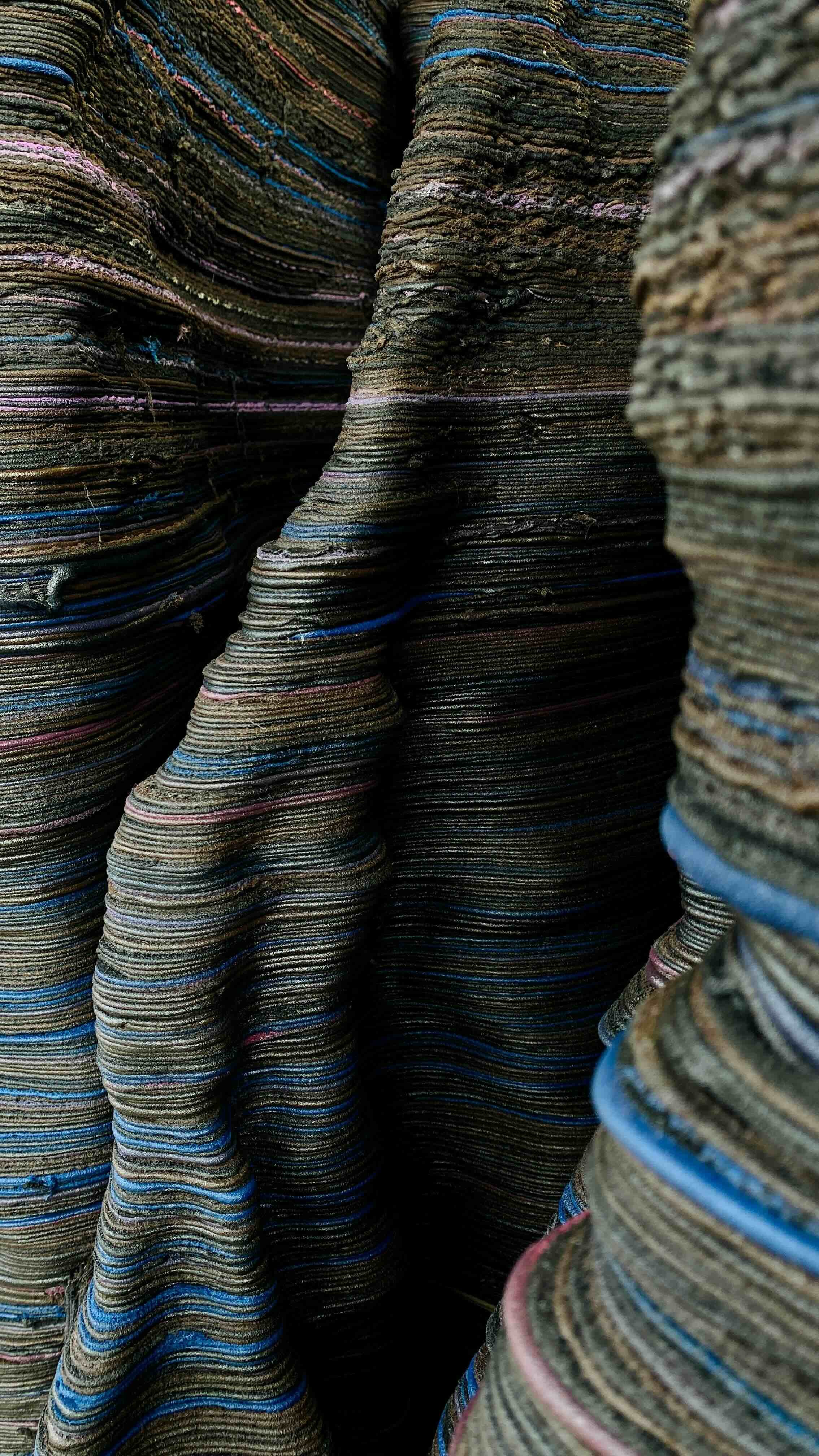
It is an essential reframing of the global debate, and one I share. I believe that the principle of Biophilia could help guide decision making in specification and design to restore life in all senses of the word.
Carbon remains critically important, but people often struggle to connect emotionally with tonnes of CO₂. Biodiversity, clean rivers, healthy soils and thriving ecosystems are tangible. They remind us why these conversations matter in the first place.
This is where biomimicry and Biophilic Design become natural partners.
Biophilic Design helps us create places where people experience nature and benefit from that connection. Biomimicry helps us understand how nature actually functions, revealing the principles that enable living systems to thrive.
Amanda sees them not as competing philosophies but as complementary approaches.
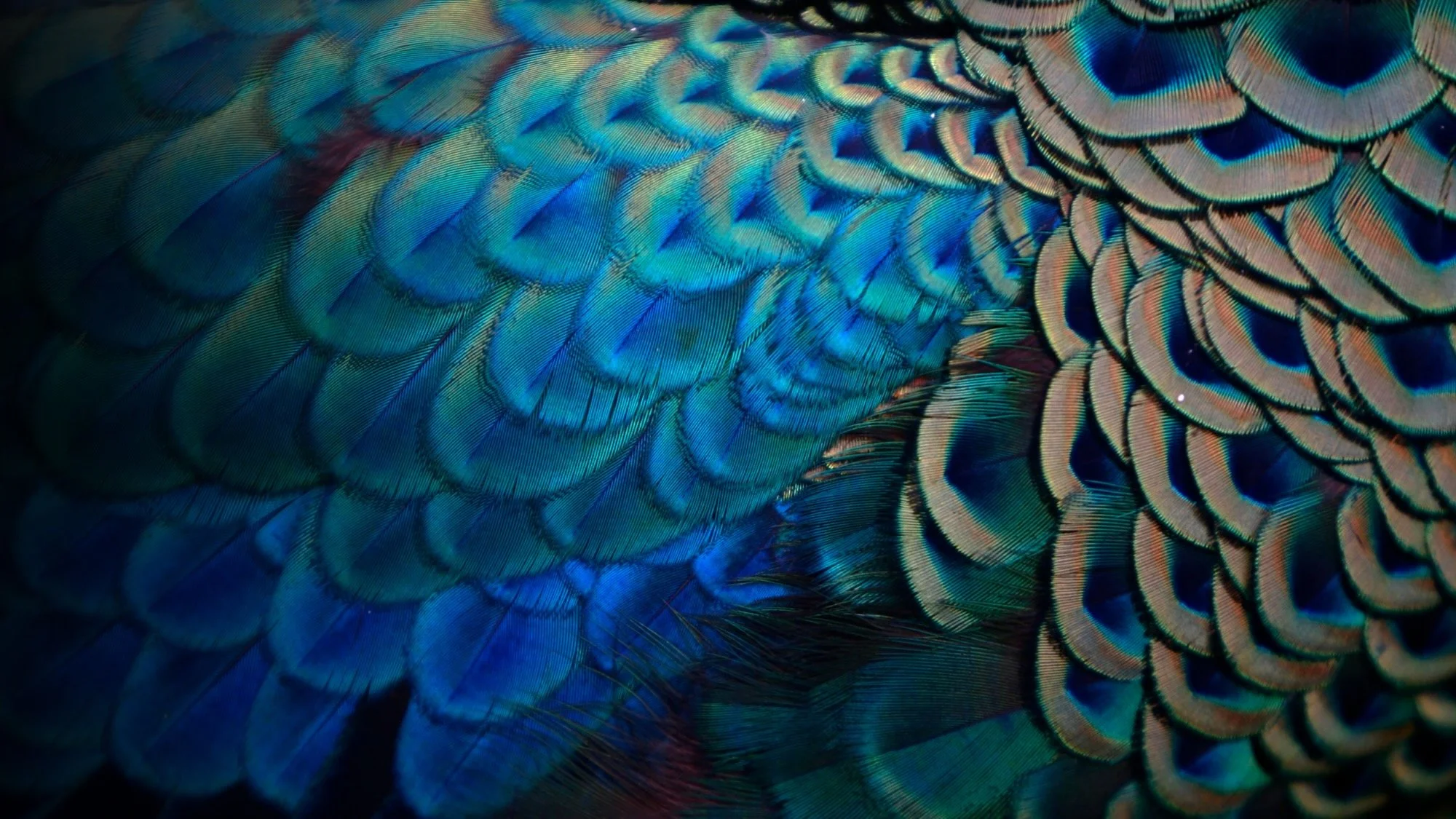
“Biophilic design and biomimicry are interconnected, interwoven… they’re really based on the same premise.”
We are not separate from nature—we are part of it.
For designers, this represents a shift from asking How sustainable is this product? towards the better question: How can this product actively participate in life’s regenerative cycles?
Whether designing a garment, a chair, a workplace or an entire neighbourhood, perhaps the most important design decision is not how something begins—but how it ends.
Nature has already written the brief, are we prepared to learn from it?
🌿 Win one of 50 FREE digital subscriptions to the Journal of Biophilic Design! Enter before the end of August 2026 and enjoy access to over 20 inspiring issues exploring nature, design, architecture and wellbeing https://mailchi.mp/journalofbiophilicdesign.com/50-free-subscription-promotion
https://biomimicry.org/innovation/nature-of-fashion/
Nature of Fashion Report: https://biomimicry.org/wp-content/uploads/2025/04/Nature-of-Fashion-Report.pdf
I did a podcast with Amanda before, watch and listen to it here: https://journalofbiophilicdesign.com/podcast-journal-of-biophilic-design/architect-amanda-sturgeon-on-biophilic-design-and-biomimicry
Have you got a copy of the Journal? You can now subscribe as a member of the Journal of Biophilic Design or purchase a gorgeous coffee table reference copy or PDF download of the Journal journalofbiophilicdesign.comor Amazon and Kindle.
Credits: with thanks to George Harvey Audio Production for the calming biophilic soundscape that backs all of our podcasts. Thank you also to Zoé Lay, Editorial Assistant for editing the podcast itself.
Listen to our podcast on Audible, Amazon Music, Spotify, iTunes, YouTube and all the RSS feeds.
https://www.facebook.com/journalofbiophilicdesign/
https://www.linkedin.com/company/journalofbiophilicdesign/
https://www.instagram.com/journalofbiophilicdesign
If you like this,please subscribe!