"Sleep is not something that simply happens. It is something our environment either supports or undermines."
When we think about improving sleep, many of us immediately turn to wearable technology, sleep trackers or the latest wellness trend. Yet according to Olympic Sleep Coach Sanjay Verma and Therese Haltuff of Norwegian bedding company Norsk Dun, restorative sleep begins long before our head touches the pillow. It begins with the environments we create. Their conversation reveals a fascinating overlap with the principles of Biophilic Design. From daylight and fresh air to natural materials, sensory comfort and our innate need to feel safe, the spaces around us quietly determine how well our bodies can recover each night. As Sanjay explains, sleep is far from passive.
"Most of us think sleep is a passive thing... but it's a very active process. Physically, mentally and emotionally, a lot happens when we sleep."
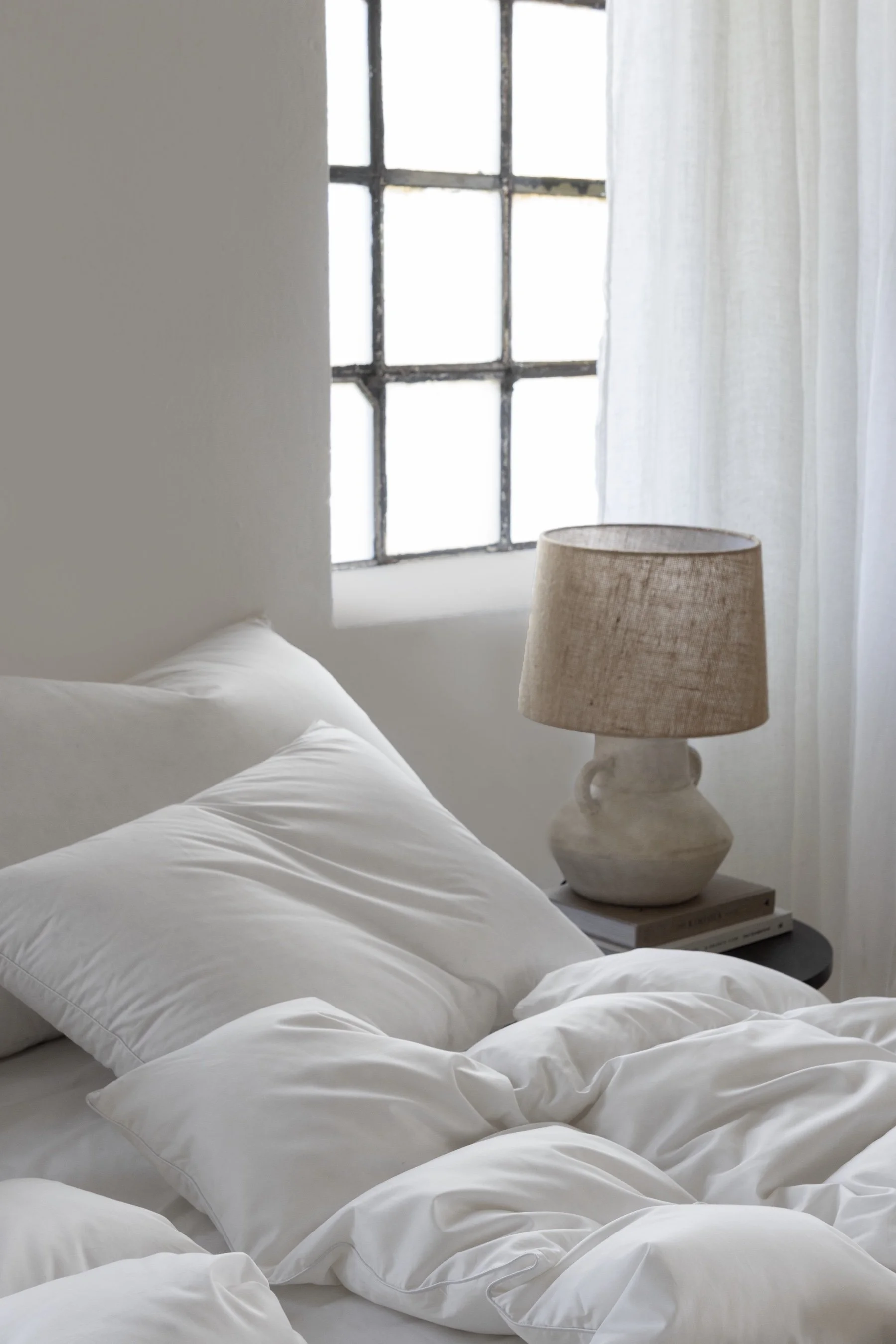
During sleep our bodies repair damaged cells, strengthen the immune system, consolidate learning and regulate emotions. It is, he says, quite simply the body's greatest recovery system.
"People say time is the greatest healer. But actually, if you look closely, it's sleep which is the greatest healer."
Sleep is the Foundation of Wellbeing
For years, nutrition and exercise have dominated conversations around health and performance. Sleep has often been treated as an afterthought. Not anymore. Sanjay argues that sleep is not simply another pillar of wellbeing—it is the foundation upon which everything else depends.
"It's not one of the third or fourth legs of wellbeing. It is the foundation of health and wellbeing."
Without sufficient sleep, even the healthiest diet or most carefully planned exercise programme cannot deliver the benefits we expect. Muscles fail to recover properly. Learning is impaired. Creativity falls. Emotional resilience declines. In other words, sleep is where the work of the day is completed.
Designing a Bedroom as Nature intended
Perhaps the strongest message throughout the discussion is that the bedroom itself should become an environment designed specifically for restoration. Sanjay offers a wonderfully simple description:
"The bedroom should be like a cave: dark, cool, quiet."
For anyone working in Biophilic Design, this immediately echoes the concept of prospect and refuge. Throughout human evolution we slept in places that felt protected, sheltered and secure. Our brains continue to seek those same environmental cues today.
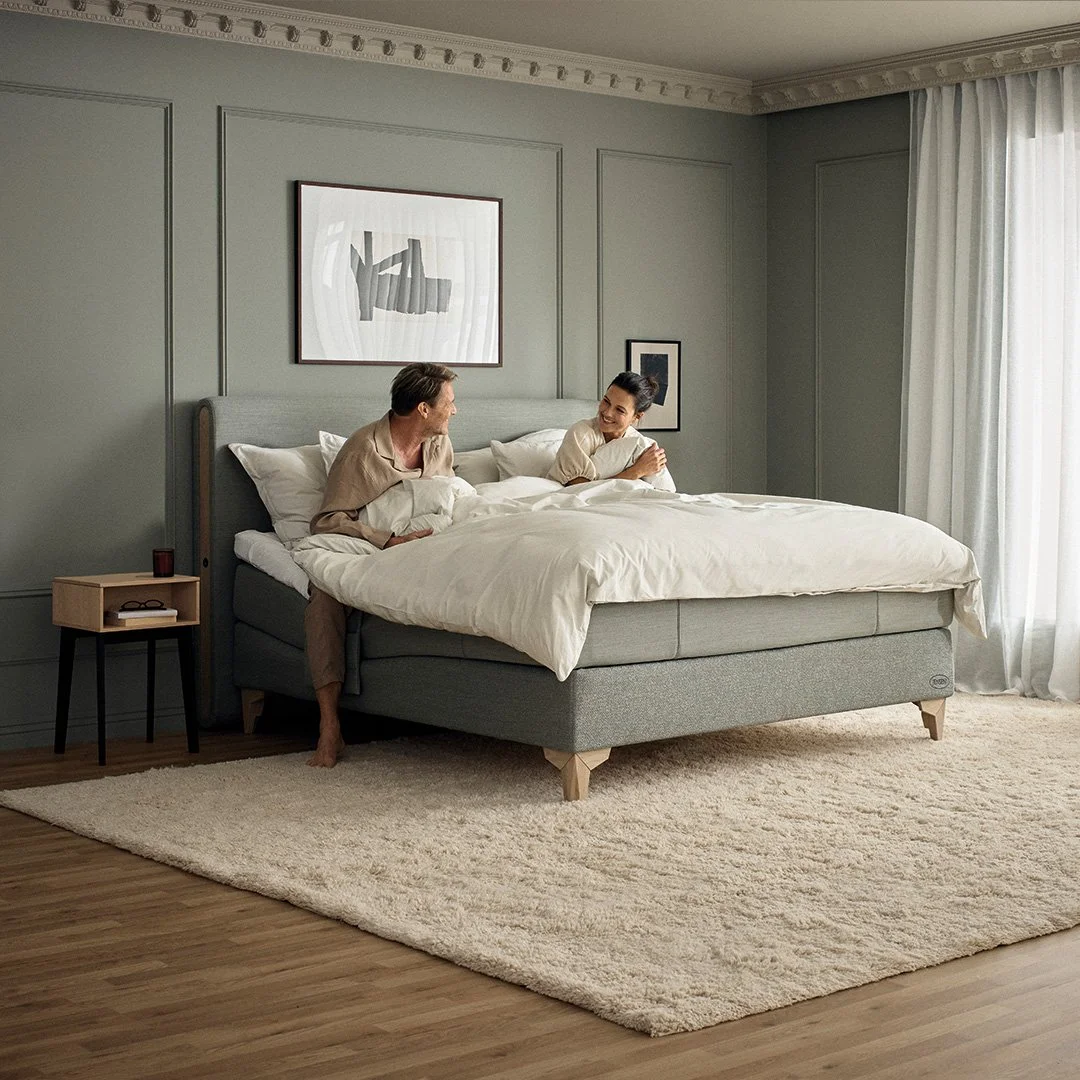
He identifies the essential ingredients for better sleep:
A cool room with good temperature control
Complete darkness
Quiet surroundings with minimal noise disturbance
Fresh, well-ventilated air
Comfortable humidity levels
Minimal electronic devices
A clutter-free space that feels safe
Even tiny details matter.
"Our eyes can sense light even when our eyes are closed."
That small standby LED on a television or charger may seem insignificant, but our brains remain remarkably sensitive to light throughout the night. Likewise, even slight increases in room temperature can fragment deep sleep, reducing the quality of overnight recovery.
Why Nature helps us sleep better
One of the most compelling parts of the conversation explores how our connection with nature throughout the day influences sleep at night. Morning daylight is particularly important.
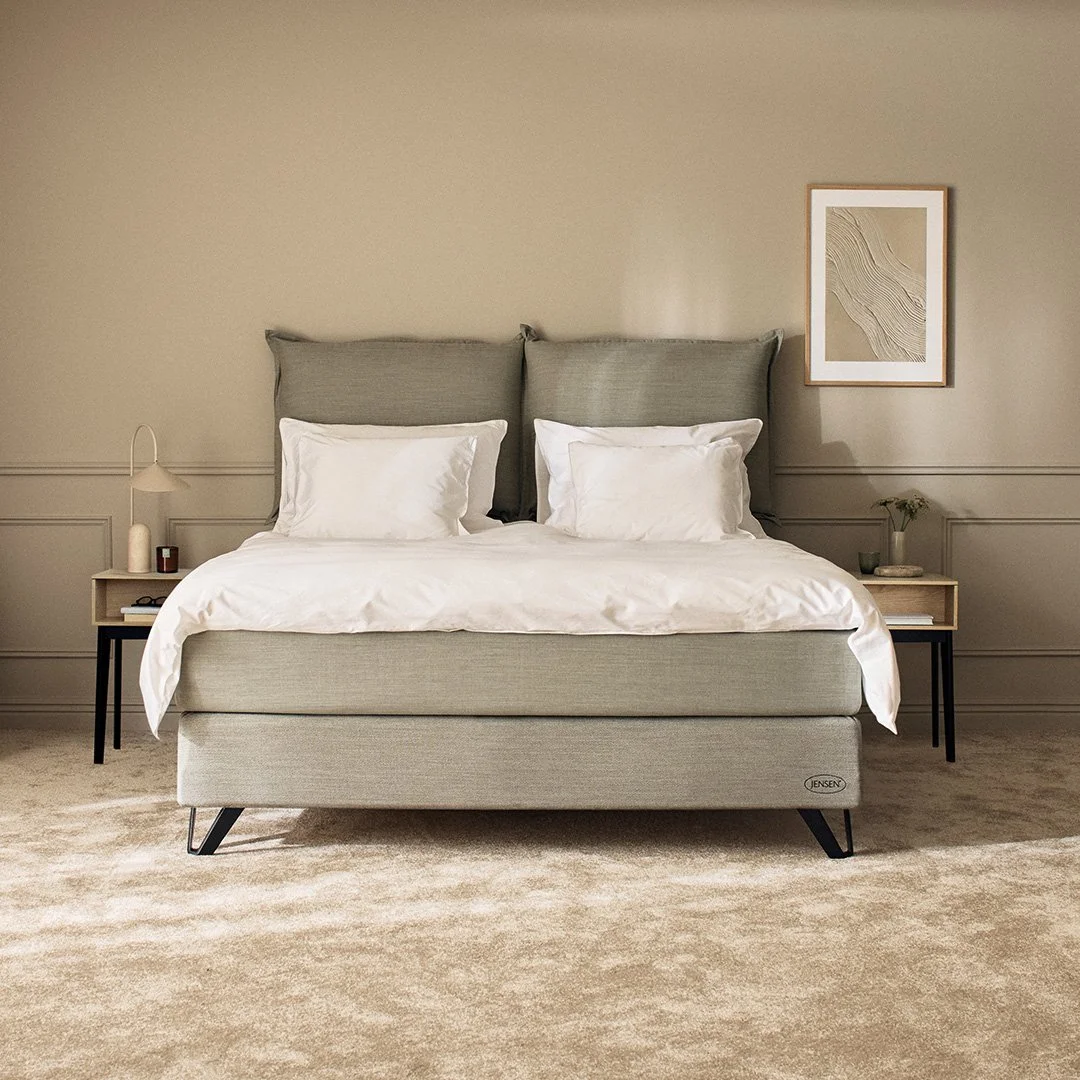
"If you want really good quality sleep in the night, start in the morning getting bright light."
Natural morning light resets our circadian rhythm, signalling to the brain that a new day has begun. Around sixteen hours later, this helps stimulate the release of melatonin—the hormone that prepares us for sleep. Time outdoors offers even more benefits. Walking, exercising and simply spending time in natural surroundings reduces stress while increasing serotonin production.
"Being in nature is de-stressing."
That serotonin later becomes melatonin, reinforcing the body's natural sleep cycle. Biophilic Design has long recognised these benefits. Access to daylight, views of nature and opportunities to connect with the outdoors are not aesthetic luxuries—they are essential components of healthy buildings.
A Scandinavian approach to Rest
Therese offers a fascinating insight into Norwegian attitudes towards sleep. Rather than viewing sleep as something to squeeze into busy lives, Scandinavians tend to treat it as an essential form of recovery. Fresh air plays a central role.
"Fresh air, movement and light is something that we relate to as wellbeing."
Bedrooms are often kept cool with windows open throughout the year. Most couples also sleep under separate duvets. "Sleep is personalised. It's not romantic at all." The idea is beautifully practical. No disturbed sleep from fighting over bedding, and no overheating from sharing one duvet! Each person creates their own ideal microclimate. It is a simple solution grounded in comfort rather than convention.
Natural Materials are best..
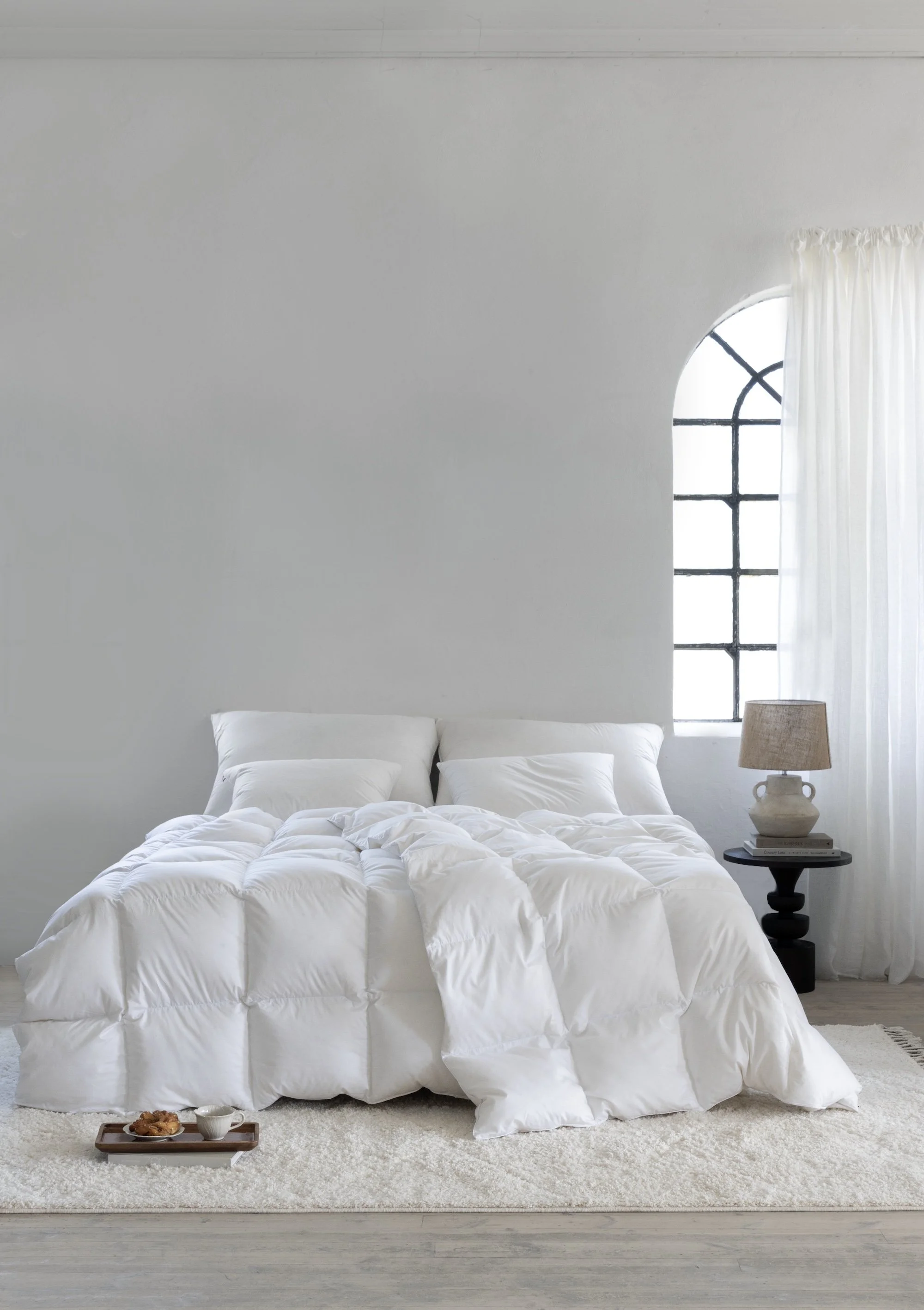
The conversation then moves beyond architecture into one of the most overlooked aspects of sleep: the materials that surround us. Therese believes that many people overcomplicate sleep.
"The body already knows how to do this. We just have to stop getting in the way of a good night's sleep."
Natural down and feathers have evolved over thousands of years to regulate temperature while managing moisture. Those same qualities continue to work when used in bedding. Rather than trapping heat or perspiration, natural materials breathe alongside the body, helping maintain the conditions our physiology naturally seeks during sleep. She also highlights the importance of tactile comfort.
"When you feel comfortable and safe, then you're able to relax."
This perfectly reflects another principle of Biophilic Design—that our sensory experiences shape our emotional state. The textures, softness and natural qualities of materials influence how secure and relaxed we feel long before we consciously notice them.
Sustainability begins in the Bedroom
An important theme running throughout the discussion is the growing connection between sustainability and personal wellbeing. Consumers are becoming increasingly aware that healthier products often prove to be more sustainable products too. Therese explains why transparency matters. "You're at your most vulnerable when you're sleeping. It matters what you surround yourself with." She encourages consumers to choose certified products, understand where materials come from and look for traceability throughout the supply chain. Natural fibres, responsibly sourced materials and products manufactured with respect for both people and planet all contribute to healthier indoor environments. This is where Biophilic Design comes into it’s own: designing for human health and designing for environmental health are fundamentally connected.
Five ways to Sleep better tonight
Drawing together the advice from both guests, five immediate changes stand out:
Keep your bedroom cool, dark and quiet.
Get outside into natural daylight early every morning.
Reduce electronics and unnecessary light in the bedroom.
Choose breathable natural bedding and materials that regulate temperature and moisture.
Treat sleep as a priority rather than fitting it around everything else.
As Sanjay reminds us: "Bedroom should be used primarily for sleeping—not for working, not for entertainment."
Designing for Better Sleep
Perhaps the greatest lesson from this conversation is that good sleep cannot simply be purchased through technology.
It must be designed.
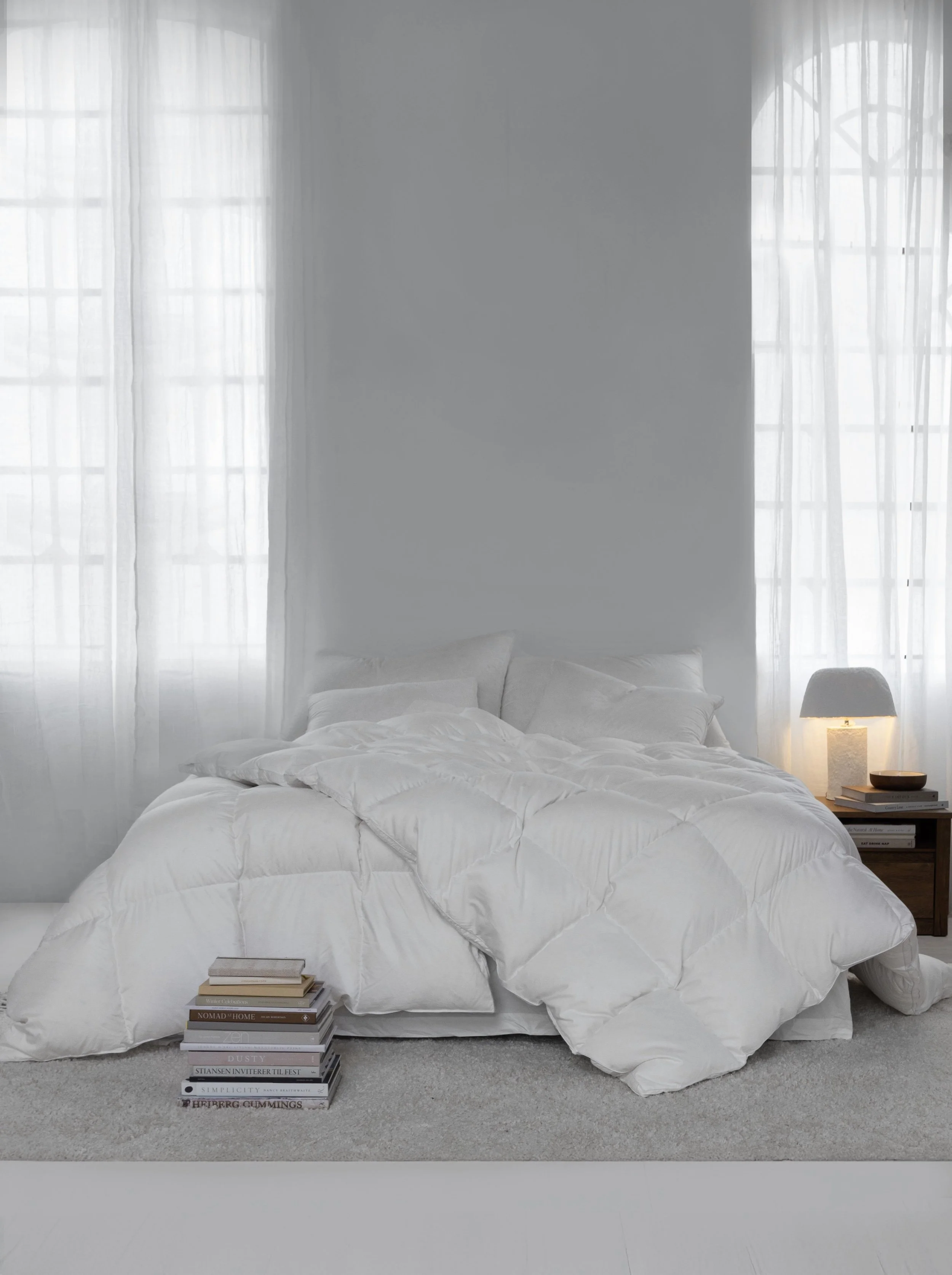
Every decision—from the amount of daylight entering a room, to ventilation, natural materials, acoustic comfort, humidity, tactile surfaces and views of nature—either supports or interrupts the body's remarkable capacity to restore itself. Biophilic Design has always recognised that our buildings should work with human biology rather than against it. Sleep may be one of the clearest examples of this philosophy in action. As Sanjay beautifully concludes: "Nature should not be an add-on... it should be part of our way of life."
For more information and to connect with Sanjay or Therese visit:
https://www.linkedin.com/in/sanjayvermase/ - Sanjay Verma - Olympic sleep coach and chief sleep officer at Jensen Beds
https://www.linkedin.com/in/therese-haltuff-31300727/ - Therese Haltuff from Norsk Dun ( Norwegian down bedding)
Jensen Beds: https://jensen-beds.com/uk/
Norsk Dun: https://norskdun.no
RDS (Responsible Down Standard): https://textileexchange.org/responsible-down-standard/
OEKO-TEX : https://www.oeko-tex.com/en/our-standards/
Downpass: https://www.downpass.com/en/homepage/
Like this? Why not subscribe as a member of the Journal of Biophilic Design or purchase a gorgeous coffee table reference copy or PDF download of the Journal journalofbiophilicdesign.comor Amazon and Kindle.
Credits: with thanks to George Harvey Audio Production for the calming biophilic soundscape that backs all of our podcasts.
Listen to our podcast on Audible, Amazon Music, Spotify, iTunes, YouTube and all the RSS feeds.
https://www.facebook.com/journalofbiophilicdesign/
https://www.linkedin.com/company/journalofbiophilicdesign/
https://www.instagram.com/journalofbiophilicdesign
If you like this,please subscribe!