Emergency departments are some of the most punishing workplaces in healthcare. Clinicians move in seconds from breaking catastrophic news to families, to resuscitating a dying patient, to reassuring a parent whose child has a simple fever. We rightly talk a lot about patient experience. We talk far less about what these relentless environments do to the people who work in them.
A pilot study published in the Journal of Biophilic Design suggests that something as simple as one minute of looking at nature-based art can measurably ease that burden.
The research was led by emergency physician and US Army major Dr Anant Shukla at Dartmouth-Hitchcock Medical Center in New Hampshire, with Dr Harman Gill, an emergency and critical care physician, as senior researcher. Their lived experience in A&E (ED) is the backdrop to the work.
Dr Gill recounts a single shift that started with the emergency delivery of a baby girl in the middle of a chaotic winter flu season. Within 40 minutes, the new mother was in catastrophic postpartum haemorrhage. The same team that had just celebrated a new life found themselves fighting to save another. Then, as he points out, they must walk into the next cubicle – whether it’s a heart attack or “just the sniffles”, and deliver the same standard of calm, competent care. What happened 20 minutes earlier is invisible to the next patient, but not to the clinician’s nervous system.

Dr Shukla describes the ED as “controlled chaos”, windowless, noisy, metal and plastic surfaces, a “cave” in the hospital basement. During Covid, he noticed something striking, upstairs, patients on certain wards with views of nature or biophilic art were using less narcotic pain medication. Staff downstairs had nothing similar. “We do so much for patients and visitors,” he says. “Why not for clinicians?”
From that question came this experiment: could just one minute of viewing biophilic art shift clinicians’ emotional state in a meaningful way?
The study
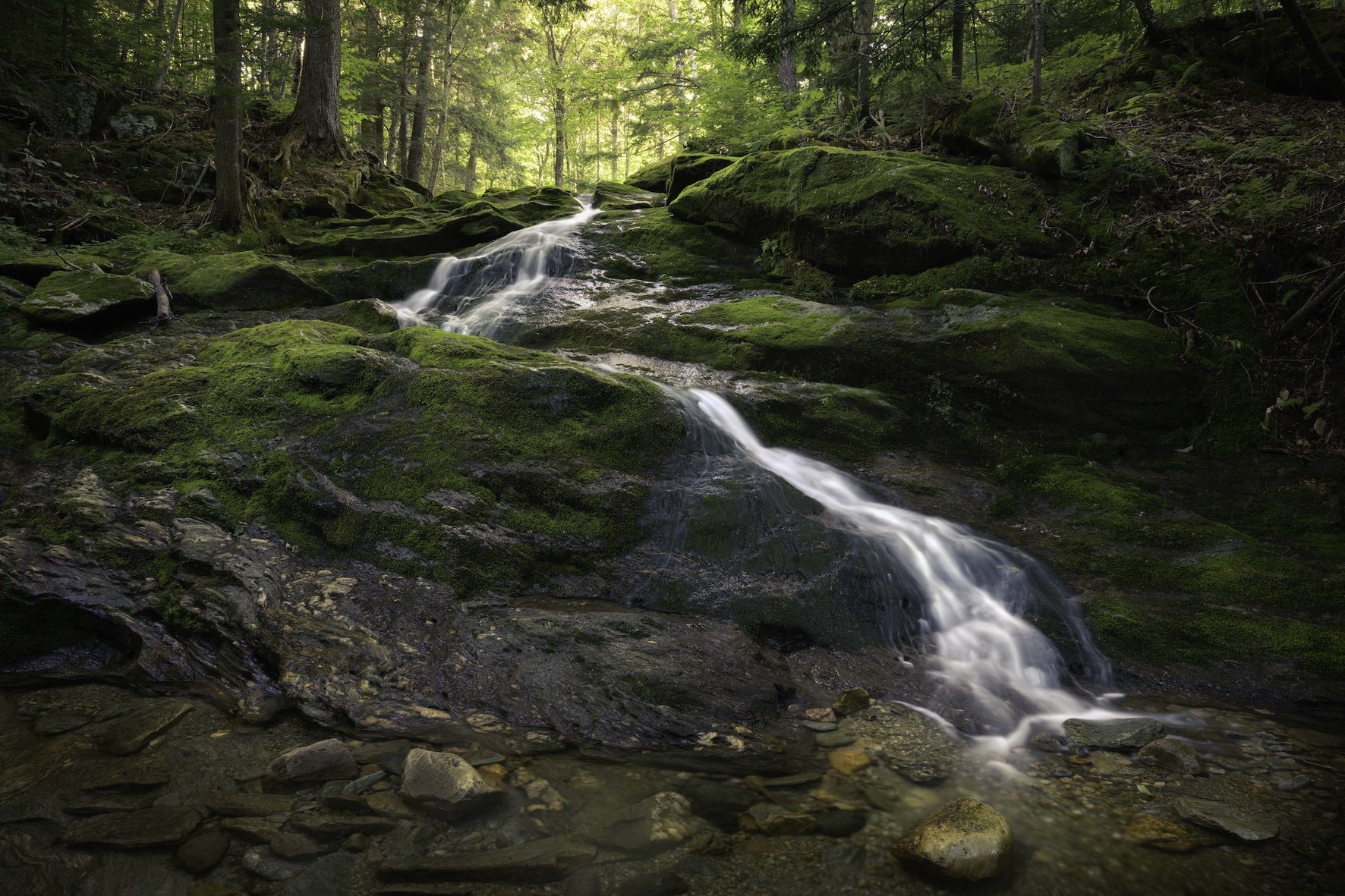
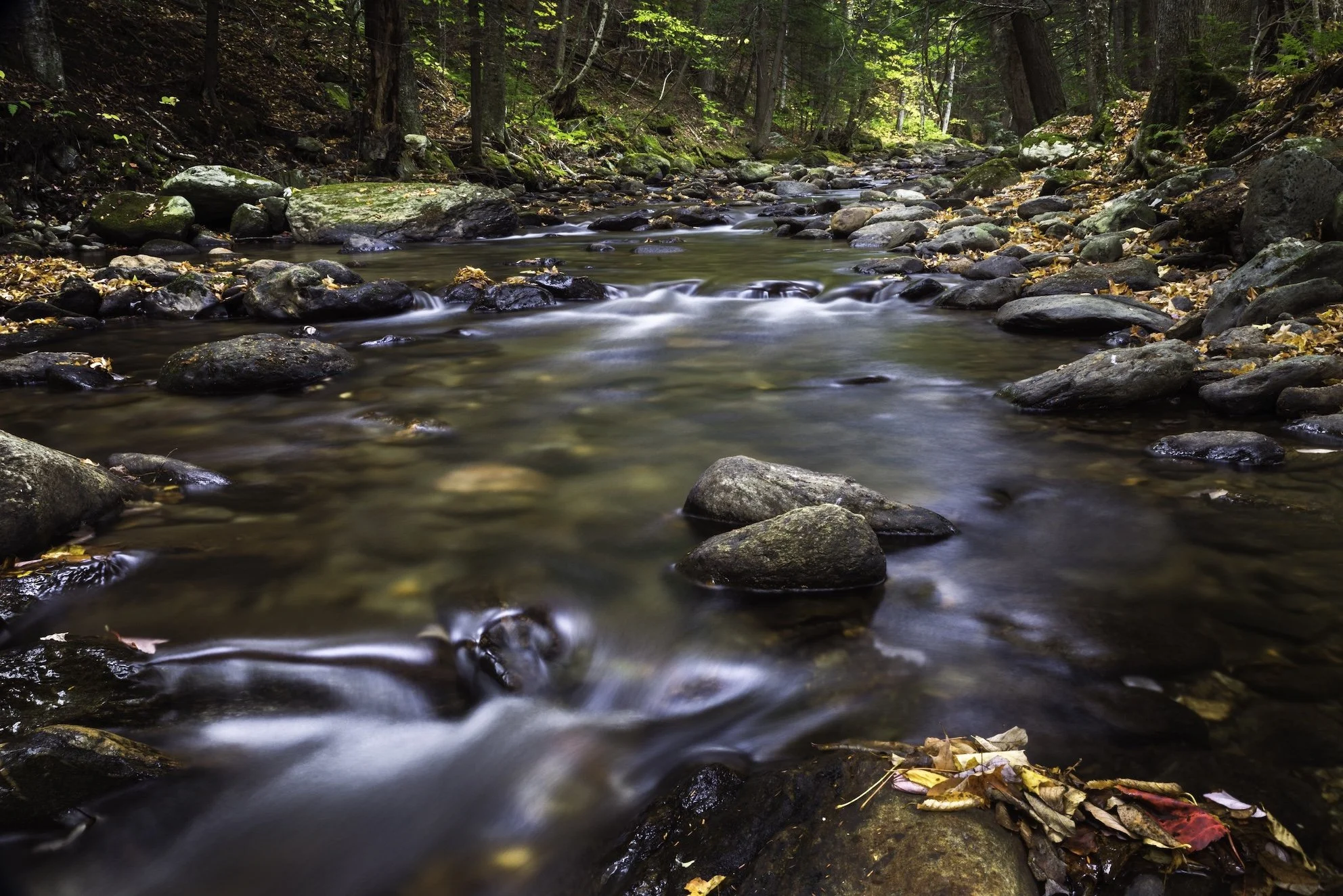
In the ED’s staff “cave”, one wall was given over to large-scale photographs of local New Hampshire landscapes: a mountain stream, autumn foliage, a cluster of birch trees in winter, a calm pond. The works, by a local photographer, were intentionally familiar – the sort of scenes you could walk out and see within a few miles of the hospital.
Clinicians, doctors, nurses, advanced practice providers and residents, could, when they had a moment, scan a QR code next to the artwork. They completed a brief validated survey (using the Daniels Five-Factor Measure of Affect) rating how they felt “right now” on items such as calm, at ease, anxious, tired, gloomy, annoyed. They were then instructed to look only at the art for one minute, using a timer on their phone, and repeat the survey immediately afterwards.
In a level 1 trauma centre, even getting people to pause for sixty seconds is a challenge. Yet enough staff participated over time for the team to analyse pre‑ and post‑scores using standard statistical tests.
Key findings of the biophilic art study
The results were modest in scale but statistically robust, especially given the small sample and chaotic setting:
- Anxiety fell from an average score of 2.6 to 2.0 , with a p‑value of 0.003 (meaning only a 0.3% likelihood this was due to chance).
- Calm increased from 3.6 to 4.3 (p = 0.02 ).
- Feeling “at ease” increased from 3.3 to 4.0 (p = 0.003 ).
- Negative feelings such as feeling gloomy, tired and annoyed all showed statistically significant decreases.
In plain language: after just one minute of viewing nature imagery, clinicians felt less anxious, less gloomy and calmer and at ease, in a way that is extremely unlikely to be explained by random fluctuation.
The researchers are careful not to oversell this as a cure for burnout. No picture can fix under‑staffing, moral injury, or a broken healthcare system. But it can, as Gill puts it, create a “mandatory pause”, a tiny, biophilically designed, evidence‑based intervention that gives staff a momentary psychological reset.
What this means for A&E design
If a single minute in front of one picture can move the needle, what might a genuinely biophilic emergency department achieve?
At present, most EDs, in the US and UK alike, are buried in basements, windowless, acoustically harsh and visually sterile. Design decisions are dominated by managerial concerns, like where to put trolleys, equipment, computers. By contrast, high‑performing companies like tech firms deliberately shape workplaces to support focus, recovery and creativity.
This research can help empower staff and designers to argue for change. Windows where possible, daylight‑mimicking lighting where it isn’t, local and seasonal nature imagery, quieter materials, designated biophilically designed micro‑spaces where staff can pause and look at something other than a monitor or a curtain track.
Clinicians are not an endlessly replaceable resource. They are human beings, carrying enormous emotional loads on behalf of the rest of us. If we expect them to bring their best selves to our worst days, the least we can do is design emergency departments that give them a chance, even if it begins with just one minute and one view of nature.
To read the research: Journal of Biophilic Design, Issue 18, Interior Design (2025), pp. 50-61 “Impact of a brief viewing of biophilic art on the affective wellbeing of clinicians in the Emergency Department”
To read the research paper, please download The Journal of Biophilic Design, Issue 18, Interior Design (2025) here: https://journalofbiophilicdesign.com/shop/journal-of-biophilic-design-issue-18-interior-design-digital-download or buy a high quality coffee table reference Book version here: https://journalofbiophilicdesign.com/shop/journal-of-biophilic-design-issue-18-interior-design-printed-coffee-table-reference-copy
If you would like to know more or explore collaboration, please contact Dr Harman Gill directly: harmansinghgill@gmail.com
Have you got a copy of the Journal? You can now subscribe as a member of the Journal of Biophilic Design or purchase a gorgeous coffee table reference copy or PDF download of the Journal journalofbiophilicdesign.comor Amazon and Kindle.
Watch the Biophilic Design Conference 2026 - www.biophilicdesignconference.com
Credits: with thanks to George Harvey Audio Production for the calming biophilic soundscape that backs all of our podcasts.
Listen to our podcast on Audible, Amazon Music, Spotify, iTunes, YouTube and all the RSS feeds.
https://www.facebook.com/journalofbiophilicdesign/
https://www.linkedin.com/company/journalofbiophilicdesign/
https://www.instagram.com/journalofbiophilicdesign
If you like this,please subscribe!