We spend about 90% of our lives indoors, yet our cities, offices and homes are rarely designed with the biological reality of that fact in mind. That disconnect between humans and the natural systems we evolved within is becoming harder to ignore. Biophilic Design is a growing movement in architecture and planning, which argues that bringing nature back into the built environment is not a luxury or aesthetic flourish but a public-health, economic and social necessity.
Alexandra Bowen, founder of the Biophilic Design Community on LinkedIn, puts it bluntly: “Our minds and bodies evolved over thousands of years to thrive in nature. If we’re indoors almost all the time, we have to be deliberate about reconnecting with it.”
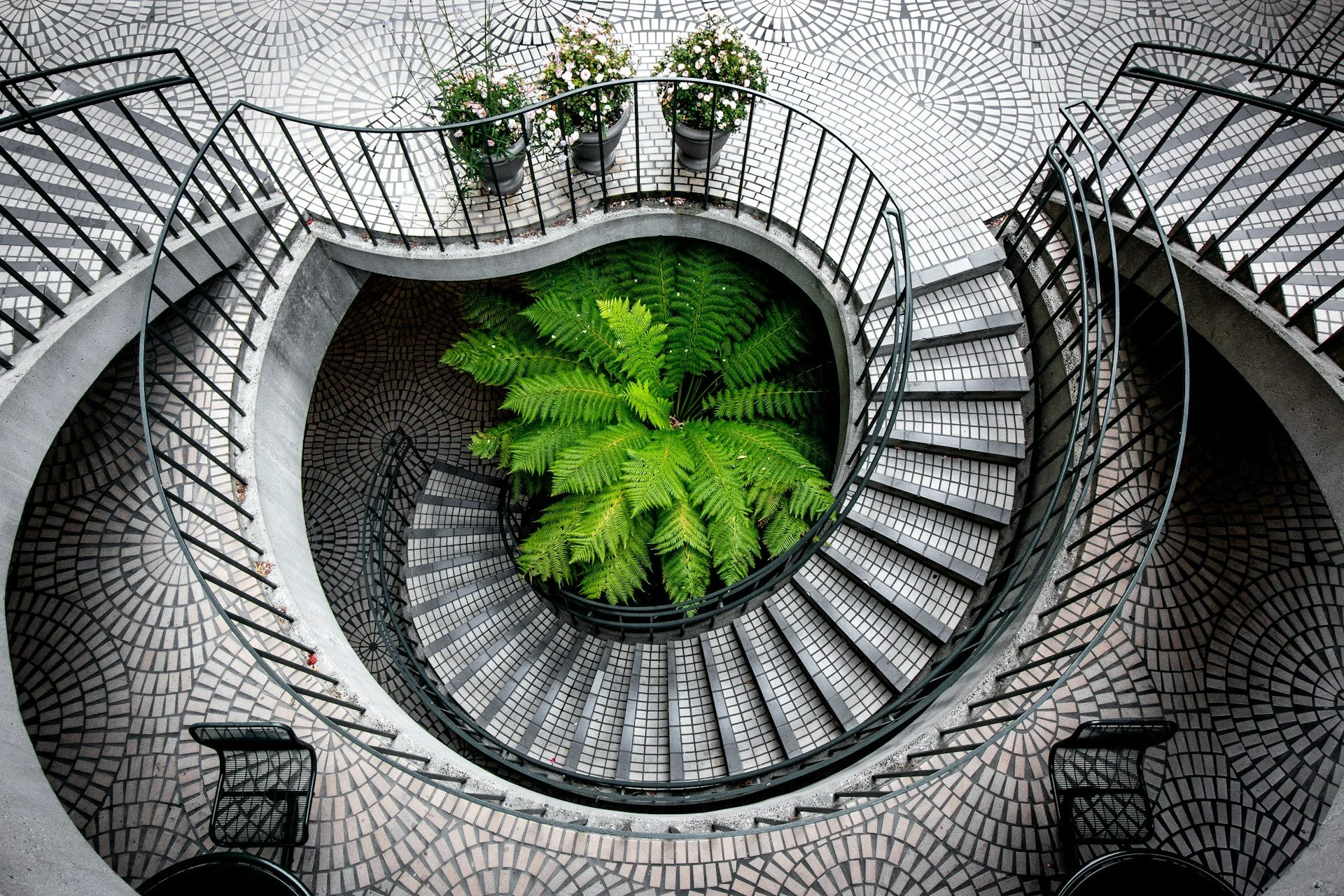
Her argument echoes a growing body of research suggesting that the benefits are measurable. Studies cited by designers show that access to daylight and views of nature can improve cognitive performance and memory recall by around 15%, while hospitals with natural light have reported 41% shorter patient stays. In schools, improved ventilation has been linked to 14% better maths scores and significantly reduced sickness absence.
Yet despite the data, the messaging around biophilic design is often muddled and sometimes even contradictory. On the one hand, the concept is gaining traction in sustainability frameworks and workplace strategies. On the other, it is frequently reduced to a checklist: a plant in the corner, a “green wall”, or a scattering of faux foliage.
Alex calls out the “Frankenstein approach”, where offices and restaurants install plastic plants to simulate nature. “We’re bringing petroleum-based materials indoors to try to feel closer to nature. It misses the point,” she says. “True biophilic design is rooted in living systems and science, not just visual symbols.”
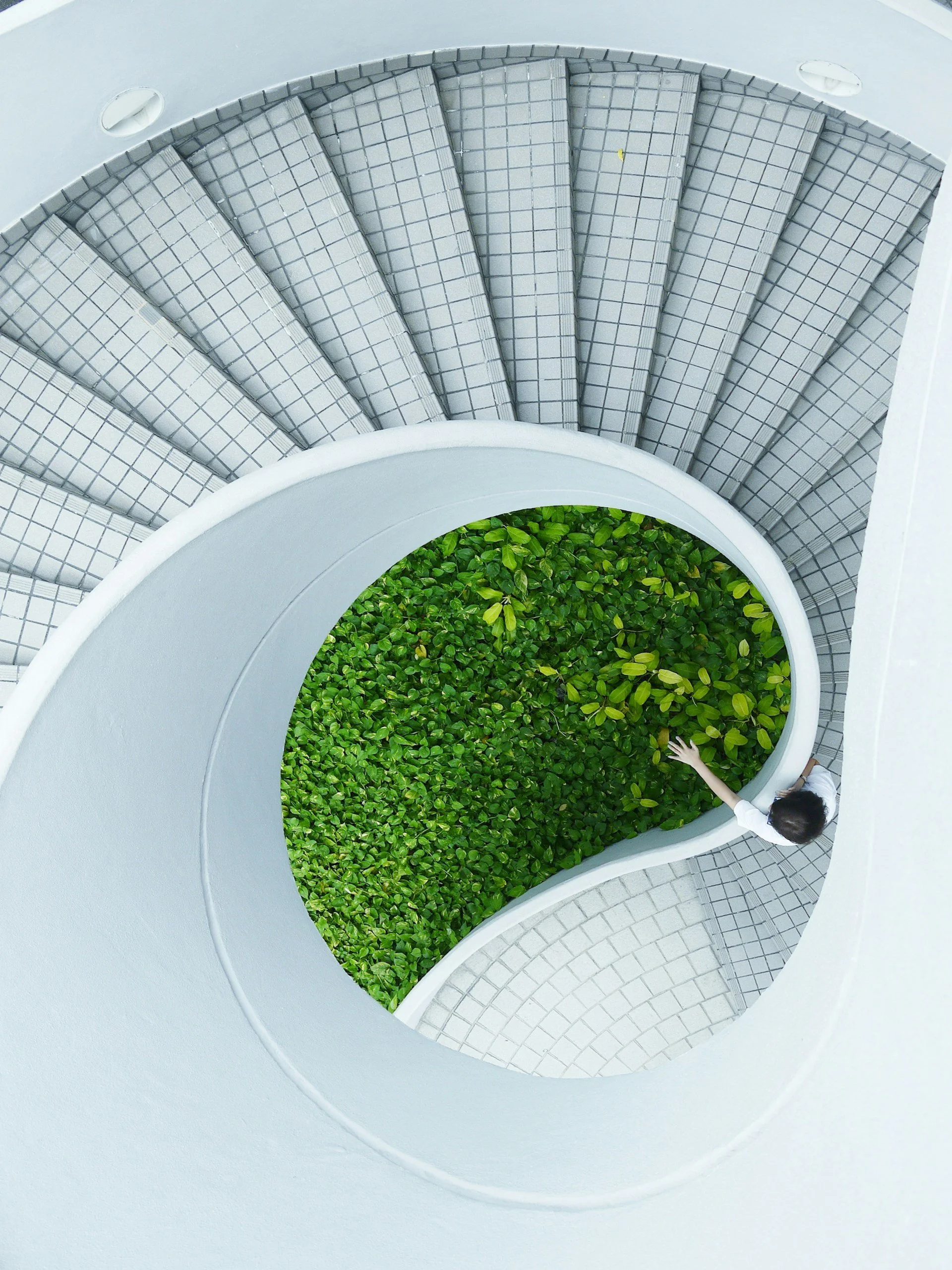
The stakes go beyond aesthetics. Poor indoor environments carry enormous economic costs. In the United States alone, the annual cost of poor indoor air quality has been estimated at $75bn. Meanwhile, nature-based infrastructure such as urban green spaces, wetlands or tree canopies, can be 42% cheaper than traditional “grey” infrastructure and deliver 36% more value when broader benefits such as air quality, biodiversity and public wellbeing are taken into account.
Still, many planners and developers remain wary. The first barrier is cost, or rather, the perception of it. Biophilic features are often seen as expensive add-ons, vulnerable to being “value (or rather cost)-engineered out” of projects. But advocates argue this misses the bigger picture.
“People focus on the initial cost,” Alex says, “instead of the compounding returns over a building’s lifetime.” Those returns can include improved employee productivity, lower healthcare costs, reduced energy use and increased property value.
Another barrier is language. As urban societies become further removed from the natural world, even the vocabulary that describes it is fading. Words such as river, moss or meadow appear less frequently in everyday discourse than they once did, while technological metaphors dominate. That loss of language reflects a deeper cultural shift and one that makes reconnecting people with nature harder.
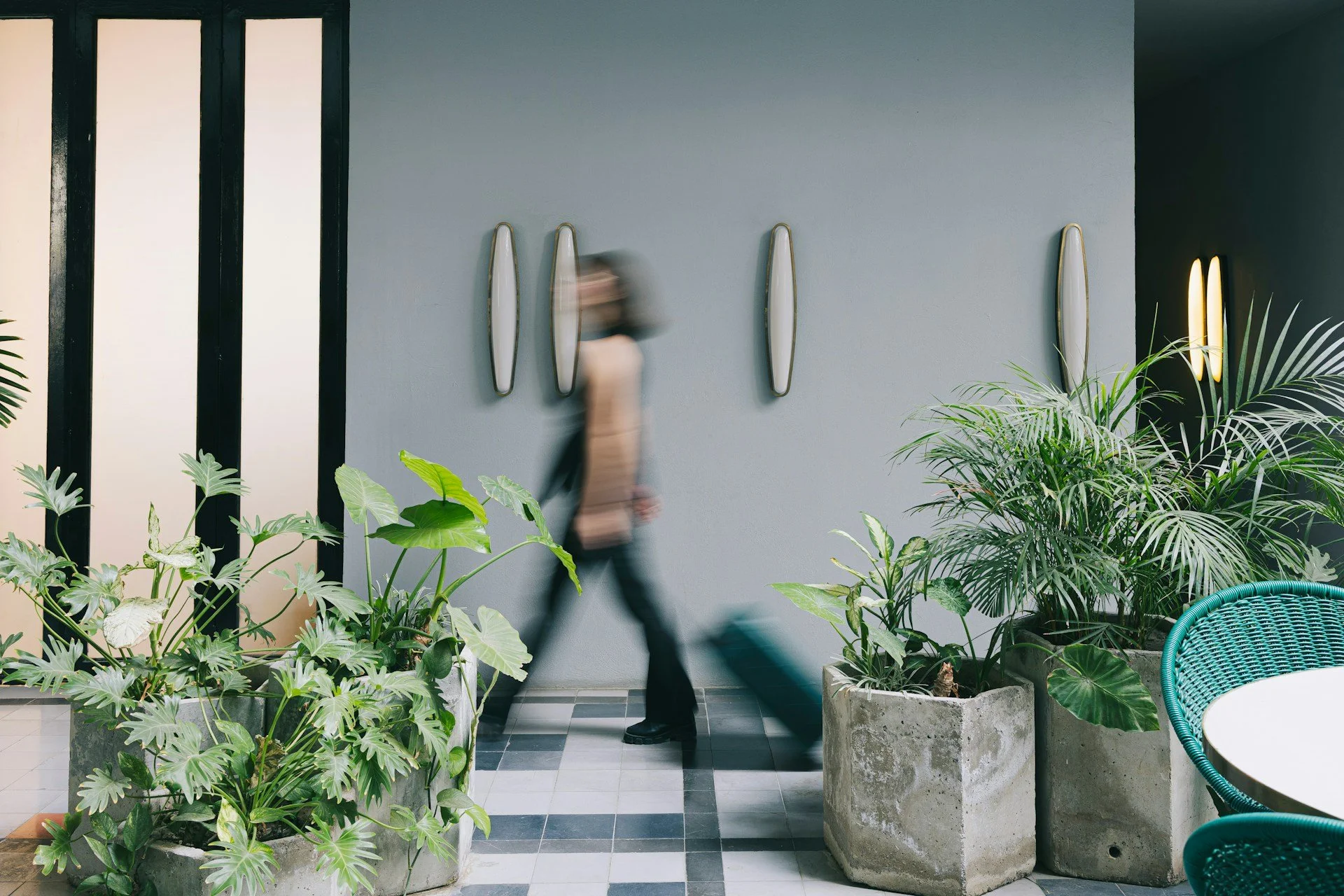
There is also a structural challenge within design professions themselves. Modern architecture has often prioritised form over ecological function, producing cities where, as critics have long noted, you can travel thousands of miles and encounter the same glass boxes, chain stores and climate-controlled interiors. The result is what urbanists call the “geography of nowhere”: places that feel interchangeable and detached from their landscapes.
Biophilic design proposes a different starting point. Instead of asking what to build on a site, designers ask how nature already works there and look at its climate, ecology, history and culture. This approach, rooted in the concept of genius loci, or “spirit of place”, emphasises designing with the land rather than imposing upon it.
It also extends beyond architecture into community life. When it is done well, biophilic design can strengthen social connection and a sense of belonging in cities. Public spaces that integrate natural systems, trees, water, biodiversity and seasonal change, tend to encourage interaction and stewardship. People are more likely to care for places they feel connected to.

In practice, the shift can start small. Sometimes it is as simple as rearranging a workspace, so people face a window rather than a wall. At larger scales, it may involve redesigning entire districts around green corridors, urban forests or restored waterways.
But advocates say the most important change is mindset. Biophilic design works best when integrated from the beginning of a project, not added at the end. That means involving architects, planners, engineers, ecologists and communities in collaborative workshops — and treating nature as essential infrastructure, not decoration.
The debate is only likely to intensify as cities grapple with climate change, mental-health challenges and declining biodiversity. If the built environment is going to support healthier lives, it must reflect the ecosystems that sustain us.
We’re not separate from nature. We are nature. Biophilic Design is the key which reconnects us to that vital truth.
References:
Connect with Alexandra direct here: https://www.linkedin.com/in/alexandrabrower/
Biophilic commmunity: https://www.linkedin.com/company/biophilic-design/
Learn Biophilic Design Course: https://learnbiomimicry.com/biophilic-design
Walla dalla Costa: https://www.tawarc.com/new-page
ROBERT BRAY ASSOCIATES: https://robertbrayassociates.co.uk/ (who Alex mentioned she did the SuDS workshop with in Bristol)
Have you got a copy of the Journal? You can now subscribe as a member of the Journal of Biophilic Design or purchase a gorgeous coffee table reference copy or PDF download of the Journal journalofbiophilicdesign.comor Amazon and Kindle.
Book tickets and join us in PERSON and LIVE STREAMED Biophilic Design Conferencewww.biophilicdesignconference.com
Credits: with thanks to George Harvey Audio Production for the calming biophilic soundscape that backs all of our podcasts.
Listen to our podcast on Audible, Amazon Music, Spotify, iTunes, YouTube and all the RSS feeds.
https://www.facebook.com/journalofbiophilicdesign/
https://twitter.com/JofBiophilicDsn
https://www.linkedin.com/company/journalofbiophilicdesign/
https://www.instagram.com/journalofbiophilicdesign
If you like this,please subscribe!