Is it Utopian thinking to imagine a world architected not just to sustain, but to regenerate. A space where every brick, every plant, every human interaction pushes us closer to harmony with nature? Enrique Soler, is Design Director for Major Projects at Area, where he leads a multidisciplinary team of designers. Formerly Head of Design for Willmott Dixon Interiors, Enrique is a design visionary and passionate advocate of biophilic and regenerative spaces. In this podcast interview he takes us on a journey beyond eco-friendly clichés to uncover how biophilic design can fundamentally transform our relationship with the planet and each other.
Sustainability alone is no longer enough. It’s become a hollow badge; a marketing tab on products. We have to be specifying with regeneration as a fundamental baseline. We have to aim to be net positive, to give back to the earth, and nurture all life through design. If we want to thrive, we must shift from mere mitigation to conscious creation of spaces that actively enhance biodiversity, air quality, and human well-being.
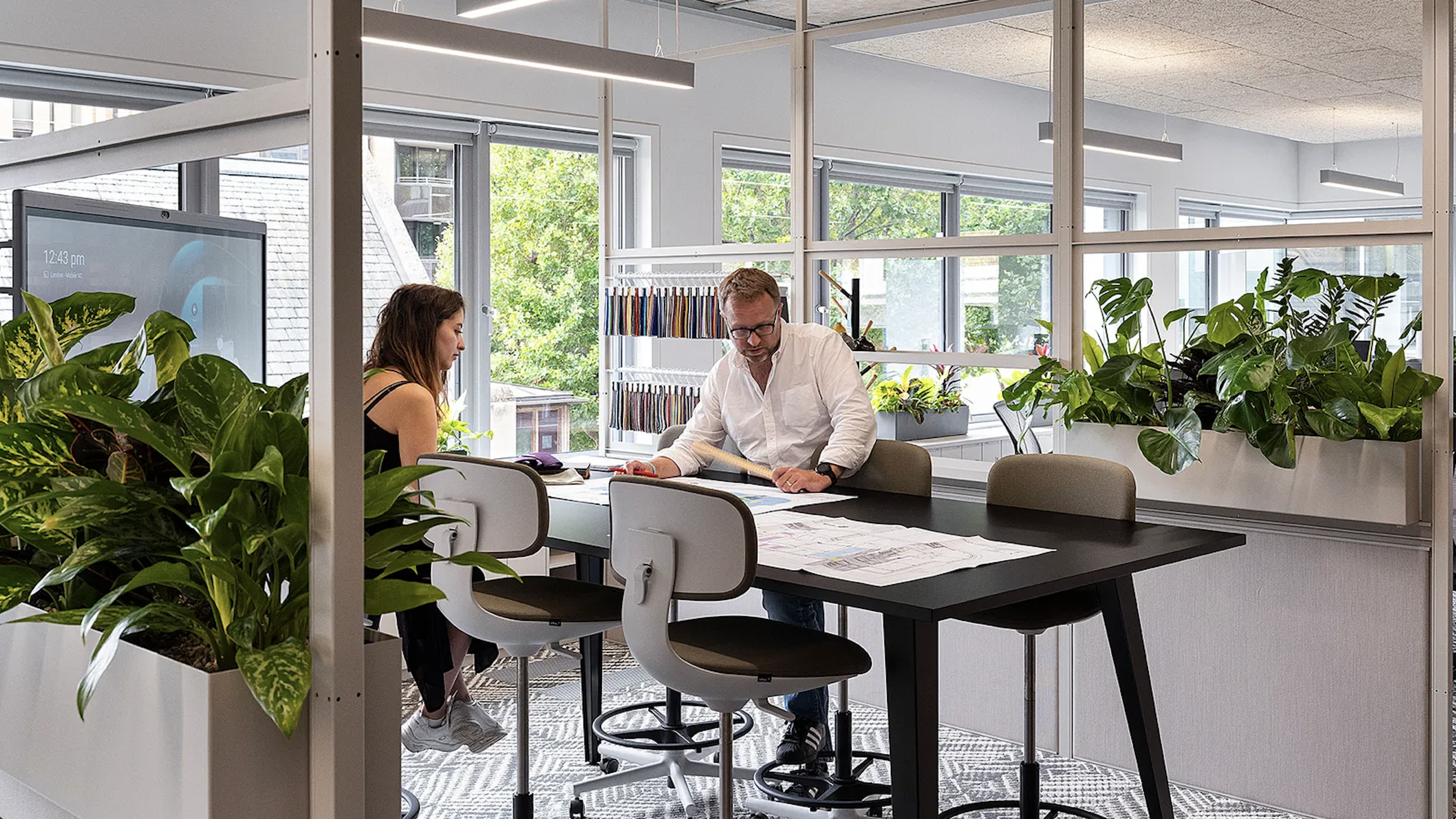
Enrique’s practice extends deep into the core of biophilic philosophy. "It’s not about just having a plant here or there, it’s systems thinking, connecting everything: natural materials, community involvement, local art, and the web of life. Design must be holistic." He illustrates that interior environments capable of reducing noise, improving sleep, and fostering healthy ecosystems are essential.
He shares the surprising outcome of how circadian lighting actually also reduced the sound levels in an office environment, as people were calmer. It’s amazing how biophilic elements can have a far-ranging effect on human health and productivity.
We also discuss urgency. Without Biophilic Design, we're simply continuing a path of destruction. The materials we would otherwise turn to: plastic, synthetic, cheap, are the very things that threaten our future. Through Biophilic Design we’re correcting course now, returning to natural, renewable resources like hemp, timber, and even innovative composites like mycelium. We have to respect nature’s way, we have to design with circularity in mind, with long-term thinking. Modular systems, lifespan-aware biophilic materials, community-centred projects are practical strategies to future-proof spaces while healing our planet.
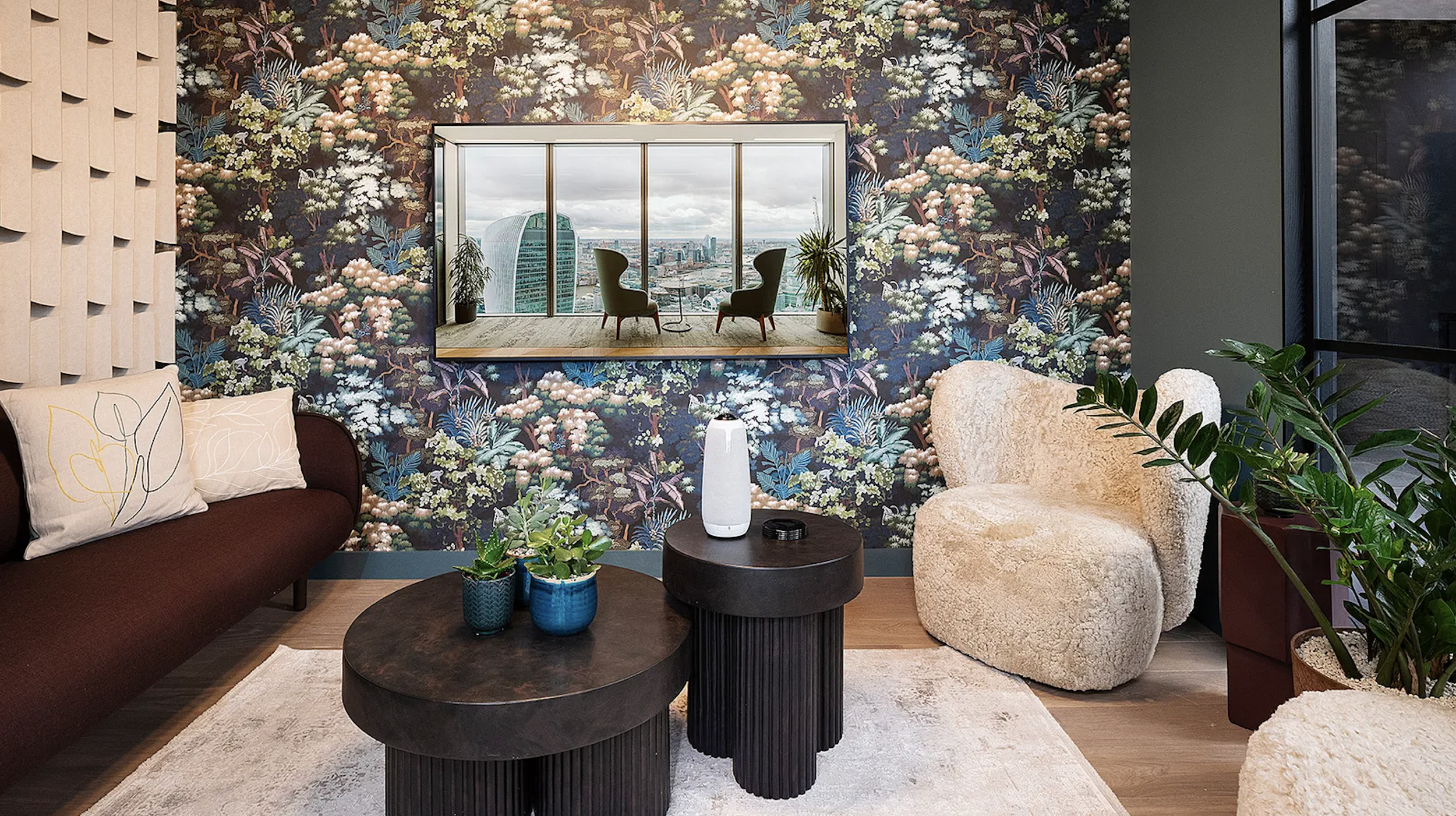
Enrique urges designers and clients alike to rethink their priorities: "It’s not just about what looks good. It’s about systems, life cycles, interconnectedness. Our spaces should give back, support biodiversity, and reflect the complex web we’re part of." He reminds us that each choice, from material to layout, matters. "The butterfly effect is real," he says. "A simple plant, a thoughtfully designed community space, can ripple into broader ecological and social benefits."
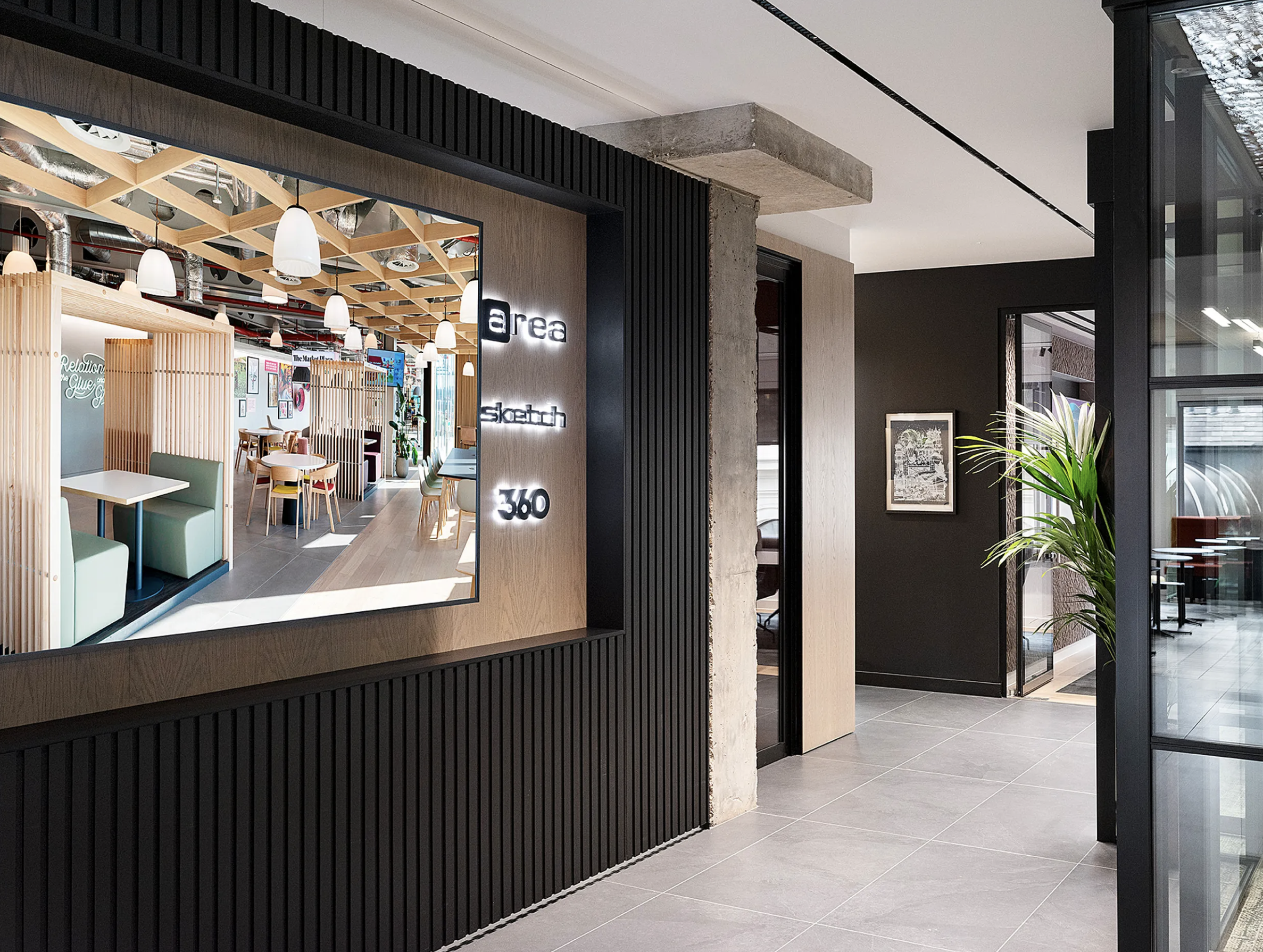
I think more and more of us are ready to build responsibly, mindfully, regeneratively. Whether you’re a designer, a business leader, or just someone who cares about planet and people, Enrique’s insights challenge you to see your role differently. Not just as someone working in design or build, but as a steward of life. Each one of us can shape the environment to support thriving communities and ecosystems for generations to come.
Are we ready to change the way we create, to heal what’s broken, and to embrace a truly regenerative future? We have a collective future. For anyone committed to redefining purpose in design, this episode is an essential listen. Because the truth is, we have no other option but to build a world that regenerates, not just sustains.
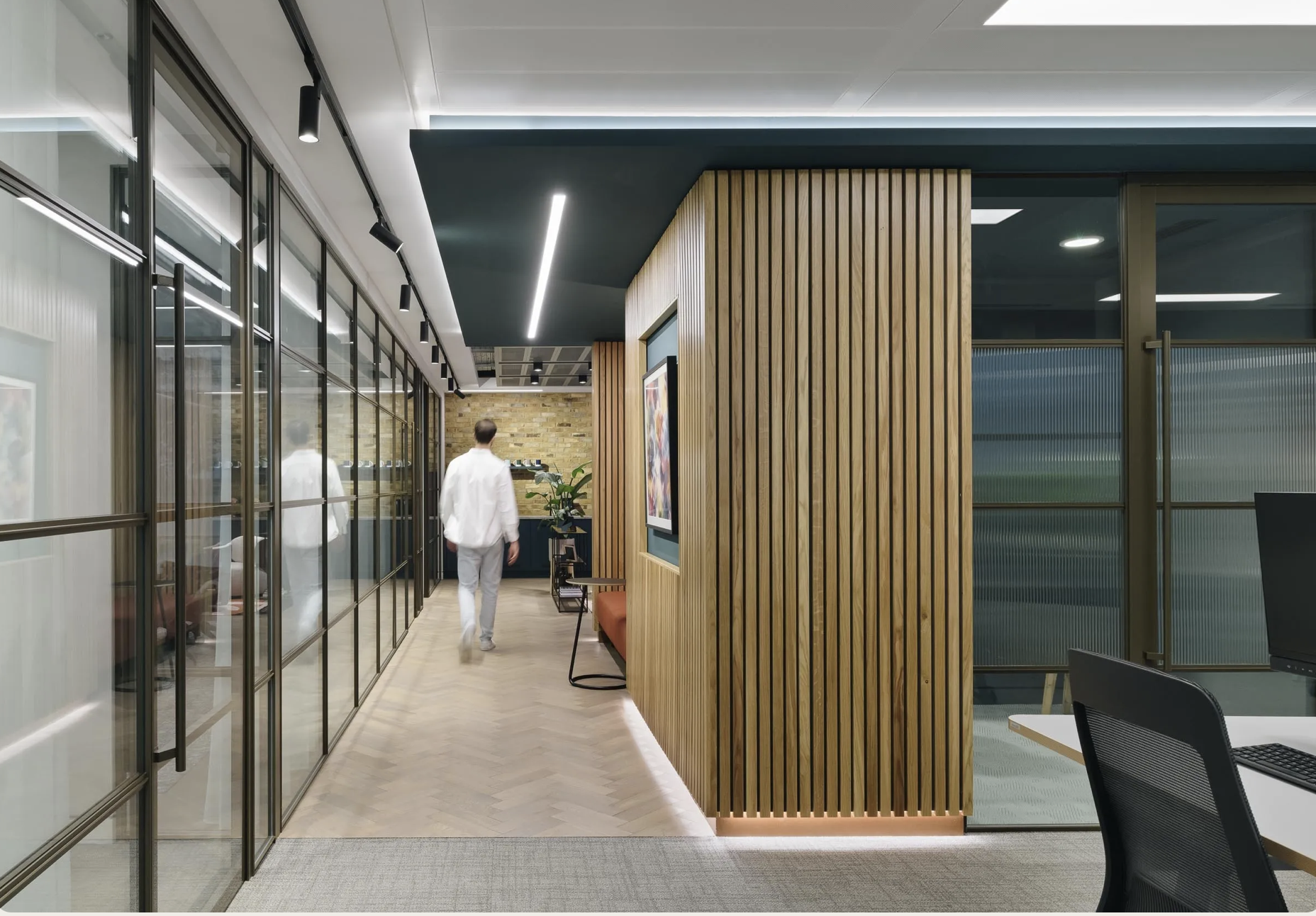
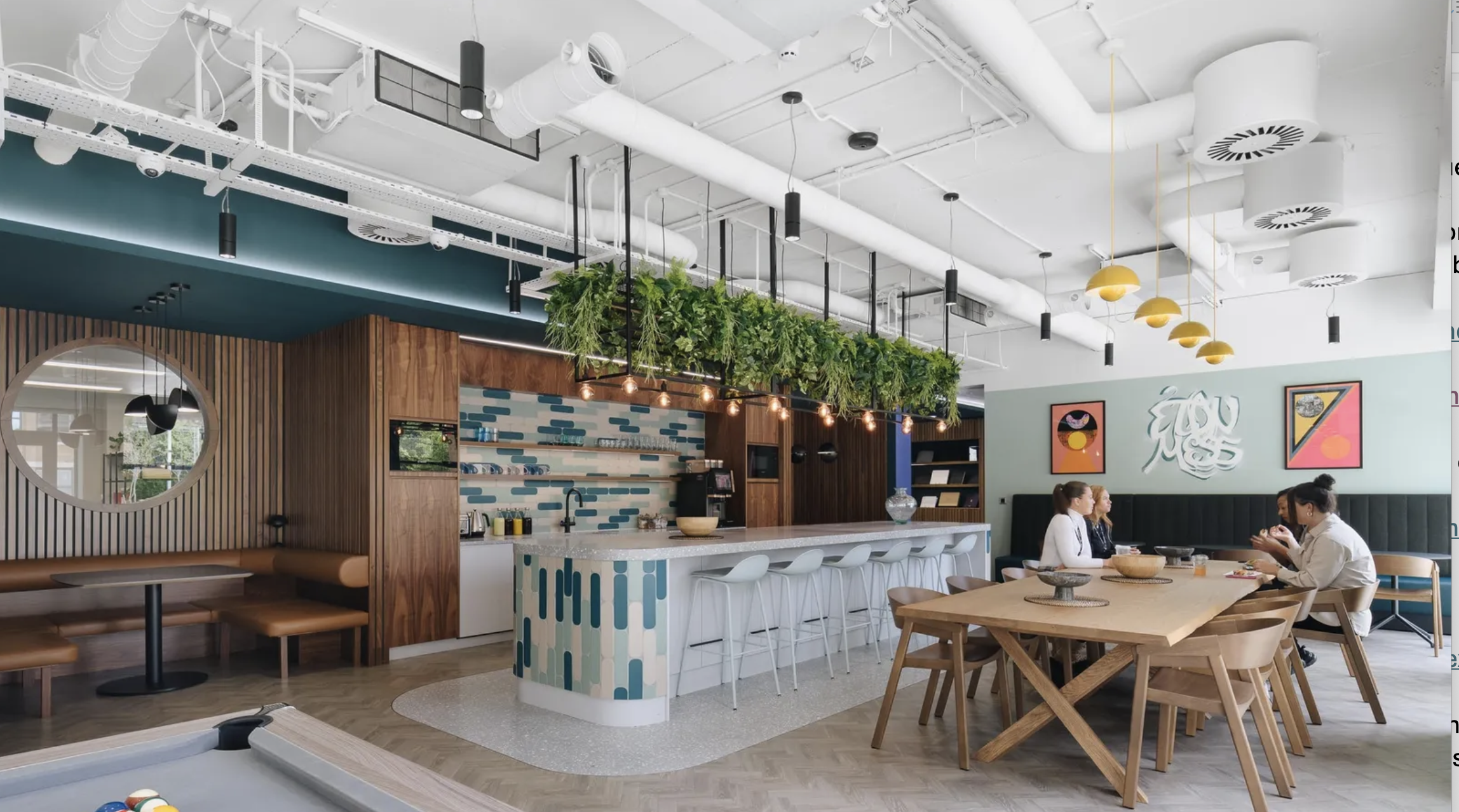
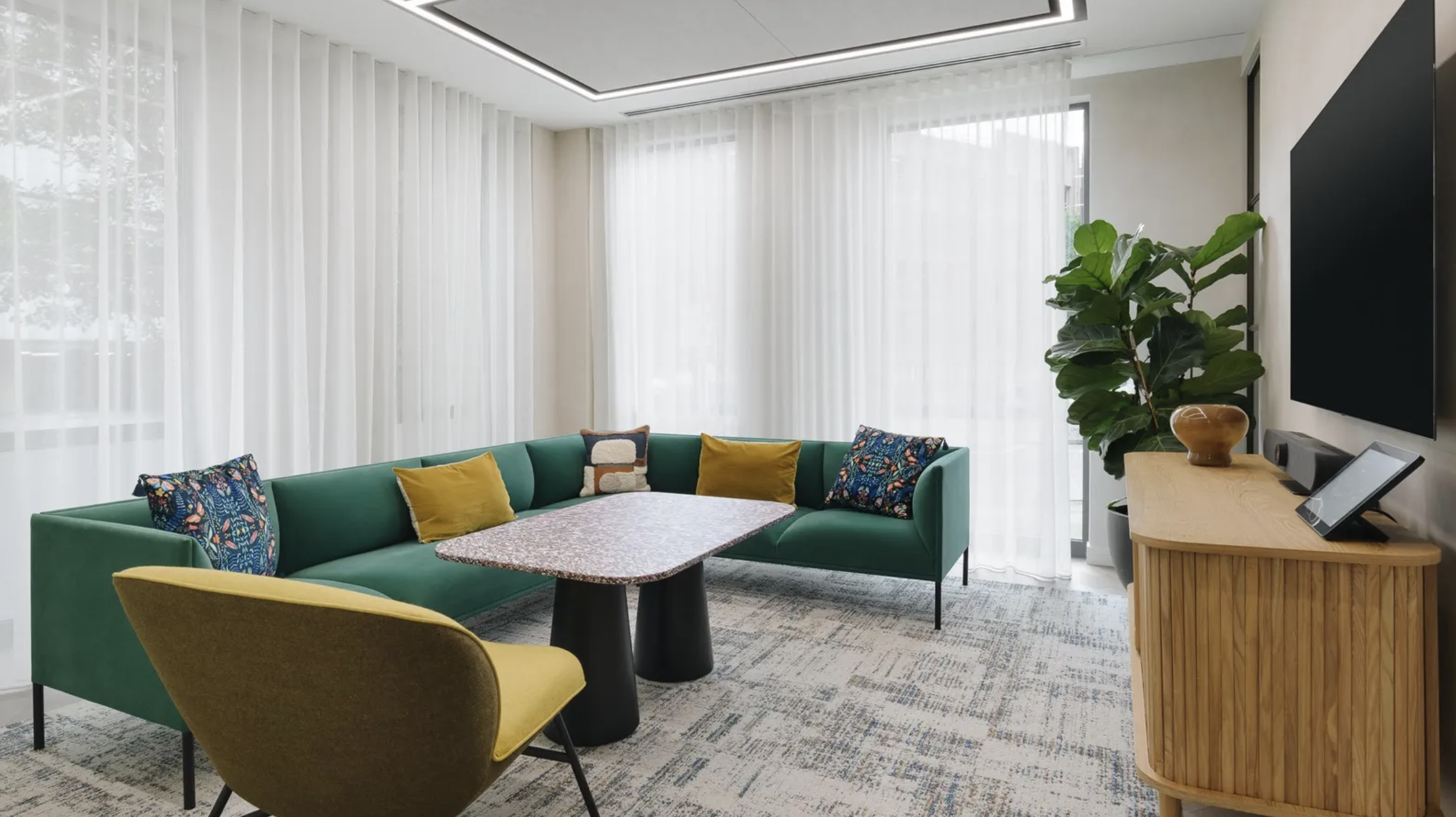
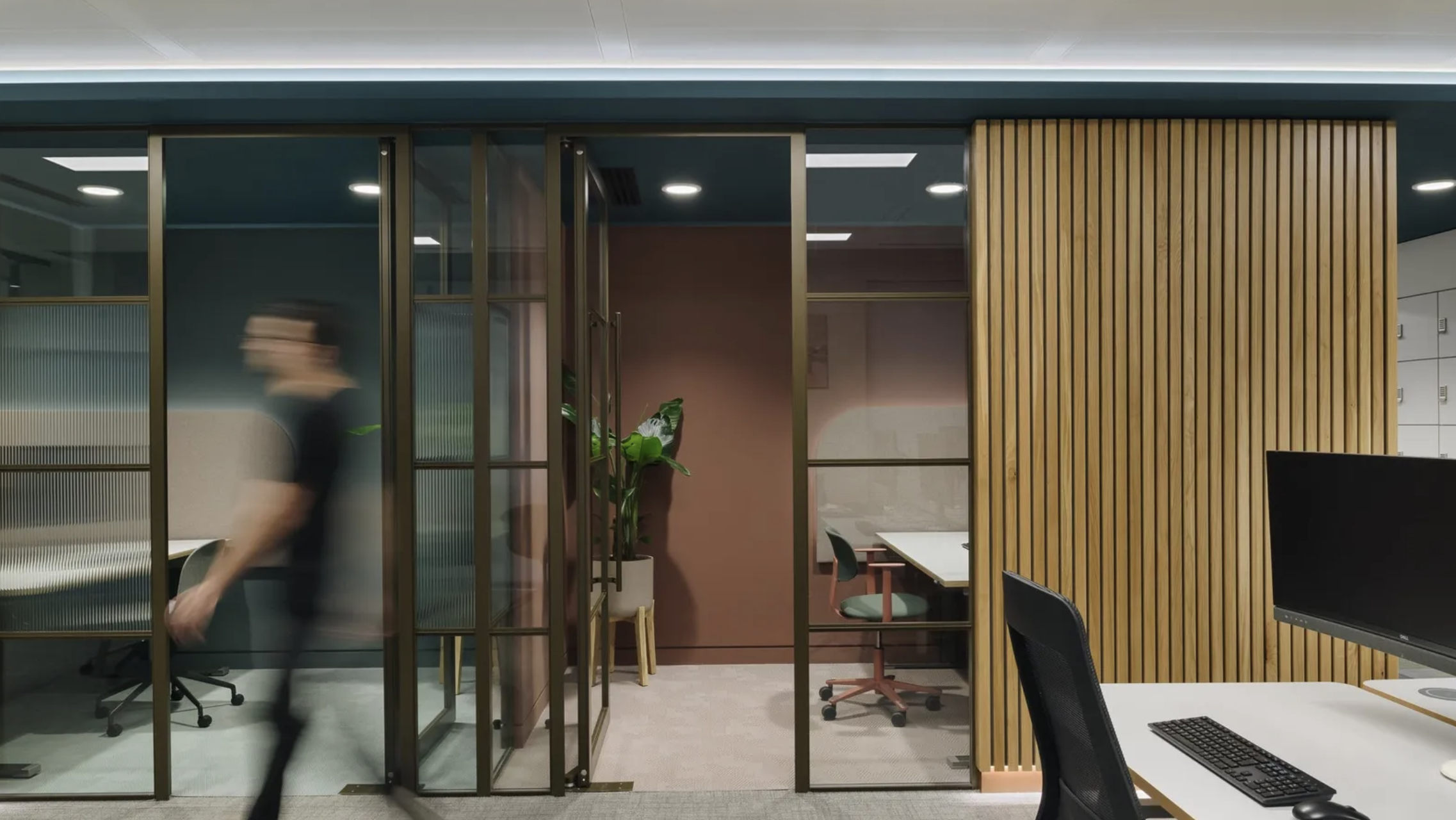
To find out more about the places Enrique talks about in this podcast visit:
Case studies for Area’s offices in both London and Windsor, where you can read a bit about the design approach and sustainability aspects:
https://area.co.uk/case-studies/area-london and https://area.co.uk/case-studies/area-windsor
And the plasterboard alternative that his client suggested for a project:
https://adaptavate.com/products/breathaboard
Ise Shrine in Japan: https://www.isejingu.or.jp/en/about/index.html#history
You can see what Enrique talked about in terms of preserving the craft as opposed to the original materials, as well as the forest surrounding the shrine, here:
https://www.worldhistory.org/Ise_Grand_Shrine
Photos featured copyright Henry Woide.
Have you got a copy of the Journal? You can now subscribe as a member of the Journal of Biophilic Design or purchase a gorgeous coffee table reference copy or PDF download of the Journal journalofbiophilicdesign.comor Amazon and Kindle.
Book tickets and join us in PERSON and LIVE STREAMED Biophilic Design Conferencewww.biophilicdesignconference.com
Credits: with thanks to George Harvey Audio Production for the calming biophilic soundscape that backs all of our podcasts.
Listen to our podcast on Audible, Amazon Music, Spotify, iTunes, YouTube and all the RSS feeds.
https://www.facebook.com/journalofbiophilicdesign/
https://twitter.com/JofBiophilicDsn
https://www.linkedin.com/company/journalofbiophilicdesign/
https://www.instagram.com/journalofbiophilicdesign
If you like this,please subscribe!